
-
Performance Fermented Yeast Protein with Ultrasorb Tech | Cold Coffee | 6 kg
Regular price ₹10,999Sale price ₹10,999 Regular priceUnit price per₹15,99931% OFFSave 31%Sale -
Performance Fermented Yeast Protein with Ultrasorb Tech | Cold Coffee | 4 kg
Regular price ₹8,499Sale price ₹8,499 Regular priceUnit price per₹11,39925% OFFSave 25%Sale -
Performance Fermented Yeast Protein with Ultrasorb Tech | Cold Coffee | 1 kg
Regular price ₹2,299Sale price ₹2,299 Regular priceUnit price per₹2,99923% OFFSave 23%Sale -
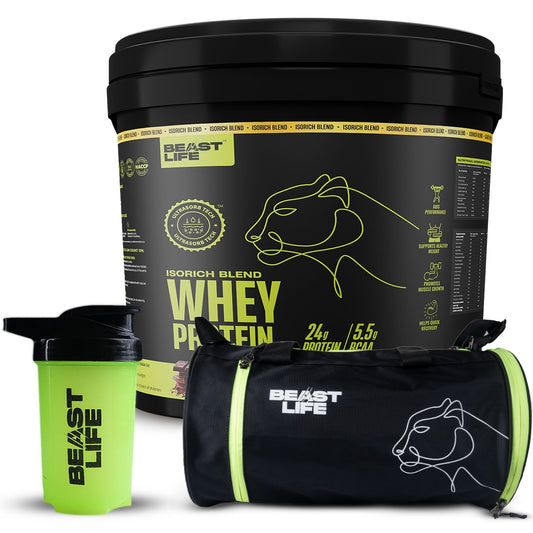 Chocolate | 3.696Kg
Isorich Blend Whey Protein with Ultrasorb Tech | Chocolate | Free Gym Bag and Shaker | 3.696 kg
Regular price ₹15,713Sale price ₹15,713 Regular priceUnit price per₹19,59619% OFFSave 19%Sale -
Performance Fermented Yeast Protein with Ultrasorb Tech | Cold Coffee | 2 kg
Regular price ₹4,398Sale price ₹4,398 Regular priceUnit price per₹5,79924% OFFSave 24%Sale -
Performance Fermented Yeast Protein with Ultrasorb Tech | Chocolate | 4 kg
Regular price ₹8,499Sale price ₹8,499 Regular priceUnit price per₹10,19916% OFFSave 16%Sale -
 Cookies & Cream | 4kg
Performance Fermented Yeast Protein with Ultrasorb Tech | Cookies & Cream | 4 kg
Regular price ₹8,499Sale price ₹8,499 Regular priceUnit price per₹11,39925% OFFSave 25%Sale -
Performance Fermented Yeast Protein with Ultrasorb Tech | Mango | 1 kg
Regular price ₹2,299Sale price ₹2,299 Regular priceUnit price per₹2,99923% OFFSave 23%Sale -
Performance Fermented Yeast Protein with Ultrasorb Tech | Malai Kulfi | 2 kg
Regular price ₹4,398Sale price ₹4,398 Regular priceUnit price per₹5,79924% OFFSave 24%Sale -
Performance Fermented Yeast Protein with Ultrasorb Tech | Chocolate | 2 kg
Regular price ₹4,398Sale price ₹4,398 Regular priceUnit price per₹5,19915% OFFSave 15%Sale -
 Cookies & Cream | 2kg
Performance Fermented Yeast Protein with Ultrasorb Tech | Cookies & Cream | 2 kg
Regular price ₹4,398Sale price ₹4,398 Regular priceUnit price per₹5,79924% OFFSave 24%Sale -
Performance Fermented Yeast Protein with Ultrasorb Tech | Mango | 4 kg
Regular price ₹8,499Sale price ₹8,499 Regular priceUnit price per₹11,39925% OFFSave 25%Sale -
 Rich Chocolate | 1.848 kg
Pro Concentrate Whey Protein with Ultrasorb Tech | Rich Chocolate | 1.848 kg
Regular price ₹6,698Sale price ₹6,698 Regular priceUnit price per₹7,79814% OFFSave 14%Sale -
Performance Fermented Yeast Protein with Ultrasorb Tech | Malai Kulfi | 4 kg
Regular price ₹8,499Sale price ₹8,499 Regular priceUnit price per₹11,39925% OFFSave 25%Sale -
Shake & Gain Combo
Regular price ₹3,814Sale price ₹3,814 Regular priceUnit price per₹3,698-4% OFFSave -4% -
Isorich Blend Whey Protein with Ultrasorb Tech | Coffee | 924 g
Regular price ₹3,999Sale price ₹3,999 Regular priceUnit price per₹4,99920% OFFSave 20%Sale -
Pro Concentrate Whey Protein with Ultrasorb Tech | Malai Kulfi | 924 g
Regular price ₹3,499Sale price ₹3,499 Regular priceUnit price per₹3,99912% OFFSave 12%Sale -
Pro Concentrate Whey Protein with Ultrasorb Tech | Mango | 1.848 kg
Regular price ₹6,698Sale price ₹6,698 Regular priceUnit price per₹7,79814% OFFSave 14%Sale -
Pro Concentrate Whey Protein with Ultrasorb Tech | Rich Chocolate | 924 g
Regular price ₹3,499Sale price ₹3,499 Regular priceUnit price per₹3,99912% OFFSave 12%Sale -
 Performance Protein | Pack Of 5
Performance Fermented Yeast Protein with Ultrasorb Tech | Chocolate | Pack of 5
Regular price ₹699Sale price ₹699 Regular priceUnit price per₹79912% OFFSave 12%Sale -
Performance Fermented Yeast Protein with Ultrasorb Tech | Birthday Cake | 1 kg
Regular price ₹2,299Sale price ₹2,299 Regular priceUnit price per₹2,99923% OFFSave 23%Sale -
Performance Fermented Yeast Protein with Ultrasorb Tech | Thandai | 1 kg
Regular price ₹2,299Sale price ₹2,299 Regular priceUnit price per₹2,99923% OFFSave 23%Sale -
Performance Protein | Value Pack | Chocolate | 3 kg
Regular price ₹6,897Sale price ₹6,897 Regular priceUnit price per₹8,00713% OFFSave 13%Sale -
Performance Fermented Yeast Protein with Ultrasorb Tech | Malai Kulfi | 1 kg
Regular price ₹2,299Sale price ₹2,299 Regular priceUnit price per₹2,99923% OFFSave 23%Sale -
 Cookies & Cream | 1kg
Performance Fermented Yeast Protein with Ultrasorb Tech | Cookies & Cream | 1 kg
Regular price ₹2,299Sale price ₹2,299 Regular priceUnit price per₹2,99923% OFFSave 23%Sale -
Gym Essentials Combo | Performance Protein Chocolate Flavour + Neon Shaker
Regular price ₹2,614Sale price ₹2,614 Regular priceUnit price per₹3,16817% OFFSave 17%Sale -
Performance Protein | Value Pack | Chocolate | 2 kg
Regular price ₹4,398Sale price ₹4,398 Regular priceUnit price per₹5,99826% OFFSave 26%Sale -
Power Stack | Performance Protein with Creatine & Neon Shaker
Regular price ₹3,063Sale price ₹3,063 Regular priceUnit price per₹3,83420% OFFSave 20%Sale -
Muscle Power Combo | Performance Protein Chocolate Flavour + Creatine
Regular price ₹2,748Sale price ₹2,748 Regular priceUnit price per₹3,33517% OFFSave 17%Sale -
Pro Concentrate Whey Protein with Ultrasorb Tech | Mango | 3.696 kg
Regular price ₹12,799Sale price ₹12,799 Regular priceUnit price per₹15,59617% OFFSave 17%Sale -
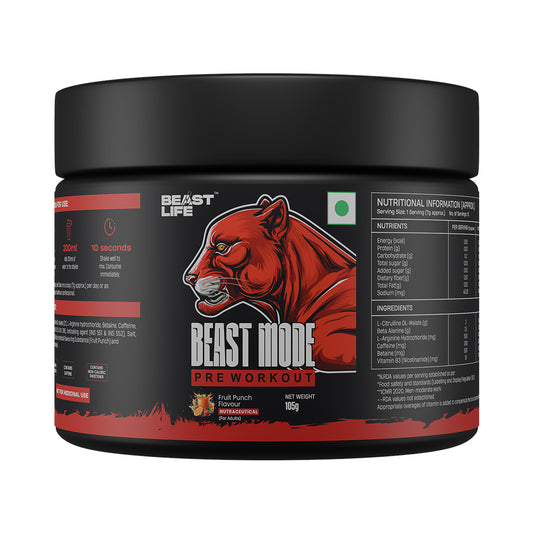
Beastmode Preworkout | Fruit Punch | New Formulation
Regular price ₹499Sale price ₹499 Regular priceUnit price per₹79937% OFFSave 37%Sold out -
Performance Fermented Yeast Protein with Ultrasorb Tech | Chocolate | 1 kg
Regular price ₹2,299Sale price ₹2,299 Regular priceUnit price per₹2,66913% OFFSave 13%Sale -
Performance Fermented Yeast Protein with Ultrasorb Tech | Chocolate | 500 g
Regular price ₹1,199Sale price ₹1,199 Regular priceUnit price per₹1,42315% OFFSave 15%Sale -
ROTI Protein Mix | 250 g
3-5 roti per serving
Regular price ₹525Sale price ₹525 Regular priceUnit price per₹84437% OFFSave 37%Sale -
Pro Concentrate Whey Protein with Ultrasorb Tech | Strawberry | 924 g
Regular price ₹3,499Sale price ₹3,499 Regular priceUnit price per₹3,99912% OFFSave 12%Sale -
Isorich Blend Whey Protein with Ultrasorb Tech | Chocolate | 3.696 kg
Regular price ₹14,799Sale price ₹14,799 Regular priceUnit price per₹19,59624% OFFSave 24%Sale -
Pro Concentrate Whey Protein with Ultrasorb Tech | Rose | 924 g
Regular price ₹3,499Sale price ₹3,499 Regular priceUnit price per₹3,99912% OFFSave 12%Sale -
Pro Concentrate Whey Protein with Ultrasorb Tech | Rich Chocolate | 3.696 kg
Regular price ₹12,799Sale price ₹12,799 Regular priceUnit price per₹15,59617% OFFSave 17%Sale -
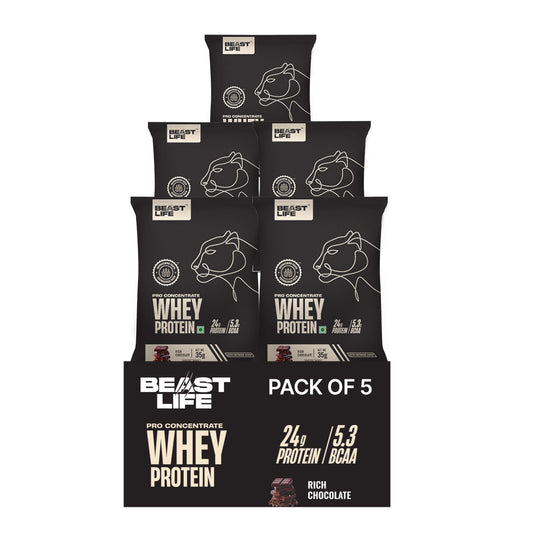
Pro Whey Protein | Rich Chocolate | Pack of 5 Sachets
Regular price ₹599Sale price ₹599 Regular priceUnit price per₹99940% OFFSave 40%Sale -
ROTI Protein Mix | ROTI 2.0 | 1 kg
3-5 roti per serving
Regular price ₹1,473Sale price ₹1,473 Regular priceUnit price per₹2,66944% OFFSave 44%Sale -
ROTI Protein Mix | ROTI 2.0 | 500 g
3-5 roti per serving
Regular price ₹1,052Sale price ₹1,052 Regular priceUnit price per₹1,60134% OFFSave 34%Sale -
Isorich Blend Whey Protein with Ultrasorb Tech | Vanilla | 924 g
Regular price ₹3,999Sale price ₹3,999 Regular priceUnit price per₹4,99920% OFFSave 20%Sale -
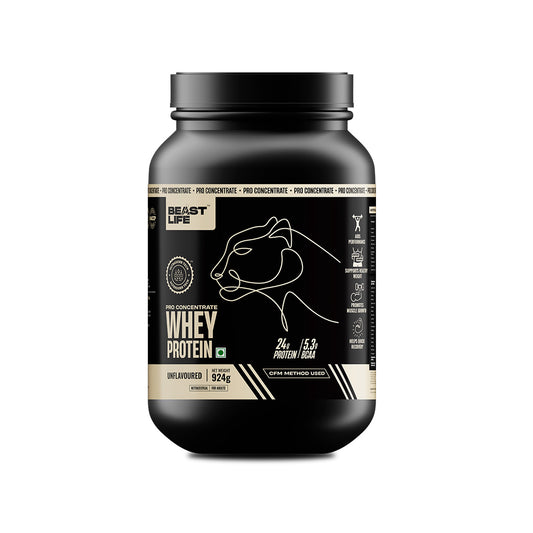
Pro Whey Protein with Ultrasorb Tech | Unflavoured | 924 g
Regular price ₹3,499Sale price ₹3,499 Regular priceUnit price per₹3,4990% OFFSave 0% -
Isorich Blend Whey Protein with Ultrasorb Tech | Chocolate | 924 g
Regular price ₹3,999Sale price ₹3,999 Regular priceUnit price per₹4,99920% OFFSave 20%Sale -
Performance Fermented Yeast Protein with Ultrasorb Tech | Chocolate | 6 kg
Regular price ₹10,999Sale price ₹10,999 Regular priceUnit price per₹14,99926% OFFSave 26%Sale -
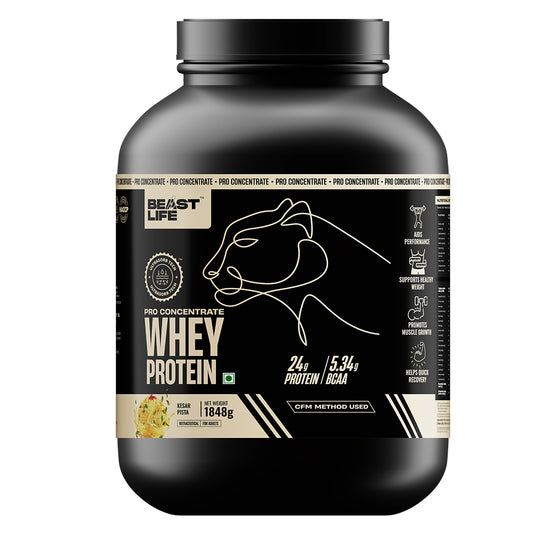 Sold outKesar Pista | 1.848 kg
Pro Concentrate Whey Protein with Ultrasorb Tech | Kesar Pista with Real Pista Flakes | 1.848 kg
Regular price ₹6,698Sale price ₹6,698 Regular priceUnit price per₹7,79814% OFFSave 14%Sold out -
The Pro Performance Stack
Regular price ₹8,297Sale price ₹8,297 Regular priceUnit price per₹11,13225% OFFSave 25%Sale -
 Sold out
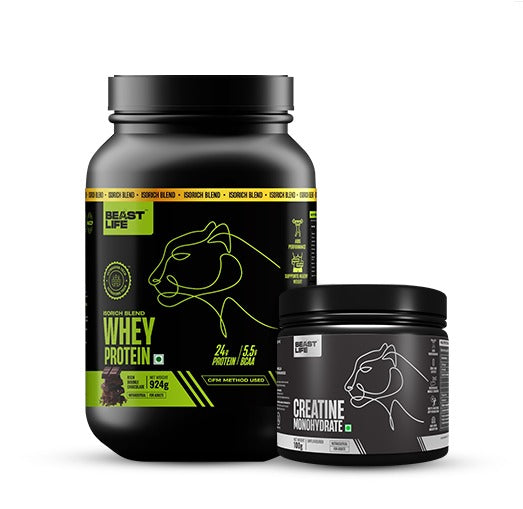
The Extreme Power Combo
Regular price ₹4,448Sale price ₹4,448 Regular priceUnit price per₹5,66521% OFFSave 21%Sold out








Train Smarter, Not Just Harder: Best Whey Protein for Muscle Gain by Training Phase
Most people pick a whey protein product once and use it identically through every training block for months. This approach works up to a point and then stops delivering. The best whey protein for muscle gain is not a permanent product decision but a choice that should be reviewed as your training goal, calorie target, and experience level change. A beginner in a muscle-building phase has entirely different protein demands than an intermediate athlete prioritising lean mass retention during a fat loss phase. Understanding how protein requirements shift across training cycles allows you to make a more informed selection and get more from every serving you consume.
Why One Product Does Not Serve Every Training Phase
The ISSN confirms that protein requirements for muscle development range from 1.6 to 2.2g per kilogram of body weight per day for resistance-trained individuals. Within that range, the format you choose, whether concentrate, isolate, or hydrolysate, changes the calorie cost, absorption rate, and practical fit of each serving across different phases.
Matching protein format to training phase is not overcomplication. It is the difference between a supplement that fits your current nutritional framework and one that works against it.
Phase 1: The Muscle-Building Block
What Your Body Needs and Why
In a dedicated building phase, you are training with progressive overload, eating at a caloric surplus, and prioritising recovery. Protein intake should sit at the upper range of recommendations, between 1.8 and 2.2g per kg daily, to ensure consistent amino acid availability for muscle protein synthesis across the full day.
Whey protein concentrate is the most practical format here. Its naturally occurring fat and carbohydrate content add to your calorie intake without requiring additional food at every meal. A concentrate shake with whole milk delivers 280 to 320 calories at 30 to 35g of protein, which is efficient for hard gainers who struggle to eat enough total food.
Building phase protein practices:
- Distribute protein across four to five meals per day rather than two large doses
- Take one serving post-workout within one to two hours of resistance training
- Target at least 2.5 to 3g of leucine per serving, the research-backed threshold for activating muscle protein synthesis
- Prioritise food protein sources for the majority of daily intake and use whey protein to fill the gap
Explore the best whey protein for muscle gain collection for concentrate and isolate options suited to this phase.
Phase 2: The Lean Mass and Recomposition Phase
When Calorie Precision Becomes More Important Than Calorie Volume
Once a building phase is complete, many athletes shift to reducing body fat while preserving lean muscle. This is where the product choice matters most. Whey isolate becomes the more strategic format because it delivers 85 to 90 percent protein per serving at significantly lower fat and carbohydrate content than concentrate.
Per 30g serving with water, a quality isolate typically provides 110 to 120 calories at 25 to 27g of protein. This allows you to maintain a high protein intake while keeping total calories in a deficit, which is the defining nutritional challenge of a recomposition phase.
Recomposition protein practices:
- Increase protein intake to 2.0 to 2.4g per kg to protect lean tissue during a caloric deficit
- Use isolate post-workout and in the morning when a lean, fast-absorbing protein source is most strategically appropriate
- Avoid high-calorie shake additions such as whole milk during this phase when calorie control is the priority
- Keep protein consistent across both training and rest days to support continuous recovery
The whey protein isolate 1kg range provides a practical starting format for athletes transitioning into a recomposition phase.
Phase 3: The Strength and Performance Phase
Adjusting When Size Is Not the Primary Goal
Athletes focused on maximal strength, power output, or athletic performance rather than physique goals still require adequate protein, but total intake requirements are slightly lower than during a hypertrophy phase. Research supports 1.6 to 1.8g per kg daily as sufficient for most strength-focused athletes outside of a mass-building block.
In this phase, protein timing around training sessions becomes more critical relative to total daily intake. Post-workout protein delivery supports recovery between high-intensity sessions, and athletes training twice daily may benefit from a serving before and after training.
Hydrolysate formats provide the fastest amino acid delivery of the three types but come at a higher cost per serving. For athletes who compete across multiple days or train at high frequency, this added absorption speed offers a practical benefit.
What Stays Constant Across Every Phase
Regardless of which phase you are in, three quality markers should always be present:
- Full amino acid profile disclosed per serving, including leucine content
- FSSAI license number present on the packaging
- No proprietary blends that hide individual ingredient quantities
For individuals in a building phase who also need to manage total daily calorie intake carefully, the whey protein for weight gain collection includes options suited to higher-calorie supplementation frameworks. For a complete view of formats and pack sizes across all phases, the beast whey protein range covers concentrate and isolate options under a single brand umbrella.
Frequently Asked Questions
Q1: Should I switch whey protein products when moving from a building phase to a cutting phase?
Switching from concentrate to isolate when entering a calorie-controlled phase is a practical decision. Isolate provides more protein per calorie consumed, which makes it easier to hit protein targets without overshooting calorie goals.
Q2: How long should each training phase last?
Most structured training programmes run phases of eight to twelve weeks. This timeframe is long enough to create measurable adaptation while preventing training stagnation.
Q3: Does protein timing matter more in some phases than others?
Post-workout timing is most important during high-volume building phases when muscle protein synthesis demand is highest. During strength and maintenance phases, total daily protein consistency across meals is the more significant variable.
Q4: Can I stay in a building phase year-round?
Prolonged caloric surplus without periodic reassessment increases the rate of fat accumulation alongside muscle. Periodising between building and leaning phases generally produces better long-term body composition outcomes.
Q5: Is hydrolysate worth the extra cost for muscle gain?
For most recreational athletes, isolate provides sufficient amino acid delivery for muscle development. Hydrolysate is most practically useful for athletes training at high frequency or competing across multiple consecutive days.
Q6: Does protein type affect leucine content per gram?
Leucine content per gram of actual protein is broadly similar across concentrate, isolate, and hydrolysate because all three originate from whey. The practical difference is in how much total protein you get per serving and the calorie cost of that serving.


