
-
Performance Fermented Yeast Protein with Ultrasorb Tech | Cold Coffee | 6 kg
Regular price ₹10,999Sale price ₹10,999 Regular priceUnit price per₹15,99931% OFFSave 31%Sale -
Performance Fermented Yeast Protein with Ultrasorb Tech | Cold Coffee | 4 kg
Regular price ₹8,099Sale price ₹8,099 Regular priceUnit price per₹11,39928% OFFSave 28%Sale -
Performance Fermented Yeast Protein with Ultrasorb Tech | Cold Coffee | 1 kg
Regular price ₹2,399Sale price ₹2,399 Regular priceUnit price per₹2,99920% OFFSave 20%Sale -
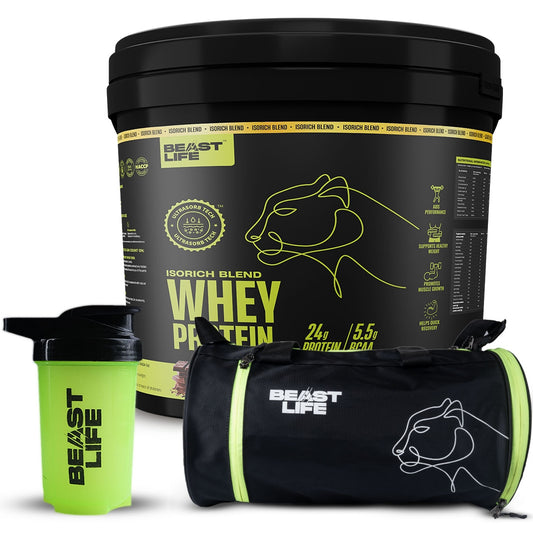 Chocolate | 3.696Kg
Isorich Blend Whey Protein with Ultrasorb Tech | Chocolate | Free Gym Bag and Shaker | 3.696 kg
Regular price ₹21,299Sale price ₹21,299 Regular priceUnit price per₹33,29436% OFFSave 36%Sale -
Performance Fermented Yeast Protein with Ultrasorb Tech | Cold Coffee | 2 kg
Regular price ₹4,499Sale price ₹4,499 Regular priceUnit price per₹5,79922% OFFSave 22%Sale -
Performance Fermented Yeast Protein with Ultrasorb Tech | Chocolate | 4 kg
Regular price ₹8,099Sale price ₹8,099 Regular priceUnit price per₹10,19920% OFFSave 20%Sale -
 Cookies & Cream | 4kg
Performance Fermented Yeast Protein with Ultrasorb Tech | Cookies & Cream | 4 kg
Regular price ₹8,099Sale price ₹8,099 Regular priceUnit price per₹11,39928% OFFSave 28%Sale -
Performance Fermented Yeast Protein with Ultrasorb Tech | Mango | 1 kg
Regular price ₹2,399Sale price ₹2,399 Regular priceUnit price per₹2,99920% OFFSave 20%Sale -
Performance Fermented Yeast Protein with Ultrasorb Tech | Malai Kulfi | 2 kg
Regular price ₹4,499Sale price ₹4,499 Regular priceUnit price per₹5,79922% OFFSave 22%Sale -
Performance Fermented Yeast Protein with Ultrasorb Tech | Chocolate | 2 kg
Regular price ₹4,499Sale price ₹4,499 Regular priceUnit price per₹5,19913% OFFSave 13%Sale -
 Cookies & Cream | 2kg
Performance Fermented Yeast Protein with Ultrasorb Tech | Cookies & Cream | 2 kg
Regular price ₹4,499Sale price ₹4,499 Regular priceUnit price per₹5,79922% OFFSave 22%Sale -
Performance Fermented Yeast Protein with Ultrasorb Tech | Mango | 4 kg
Regular price ₹8,099Sale price ₹8,099 Regular priceUnit price per₹11,39928% OFFSave 28%Sale -
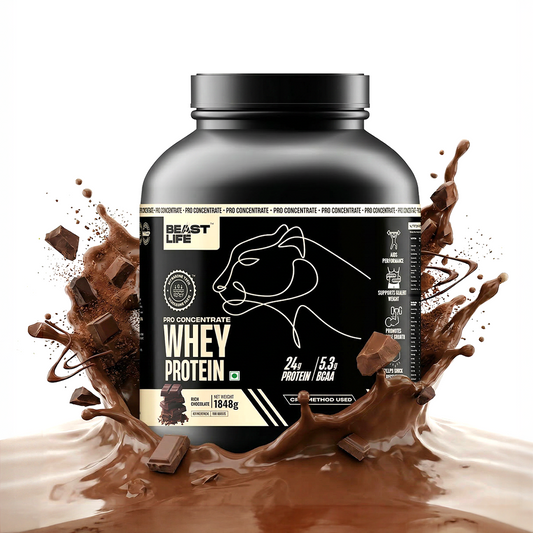 Rich Chocolate | 1.848 kg
Pro Concentrate Whey Protein with Ultrasorb Tech | Rich Chocolate | 1.848 kg
Regular price ₹9,999Sale price ₹9,999 Regular priceUnit price per₹11,99816% OFFSave 16%Sold out -
Performance Fermented Yeast Protein with Ultrasorb Tech | Malai Kulfi | 4 kg
Regular price ₹8,099Sale price ₹8,099 Regular priceUnit price per₹11,39928% OFFSave 28%Sale -
Shake & Gain Combo
Regular price ₹5,999Sale price ₹5,999 Regular priceUnit price per₹6,4987% OFFSave 7%Sale -
Isorich Blend Whey Protein with Ultrasorb Tech | Coffee | 924 g
Regular price ₹5,999Sale price ₹5,999 Regular priceUnit price per₹7,99925% OFFSave 25%Sold out -
Pro Concentrate Whey Protein with Ultrasorb Tech | Malai Kulfi | 924 g
Regular price ₹4,999Sale price ₹4,999 Regular priceUnit price per₹5,99916% OFFSave 16%Sale -
Pro Concentrate Whey Protein with Ultrasorb Tech | Mango | 1.848 kg
Regular price ₹9,999Sale price ₹9,999 Regular priceUnit price per₹11,99816% OFFSave 16%Sold out -
Pro Concentrate Whey Protein with Ultrasorb Tech | Rich Chocolate | 924 g
Regular price ₹4,999Sale price ₹4,999 Regular priceUnit price per₹5,99916% OFFSave 16%Sale -
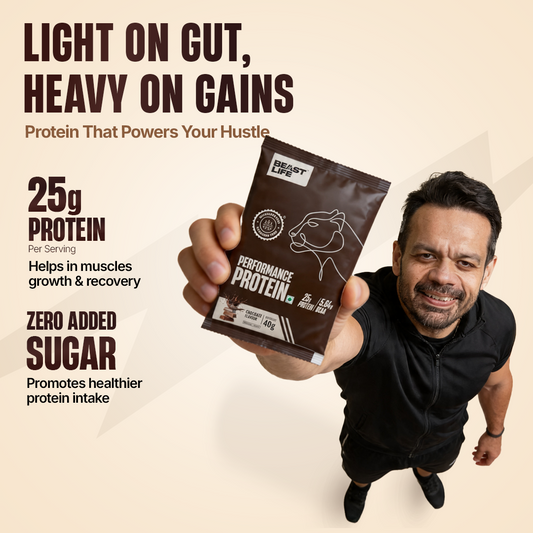 Performance Protein | Pack Of 5
Performance Fermented Yeast Protein with Ultrasorb Tech | Chocolate | Pack of 5
Regular price ₹699Sale price ₹699 Regular priceUnit price per₹79912% OFFSave 12%Sale -
 Birthday Cake | 1 kg
Performance Fermented Yeast Protein with Ultrasorb Tech | Birthday Cake | 1 kg
Regular price ₹2,399Sale price ₹2,399 Regular priceUnit price per₹2,99920% OFFSave 20%Sold out -
Performance Fermented Yeast Protein with Ultrasorb Tech | Thandai | 1 kg
Regular price ₹2,399Sale price ₹2,399 Regular priceUnit price per₹2,99920% OFFSave 20%Sale -
Performance Protein | Value Pack | Chocolate | 3 kg
Regular price ₹7,197Sale price ₹7,197 Regular priceUnit price per₹8,00710% OFFSave 10%Sale -
Performance Fermented Yeast Protein with Ultrasorb Tech | Malai Kulfi | 1 kg
Regular price ₹2,399Sale price ₹2,399 Regular priceUnit price per₹2,99920% OFFSave 20%Sale -
 Cookies & Cream | 1kg
Performance Fermented Yeast Protein with Ultrasorb Tech | Cookies & Cream | 1 kg
Regular price ₹2,399Sale price ₹2,399 Regular priceUnit price per₹2,99920% OFFSave 20%Sale -
Gym Essentials Combo | Performance Protein Chocolate Flavour + Neon Shaker
Regular price ₹2,499Sale price ₹2,499 Regular priceUnit price per₹3,16821% OFFSave 21%Sale -
Performance Protein | Value Pack | Chocolate | 2 kg
Regular price ₹4,798Sale price ₹4,798 Regular priceUnit price per₹5,99820% OFFSave 20%Sale -
Power Stack | Performance Protein with Creatine & Neon Shaker
Regular price ₹2,599Sale price ₹2,599 Regular priceUnit price per₹3,83432% OFFSave 32%Sale -
Muscle Power Combo | Performance Protein Chocolate Flavour + Creatine
Regular price ₹2,499Sale price ₹2,499 Regular priceUnit price per₹3,33525% OFFSave 25%Sale -
Pro Concentrate Whey Protein with Ultrasorb Tech | Mango | 3.696 kg
Regular price ₹19,999Sale price ₹19,999 Regular priceUnit price per₹23,99616% OFFSave 16%Sold out -
Pre Workout | Beta Alanine • Caffeine • Zero Crash | Fruit Punch | 105g
Regular price ₹499Sale price ₹499 Regular priceUnit price per₹79937% OFFSave 37%Sale -
Performance Fermented Yeast Protein with Ultrasorb Tech | Chocolate | 1 kg
Regular price ₹2,399Sale price ₹2,399 Regular priceUnit price per₹2,66910% OFFSave 10%Sale -
Performance Fermented Yeast Protein with Ultrasorb Tech | Chocolate | 500 g
Regular price ₹1,599Sale price ₹1,599 Regular priceUnit price per₹1,599Save 1% -
Pro Concentrate Whey Protein with Ultrasorb Tech | Strawberry | 924 g
Regular price ₹4,999Sale price ₹4,999 Regular priceUnit price per₹5,99916% OFFSave 16%Sold out -
Isorich Blend Whey Protein with Ultrasorb Tech | Chocolate | 3.696 kg
Regular price ₹20,999Sale price ₹20,999 Regular priceUnit price per₹31,99634% OFFSave 34%Sale -
Pro Concentrate Whey Protein with Ultrasorb Tech | Rose | 924 g
Regular price ₹4,999Sale price ₹4,999 Regular priceUnit price per₹5,99916% OFFSave 16%Sold out -
Pro Concentrate Whey Protein with Ultrasorb Tech | Rich Chocolate | 3.696 kg
Regular price ₹19,999Sale price ₹19,999 Regular priceUnit price per₹23,99616% OFFSave 16%Sale -
Pro Whey Protein | Rich Chocolate | Pack of 5 Sachets
Regular price ₹1,199Sale price ₹1,199 Regular priceUnit price per₹1,199Save 1%Sold out -
Isorich Blend Whey Protein with Ultrasorb Tech | Vanilla | 924 g
Regular price ₹5,999Sale price ₹5,999 Regular priceUnit price per₹7,99925% OFFSave 25%Sale -
Pro Whey Protein with Ultrasorb Tech | Unflavoured | 924 g
Regular price ₹5,999Sale price ₹5,999 Regular priceUnit price per₹5,999Save 1%Sold out -
Isorich Blend Whey Protein with Ultrasorb Tech | Chocolate | 924 g
Regular price ₹5,999Sale price ₹5,999 Regular priceUnit price per₹7,99925% OFFSave 25%Sale -
Performance Fermented Yeast Protein with Ultrasorb Tech | Chocolate | 6 kg
Regular price ₹10,999Sale price ₹10,999 Regular priceUnit price per₹14,99926% OFFSave 26%Sale -
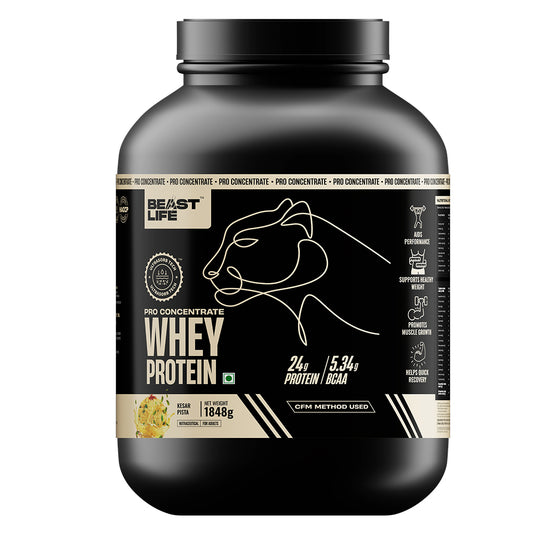 Sold outKesar Pista | 1.848 kg
Pro Concentrate Whey Protein with Ultrasorb Tech | Kesar Pista with Real Pista Flakes | 1.848 kg
Regular price ₹7,749Sale price ₹7,749 Regular priceUnit price per₹7,7981% OFFSave 1%Sold out -
 Sold out
The Pro Performance Stack
Regular price ₹12,098Sale price ₹12,098 Regular priceUnit price per₹17,33230% OFFSave 30%Sold out -
The Extreme Power Combo
Regular price ₹6,498Sale price ₹6,498 Regular priceUnit price per₹8,66525% OFFSave 25%Sale -
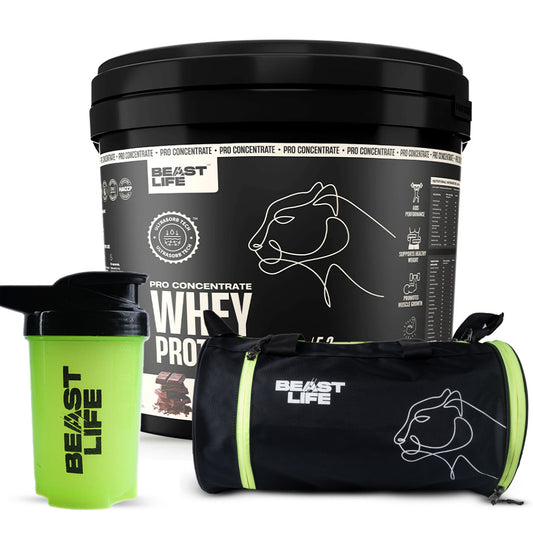 Rich Chocolate 3696g)
Pro Concentrate Whey Protein with Ultrasorb Tech | Rich Chocolate | Free Gym Bag and Shaker | 3.696 kg
Regular price ₹20,299Sale price ₹20,299 Regular priceUnit price per₹25,29419% OFFSave 19%Sale -
Pro Concentrate Whey Protein with Ultrasorb Tech | Butterscotch | 924 g
Regular price ₹4,999Sale price ₹4,999 Regular priceUnit price per₹5,99916% OFFSave 16%Sale -
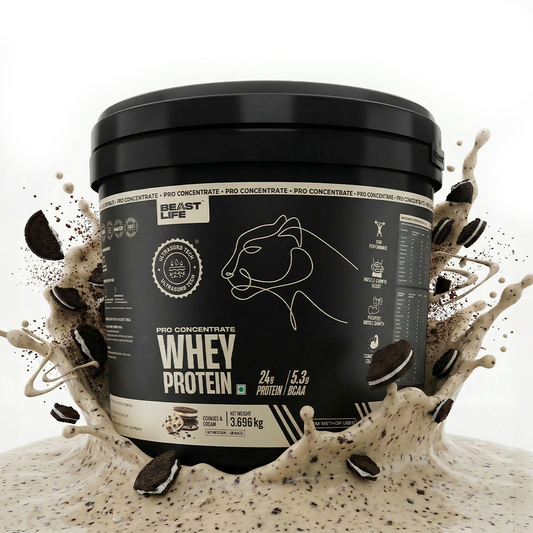 Cookies & Cream 3696g
Pro Concentrate Whey Protein with Ultrasorb Tech | Cookies & Cream | 3.696 kg
Regular price ₹20,999Sale price ₹20,999 Regular priceUnit price per₹23,99612% OFFSave 12%Sold out





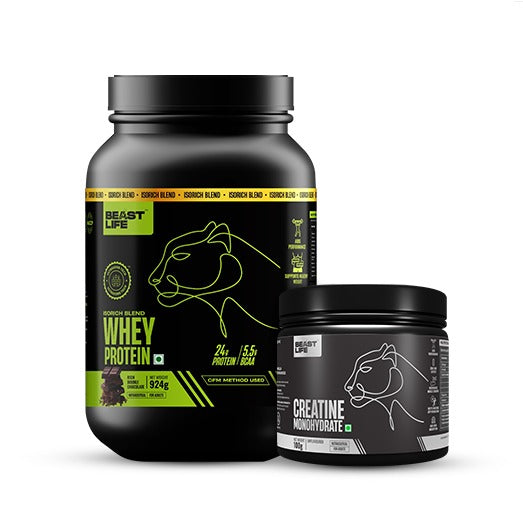

Whey Protein Isolate 1kg: A Day-by-Day Guide to Getting Full Value From One Tub
One kilogram of whey protein isolate usually gives you around 30 servings. That is roughly a month of daily use, and it costs more per gram than a standard concentrate. So if you are going to buy a whey protein isolate 1kg pack, it makes sense to use every scoop with purpose.
This guide follows a single day of eating and training to show where isolate fits, then zooms out to a month-long plan. Along the way, you will learn what isolate actually is, who benefits from it, and how to avoid wasting a scoop.
What Whey Protein Isolate Actually Is
Whey comes from milk during cheese making. Concentrate is the less processed form. Isolate goes through extra filtration to remove more of the fat, lactose and carbohydrates.
The result is a powder that is typically 85 to 90 percent protein by weight, though you should always check the label of the specific product. Lower lactose does not mean lactose-free, so anyone with a diagnosed intolerance should read the label carefully and speak to a doctor.
Isolate suits you if you:
-
Want a lean protein source with minimal extra carbs and fat
-
Often feel heavy or bloated after regular whey
-
Are managing calories closely
-
Prefer a lighter texture that mixes easily in water
7:00 AM: Breakfast Protein Boost
Many Indian breakfasts, such as poha, upma or paratha, are low in protein. Mixing a scoop of isolate into cold milk or a bowl of oats can add 20 to 25 grams of protein to the first meal of the day.
Quick ideas:
-
Blend isolate with banana and cold milk
-
Stir into overnight oats the night before
-
Mix into curd with berries or chopped fruit
If your goal is to gain weight, add calories to this shake with nut butter or full-fat milk. Our guide on whey protein for weight gain lays out how to do it step by step.
11:00 AM: Mid-Morning Gap
Long gaps between meals make it hard to reach your daily protein target. A light isolate shake mixed with water or buttermilk is easy to carry and quick to drink.
Isolate works well here because it stays light. Many people find it easier to tolerate between meals compared with thicker, heavier shakes. It is a handy option when you cannot stop for a proper snack.
5:30 PM: Around Your Workout
If you train in the evening, you have two options. A shake before training gives your body amino acids to work with. A shake afterwards supports recovery.
For most people, the practical approach is simple:
-
If you ate a solid meal within three hours before training, take your scoop afterwards
-
If your last meal was long ago, a small shake before you train can help you feel stronger and less hungry
-
Do not worry about the exact minute, since total daily protein matters most
If muscle building is your primary goal, the guide to the best whey protein for muscle gain explains how protein quality and quantity work together.
9:30 PM: Optional Evening Scoop
If your dinner is light on protein, a small isolate shake before bed can fill the gap. Mix it with water or a small glass of milk. This is optional, and you only need it if your food intake falls short of your daily target.
How Many Scoops Per Day?
Work backwards from your protein goal.
-
Multiply your bodyweight in kg by 1.6 to 2.2 to get your daily range
-
Add up the protein from your regular meals
-
Fill the remaining gap with isolate, usually one or two scoops
A 1kg tub with 30 servings lasts roughly 30 days at one scoop a day, or about 15 days at two. Plan your reorder accordingly.
Mixing Tips That Make a Difference
-
Add liquid to the shaker first, then the powder
-
Use cold water or milk for the smoothest result
-
Shake for 20 to 30 seconds
-
Use a blender for extras such as oats or fruit
-
Let hot drinks cool before adding whey
Isolate typically dissolves easily, so you can often skip the blender if you want a quick, light shake.
Isolate or Concentrate: A Quick Comparison
-
Protein content: isolate is usually higher per scoop
-
Lactose and fat: isolate is usually lower
-
Price: concentrate is generally cheaper
-
Texture: isolate is lighter, concentrate is often creamier
-
Best use: isolate for lean or sensitive needs, concentrate for general value
If you want to explore both types, browse the beast whey protein range and compare labels side by side.
A Four-Week Plan for One 1kg Tub
Week 1: One scoop daily, with breakfast or after training. Note how your stomach feels.
Week 2: Track your food protein for a few days to see how many scoops you really need.
Week 3: Adjust your scoops to hit your target, and try a new recipe so the routine stays interesting.
Week 4: Review your progress, including strength, energy and recovery, and decide whether to reorder or switch products.
Storage Tips for Your Tub
-
Keep the lid tight after every use
-
Store in a cool, dry cupboard
-
Use a dry scoop every time
-
Avoid humid spots such as bathrooms
-
Check the expiry date before buying
A month-long tub is easier to keep fresh than a very large one, which is another advantage of the 1kg size.
What to Pair With Your Shake
Isolate is lean on purpose, so a shake alone will not make a full meal. Pair it with whole foods for a balanced plate:
-
A banana, a handful of nuts or a slice of toast for steady energy
-
A bowl of fruit and curd for extra fibre and probiotics
-
A proper dinner with dal, vegetables and whole grains
-
Water throughout the day, since protein works best alongside good hydration
Think of the scoop as a supporting player, not the star of the plate.
Common Mistakes With Isolate
-
Treating a shake as a replacement for every meal
-
Taking three or four scoops a day without checking your actual protein gap
-
Leaving the tub open in a humid kitchen
-
Switching flavours constantly and never learning what suits you
-
Expecting isolate alone to change your physique without training and sleep
Fix these, and your 1kg tub will go much further.
Who May Want to Skip Isolate
Isolate is not necessary for everyone. You may not need it if:
-
You tolerate regular whey without problems
-
Budget is your main concern
-
You are bulking and want extra calories from the powder itself
In those cases, a concentrate can do the job at a lower cost.
Making Every Scoop Count
A 1kg tub of isolate is a month of lean, easy protein if you use it with intent. Know your daily target, fill your biggest gaps first and keep your storage simple. Do that, and every scoop earns its place.
Frequently Asked Questions
How many servings are in a 1kg whey protein isolate tub?
Most 1kg tubs offer around 28 to 33 servings, depending on scoop size. Check the label to be sure.
Is whey protein isolate lactose-free?
No. It is lower in lactose than concentrate, but it is not lactose-free, so check the label if you have an intolerance.
Is isolate better for muscle gain?
Both isolate and concentrate support muscle building, and the better choice depends on digestion, budget and calorie goals.
When is the best time to drink isolate?
Any time that helps you hit your daily protein target. Many people take it after workouts or with breakfast.
Can I take isolate every day?
Yes, healthy adults can use it daily within recommended amounts. Speak to your doctor if you have a medical condition.
Why is isolate more expensive than concentrate?
It undergoes extra filtration to remove more fat and lactose, which increases production costs.