
-
Performance Fermented Yeast Protein with Ultrasorb Tech | Cold Coffee | 6 kg
Regular price ₹10,999Sale price ₹10,999 Regular priceUnit price per₹15,99931% OFFSave 31%Sale -
Performance Fermented Yeast Protein with Ultrasorb Tech | Cold Coffee | 4 kg
Regular price ₹8,099Sale price ₹8,099 Regular priceUnit price per₹11,39928% OFFSave 28%Sale -
Performance Fermented Yeast Protein with Ultrasorb Tech | Cold Coffee | 1 kg
Regular price ₹2,399Sale price ₹2,399 Regular priceUnit price per₹2,99920% OFFSave 20%Sale -
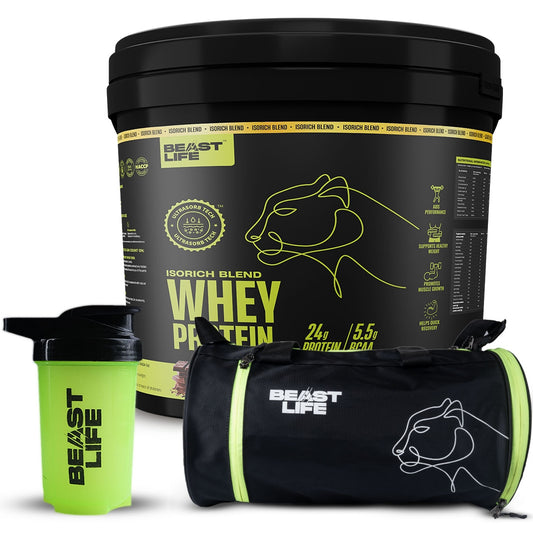 Chocolate | 3.696Kg
Isorich Blend Whey Protein with Ultrasorb Tech | Chocolate | Free Gym Bag and Shaker | 3.696 kg
Regular price ₹21,299Sale price ₹21,299 Regular priceUnit price per₹33,29436% OFFSave 36%Sale -
Performance Fermented Yeast Protein with Ultrasorb Tech | Cold Coffee | 2 kg
Regular price ₹4,499Sale price ₹4,499 Regular priceUnit price per₹5,79922% OFFSave 22%Sale -
Performance Fermented Yeast Protein with Ultrasorb Tech | Chocolate | 4 kg
Regular price ₹8,099Sale price ₹8,099 Regular priceUnit price per₹10,19920% OFFSave 20%Sale -
 Cookies & Cream | 4kg
Performance Fermented Yeast Protein with Ultrasorb Tech | Cookies & Cream | 4 kg
Regular price ₹8,099Sale price ₹8,099 Regular priceUnit price per₹11,39928% OFFSave 28%Sale -
Performance Fermented Yeast Protein with Ultrasorb Tech | Mango | 1 kg
Regular price ₹2,399Sale price ₹2,399 Regular priceUnit price per₹2,99920% OFFSave 20%Sale -
Performance Fermented Yeast Protein with Ultrasorb Tech | Malai Kulfi | 2 kg
Regular price ₹4,499Sale price ₹4,499 Regular priceUnit price per₹5,79922% OFFSave 22%Sale -
Performance Fermented Yeast Protein with Ultrasorb Tech | Chocolate | 2 kg
Regular price ₹4,499Sale price ₹4,499 Regular priceUnit price per₹5,19913% OFFSave 13%Sale -
 Cookies & Cream | 2kg
Performance Fermented Yeast Protein with Ultrasorb Tech | Cookies & Cream | 2 kg
Regular price ₹4,499Sale price ₹4,499 Regular priceUnit price per₹5,79922% OFFSave 22%Sale -
Performance Fermented Yeast Protein with Ultrasorb Tech | Mango | 4 kg
Regular price ₹8,099Sale price ₹8,099 Regular priceUnit price per₹11,39928% OFFSave 28%Sale -
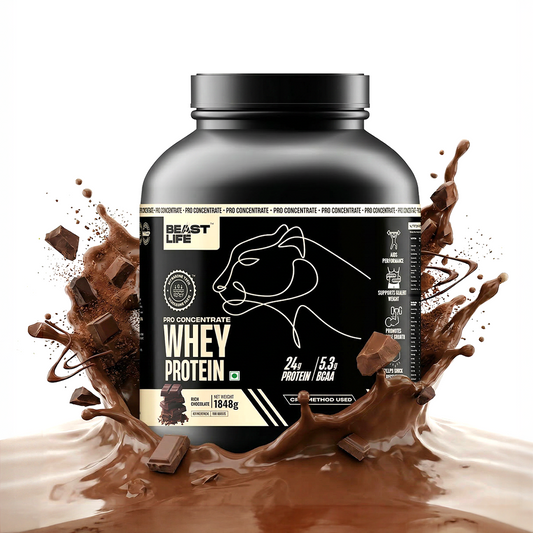 Rich Chocolate | 1.848 kg
Pro Concentrate Whey Protein with Ultrasorb Tech | Rich Chocolate | 1.848 kg
Regular price ₹9,999Sale price ₹9,999 Regular priceUnit price per₹11,99816% OFFSave 16%Sold out -
Performance Fermented Yeast Protein with Ultrasorb Tech | Malai Kulfi | 4 kg
Regular price ₹8,099Sale price ₹8,099 Regular priceUnit price per₹11,39928% OFFSave 28%Sale -
Shake & Gain Combo
Regular price ₹5,999Sale price ₹5,999 Regular priceUnit price per₹6,4987% OFFSave 7%Sale -
Isorich Blend Whey Protein with Ultrasorb Tech | Coffee | 924 g
Regular price ₹5,999Sale price ₹5,999 Regular priceUnit price per₹7,99925% OFFSave 25%Sold out -
Pro Concentrate Whey Protein with Ultrasorb Tech | Malai Kulfi | 924 g
Regular price ₹4,999Sale price ₹4,999 Regular priceUnit price per₹5,99916% OFFSave 16%Sale -
Pro Concentrate Whey Protein with Ultrasorb Tech | Mango | 1.848 kg
Regular price ₹9,999Sale price ₹9,999 Regular priceUnit price per₹11,99816% OFFSave 16%Sold out -
Pro Concentrate Whey Protein with Ultrasorb Tech | Rich Chocolate | 924 g
Regular price ₹4,999Sale price ₹4,999 Regular priceUnit price per₹5,99916% OFFSave 16%Sale -
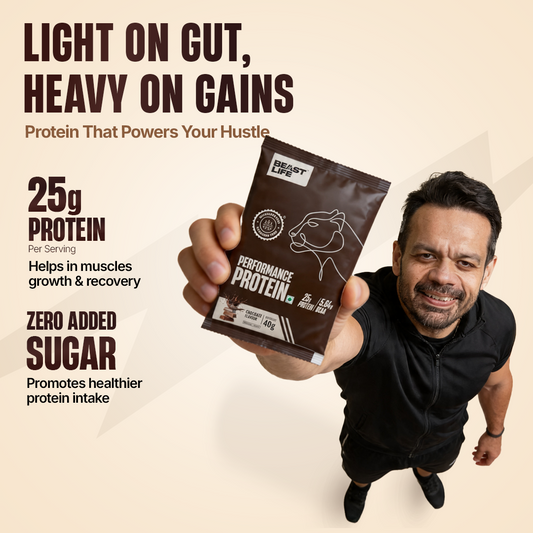 Performance Protein | Pack Of 5
Performance Fermented Yeast Protein with Ultrasorb Tech | Chocolate | Pack of 5
Regular price ₹699Sale price ₹699 Regular priceUnit price per₹79912% OFFSave 12%Sale -
Performance Fermented Yeast Protein with Ultrasorb Tech | Birthday Cake | 1 kg
Regular price ₹2,399Sale price ₹2,399 Regular priceUnit price per₹2,99920% OFFSave 20%Sale -
Performance Fermented Yeast Protein with Ultrasorb Tech | Thandai | 1 kg
Regular price ₹2,399Sale price ₹2,399 Regular priceUnit price per₹2,99920% OFFSave 20%Sale -
Performance Protein | Value Pack | Chocolate | 3 kg
Regular price ₹7,197Sale price ₹7,197 Regular priceUnit price per₹8,00710% OFFSave 10%Sale -
Performance Fermented Yeast Protein with Ultrasorb Tech | Malai Kulfi | 1 kg
Regular price ₹2,399Sale price ₹2,399 Regular priceUnit price per₹2,99920% OFFSave 20%Sale -
 Cookies & Cream | 1kg
Performance Fermented Yeast Protein with Ultrasorb Tech | Cookies & Cream | 1 kg
Regular price ₹2,399Sale price ₹2,399 Regular priceUnit price per₹2,99920% OFFSave 20%Sale -
Gym Essentials Combo | Performance Protein Chocolate Flavour + Neon Shaker
Regular price ₹2,499Sale price ₹2,499 Regular priceUnit price per₹3,16821% OFFSave 21%Sale -
Performance Protein | Value Pack | Chocolate | 2 kg
Regular price ₹4,798Sale price ₹4,798 Regular priceUnit price per₹5,99820% OFFSave 20%Sale -
Power Stack | Performance Protein with Creatine & Neon Shaker
Regular price ₹2,599Sale price ₹2,599 Regular priceUnit price per₹3,83432% OFFSave 32%Sale -
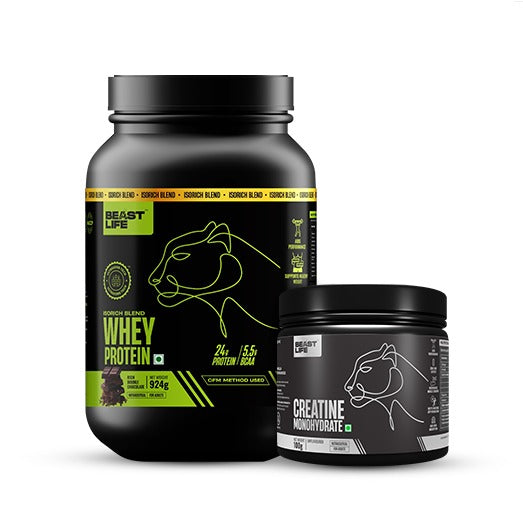
Muscle Power Combo | Performance Protein Chocolate Flavour + Creatine
Regular price ₹2,499Sale price ₹2,499 Regular priceUnit price per₹3,33525% OFFSave 25%Sale -
Pro Concentrate Whey Protein with Ultrasorb Tech | Mango | 3.696 kg
Regular price ₹19,999Sale price ₹19,999 Regular priceUnit price per₹23,99616% OFFSave 16%Sold out -
Pre Workout | Beta Alanine • Caffeine • Zero Crash | Fruit Punch | 105g
Regular price ₹499Sale price ₹499 Regular priceUnit price per₹79937% OFFSave 37%Sale -
Performance Fermented Yeast Protein with Ultrasorb Tech | Chocolate | 1 kg
Regular price ₹2,399Sale price ₹2,399 Regular priceUnit price per₹2,66910% OFFSave 10%Sale -
Performance Fermented Yeast Protein with Ultrasorb Tech | Chocolate | 500 g
Regular price ₹1,599Sale price ₹1,599 Regular priceUnit price per₹1,599Save 1% -
Pro Concentrate Whey Protein with Ultrasorb Tech | Strawberry | 924 g
Regular price ₹4,999Sale price ₹4,999 Regular priceUnit price per₹5,99916% OFFSave 16%Sale -
Isorich Blend Whey Protein with Ultrasorb Tech | Chocolate | 3.696 kg
Regular price ₹20,999Sale price ₹20,999 Regular priceUnit price per₹31,99634% OFFSave 34%Sale -
Pro Concentrate Whey Protein with Ultrasorb Tech | Rose | 924 g
Regular price ₹4,999Sale price ₹4,999 Regular priceUnit price per₹5,99916% OFFSave 16%Sold out -
Pro Concentrate Whey Protein with Ultrasorb Tech | Rich Chocolate | 3.696 kg
Regular price ₹19,999Sale price ₹19,999 Regular priceUnit price per₹23,99616% OFFSave 16%Sale -
Pro Whey Protein | Rich Chocolate | Pack of 5 Sachets
Regular price ₹1,199Sale price ₹1,199 Regular priceUnit price per₹1,199Save 1%Sold out -
Isorich Blend Whey Protein with Ultrasorb Tech | Vanilla | 924 g
Regular price ₹5,999Sale price ₹5,999 Regular priceUnit price per₹7,99925% OFFSave 25%Sale -
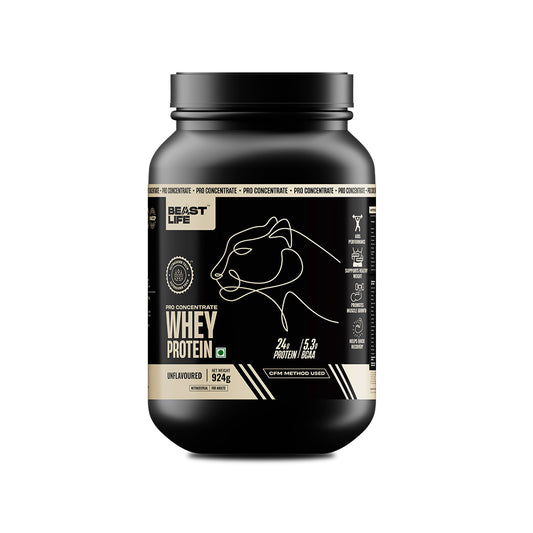
Pro Whey Protein with Ultrasorb Tech | Unflavoured | 924 g
Regular price ₹5,999Sale price ₹5,999 Regular priceUnit price per₹5,999Save 1%Sold out -
Isorich Blend Whey Protein with Ultrasorb Tech | Chocolate | 924 g
Regular price ₹5,999Sale price ₹5,999 Regular priceUnit price per₹7,99925% OFFSave 25%Sale -
Performance Fermented Yeast Protein with Ultrasorb Tech | Chocolate | 6 kg
Regular price ₹10,999Sale price ₹10,999 Regular priceUnit price per₹14,99926% OFFSave 26%Sale -
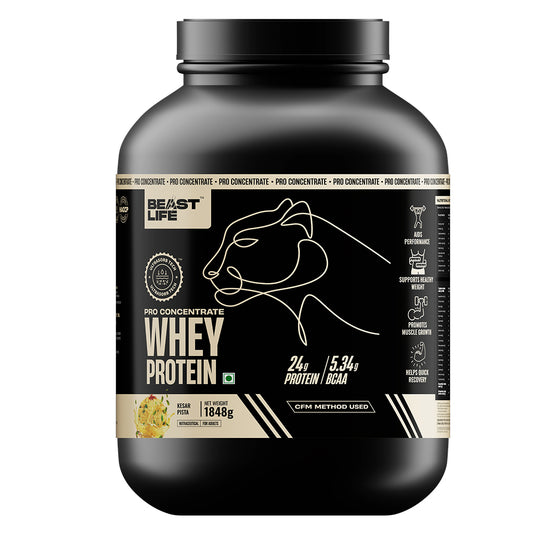 Sold outKesar Pista | 1.848 kg
Pro Concentrate Whey Protein with Ultrasorb Tech | Kesar Pista with Real Pista Flakes | 1.848 kg
Regular price ₹7,749Sale price ₹7,749 Regular priceUnit price per₹7,7981% OFFSave 1%Sold out -
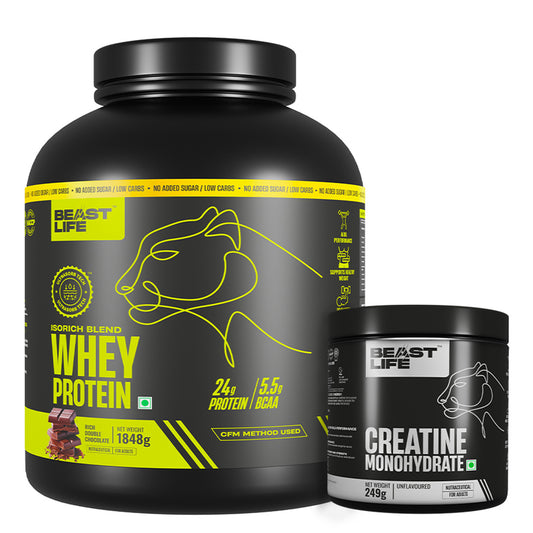 Sold out
The Pro Performance Stack
Regular price ₹12,098Sale price ₹12,098 Regular priceUnit price per₹17,33230% OFFSave 30%Sold out -
The Extreme Power Combo
Regular price ₹6,498Sale price ₹6,498 Regular priceUnit price per₹8,66525% OFFSave 25%Sale -
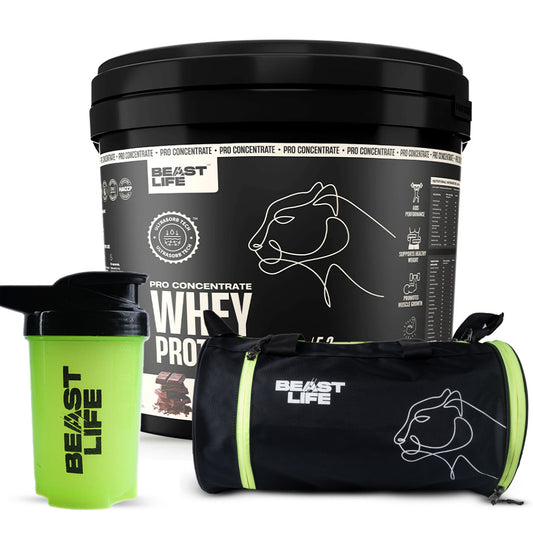 Rich Chocolate 3696g)
Pro Concentrate Whey Protein with Ultrasorb Tech | Rich Chocolate | Free Gym Bag and Shaker | 3.696 kg
Regular price ₹20,299Sale price ₹20,299 Regular priceUnit price per₹25,29419% OFFSave 19%Sale -
Pro Concentrate Whey Protein with Ultrasorb Tech | Butterscotch | 924 g
Regular price ₹4,999Sale price ₹4,999 Regular priceUnit price per₹5,99916% OFFSave 16%Sale -
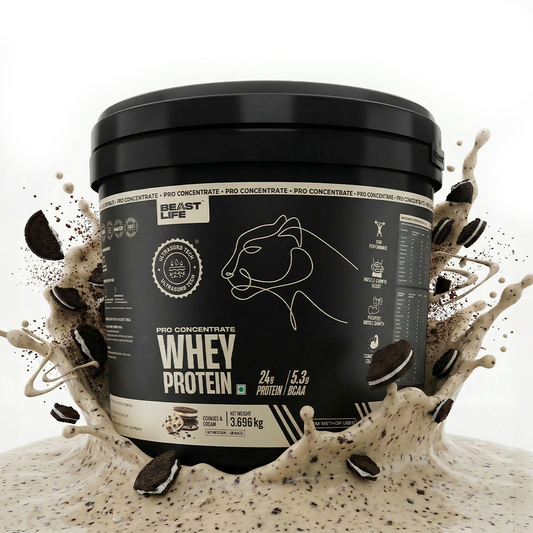 Cookies & Cream 3696g
Pro Concentrate Whey Protein with Ultrasorb Tech | Cookies & Cream | 3.696 kg
Regular price ₹20,999Sale price ₹20,999 Regular priceUnit price per₹23,99612% OFFSave 12%Sold out






Best Whey Protein for Muscle Gain: 7 Buying and Usage Mistakes That Quietly Cap Your Progress
Most lifters do not stall because they picked a bad tub. They stall because of small decisions around it: how much they rely on it, how they read the label, and what they expect it to do. These mistakes are easy to make and surprisingly easy to fix.
If you are searching for the best whey protein for muscle gain, this guide works in reverse. Instead of listing products, it shows the seven errors that waste money and slow progress, and pairs each one with a simple fix you can apply this week.
Mistake 1: Treating Whey as Your Main Protein Source
Whey is a supplement, which means it supplements something. When shakes replace dal, eggs, paneer, curd, chicken or soya, you lose fibre, micronutrients and meal satisfaction.
The Fix
Build your plate first. Aim for 1.6 to 2.2 grams of protein per kg of bodyweight each day, following the range supported by sports nutrition research. Log your food for three days, then use whey only to cover the gap. For many lifters, that means one scoop a day, or two on busy days.
Mistake 2: Judging a Tub by Scoop Size Instead of Protein Percentage
A 40-gram scoop sounds generous, but if it delivers 20 grams of protein, a 30-gram scoop with 24 grams of protein is the stronger product. Bigger scoops often hide fillers, sweeteners and thickeners.
The Fix
Divide the protein per serving by the scoop weight. That gives you a protein percentage, which makes different products comparable. Also check cost per gram of protein, not just the sticker price. A transparent label with an FSSAI licence number, batch details and a clear ingredient list is a good sign.
Mistake 3: Ignoring How Your Stomach Reacts
A shake that leaves you bloated is a shake you will eventually stop drinking. Lactose and heavy flavour systems are common culprits, and many lifters quietly push through discomfort for months.
The Fix
Try a leaner option if regular whey sits heavy. Isolate is filtered further and is generally lower in lactose, fat and carbohydrate, although it is not lactose-free. A whey protein isolate 1kg pack is a practical way to test your tolerance without committing to a huge tub. If you have a diagnosed intolerance or allergy, speak to your doctor first.
Mistake 4: Chasing Protein and Forgetting Calories
Muscle growth needs raw material and energy. A lifter eating 1,900 calories while training six days a week may take in plenty of protein and still struggle to add size, because the body has little spare energy for building new tissue.
The Fix
Estimate your maintenance calories, then add a modest surplus of 300 to 500 calories per day. If your appetite is the bottleneck, calorie-dense shakes with milk, oats, banana and nut butter make it much easier. Our guide to whey protein for weight gain shows how to build them step by step.
Mistake 5: Obsessing Over the Post-Workout Window
Many lifters sprint out of the gym with a shaker in hand, afraid that a delay will waste their session. Current research suggests the window for protein around training is much wider than once believed, often a few hours on either side.
The Fix
Stop stressing about minutes. Make sure you eat a protein-rich meal or shake somewhere within a couple of hours of your session, and focus on hitting your total for the day. If a post-workout shake is convenient, enjoy it. If dinner is waiting at home, that works too.
Mistake 6: Switching Brands and Flavours Every Few Weeks
New tubs are tempting, and it is easy to chase discounts. The problem is that constant switching makes it impossible to tell what suits you, and you may end up with half-finished tubs gathering dust.
The Fix
Pick a product, give it a fair four to six weeks, and judge it on digestion, taste, mixability and how consistently you use it. Browsing the beast whey protein range lets you compare concentrates and isolates in one place before you decide. Once you find a product you enjoy, stay with it.
Mistake 7: Expecting the Tub to Do the Training
No powder builds muscle on its own. Whey provides amino acids, but muscle growth responds to progressive overload, adequate calories, sleep and consistent effort over months. Anyone who promises guaranteed results from a supplement is overselling it.
The Fix
Treat whey as one supporting piece of a bigger system:
-
Follow a structured programme that progressively increases weight, reps or sets
-
Sleep seven to nine hours when possible
-
Eat enough total calories and protein
-
Stay consistent for months, not weeks
A Quick Self-Audit
Answer these questions honestly. Each yes is a point in your favour.
-
Do I know my daily protein target in grams?
-
Do I know how much protein my regular food provides?
-
Have I checked protein per 100 g and cost per gram of protein?
-
Does my shake agree with my stomach?
-
Am I eating enough calories for my goal?
-
Have I used the same product long enough to judge it?
-
Is my training programme progressing week by week?
If you answered no to more than two, start there before buying anything new.
What a Solid Muscle-Gain Routine Looks Like
Here is a simple structure you can adapt:
-
Calculate your protein range using your bodyweight
-
Log your regular food for three days
-
Add one whey scoop where your food falls short
-
Make sure your total calories match your goal
-
Train with progression, and track your lifts
-
Review every two to four weeks and adjust one variable at a time
Notice what is missing. There is no secret formula, only consistent habits, and the right tub is the one that makes those habits easier.
How to Tell Whether Your Whey Is Actually Doing Its Job
Judge your product on practical signals before you judge it on the mirror:
-
You hit your daily protein target on most days without much effort
-
You use the tub regularly instead of leaving it half full
-
Your stomach feels comfortable after every shake
-
Your lifts, reps or training volume are gradually improving
-
Your recovery between sessions feels manageable
Visible changes in muscle take weeks or months, so these everyday signals tell you far more in the short term.
Budget Tips for Smarter Buying
Good protein does not have to strain your wallet. A few habits help:
-
Compare cost per gram of protein across at least three products
-
Buy a size you can finish within two months, so the powder stays fresh
-
Skip bundles that include supplements you have not researched
-
Use seasonal sales only on products you have already tried and liked
-
Let food provide most of your protein, and use whey for the gap
Quality and Safety Notes
Buy from the brand or an authorised seller, check the FSSAI details, batch number and expiry date, and keep your tub in a cool, dry cupboard. If you have a kidney condition, are pregnant or breastfeeding, or take regular medication, check with your doctor before adding a protein supplement.
The Scorecard Approach
Score yourself on the seven mistakes above, and fix the lowest-scoring one first. Small corrections, repeated daily, are what turn a good tub of whey into real progress.
Frequently Asked Questions
How much whey protein do I need to build muscle?
Most people need one to two scoops a day on top of regular meals, depending on how much protein their food provides. Your total daily protein is the number that matters.
Is whey isolate better than concentrate for muscle gain?
Not necessarily. Both support muscle building, and isolate mainly suits people who want less lactose, fat or carbohydrate.
Can I take whey protein on rest days?
Yes, if you need it to reach your protein target. Muscles keep recovering and adapting on rest days.
Is it okay to mix whey with milk?
Yes. Milk adds calories and protein, which helps if you are trying to gain size, and water works if you want a lighter shake.
How long before I notice results?
Muscle gain is gradual, and many people see changes over several weeks to months of consistent training, eating and sleeping well.
Does whey protein replace a meal?
No. It works best as an addition to whole meals, which bring fibre, vitamins and minerals that powder cannot supply.