
-
Performance Fermented Yeast Protein with Ultrasorb Tech | Cold Coffee | 6 kg
Regular price ₹10,999Sale price ₹10,999 Regular priceUnit price per₹15,99931% OFFSave 31%Sale -
Performance Fermented Yeast Protein with Ultrasorb Tech | Cold Coffee | 4 kg
Regular price ₹8,099Sale price ₹8,099 Regular priceUnit price per₹11,39928% OFFSave 28%Sale -
Performance Fermented Yeast Protein with Ultrasorb Tech | Cold Coffee | 1 kg
Regular price ₹2,399Sale price ₹2,399 Regular priceUnit price per₹2,99920% OFFSave 20%Sale -
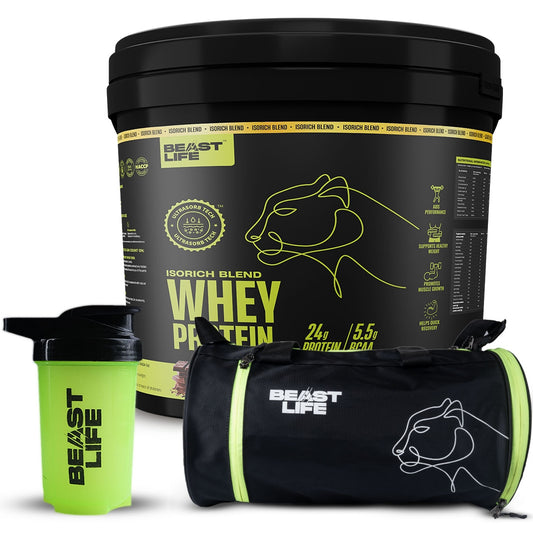 Chocolate | 3.696Kg
Isorich Blend Whey Protein with Ultrasorb Tech | Chocolate | Free Gym Bag and Shaker | 3.696 kg
Regular price ₹21,299Sale price ₹21,299 Regular priceUnit price per₹33,29436% OFFSave 36%Sale -
Performance Fermented Yeast Protein with Ultrasorb Tech | Cold Coffee | 2 kg
Regular price ₹4,499Sale price ₹4,499 Regular priceUnit price per₹5,79922% OFFSave 22%Sale -
Performance Fermented Yeast Protein with Ultrasorb Tech | Chocolate | 4 kg
Regular price ₹8,099Sale price ₹8,099 Regular priceUnit price per₹10,19920% OFFSave 20%Sale -
 Cookies & Cream | 4kg
Performance Fermented Yeast Protein with Ultrasorb Tech | Cookies & Cream | 4 kg
Regular price ₹8,099Sale price ₹8,099 Regular priceUnit price per₹11,39928% OFFSave 28%Sale -
Performance Fermented Yeast Protein with Ultrasorb Tech | Mango | 1 kg
Regular price ₹2,399Sale price ₹2,399 Regular priceUnit price per₹2,99920% OFFSave 20%Sale -
Performance Fermented Yeast Protein with Ultrasorb Tech | Malai Kulfi | 2 kg
Regular price ₹4,499Sale price ₹4,499 Regular priceUnit price per₹5,79922% OFFSave 22%Sale -
Performance Fermented Yeast Protein with Ultrasorb Tech | Chocolate | 2 kg
Regular price ₹4,499Sale price ₹4,499 Regular priceUnit price per₹5,19913% OFFSave 13%Sale -
 Cookies & Cream | 2kg
Performance Fermented Yeast Protein with Ultrasorb Tech | Cookies & Cream | 2 kg
Regular price ₹4,499Sale price ₹4,499 Regular priceUnit price per₹5,79922% OFFSave 22%Sale -
Performance Fermented Yeast Protein with Ultrasorb Tech | Mango | 4 kg
Regular price ₹8,099Sale price ₹8,099 Regular priceUnit price per₹11,39928% OFFSave 28%Sale -
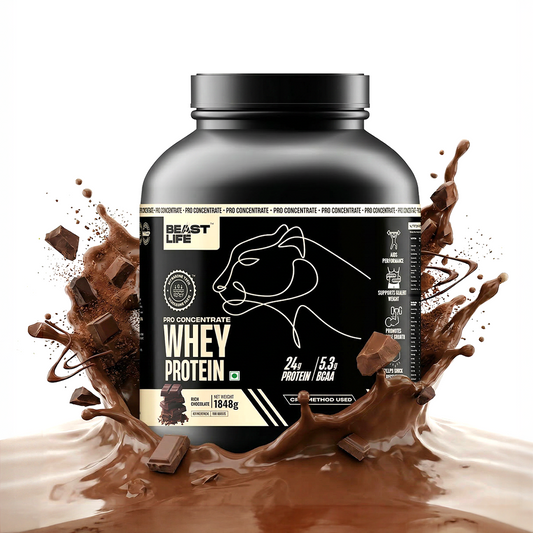 Rich Chocolate | 1.848 kg
Pro Concentrate Whey Protein with Ultrasorb Tech | Rich Chocolate | 1.848 kg
Regular price ₹9,999Sale price ₹9,999 Regular priceUnit price per₹11,99816% OFFSave 16%Sold out -
Performance Fermented Yeast Protein with Ultrasorb Tech | Malai Kulfi | 4 kg
Regular price ₹8,099Sale price ₹8,099 Regular priceUnit price per₹11,39928% OFFSave 28%Sale -
Shake & Gain Combo
Regular price ₹5,999Sale price ₹5,999 Regular priceUnit price per₹6,4987% OFFSave 7%Sale -
Isorich Blend Whey Protein with Ultrasorb Tech | Coffee | 924 g
Regular price ₹5,999Sale price ₹5,999 Regular priceUnit price per₹7,99925% OFFSave 25%Sold out -
Pro Concentrate Whey Protein with Ultrasorb Tech | Malai Kulfi | 924 g
Regular price ₹4,999Sale price ₹4,999 Regular priceUnit price per₹5,99916% OFFSave 16%Sale -
Pro Concentrate Whey Protein with Ultrasorb Tech | Mango | 1.848 kg
Regular price ₹9,999Sale price ₹9,999 Regular priceUnit price per₹11,99816% OFFSave 16%Sold out -
Pro Concentrate Whey Protein with Ultrasorb Tech | Rich Chocolate | 924 g
Regular price ₹4,999Sale price ₹4,999 Regular priceUnit price per₹5,99916% OFFSave 16%Sale -
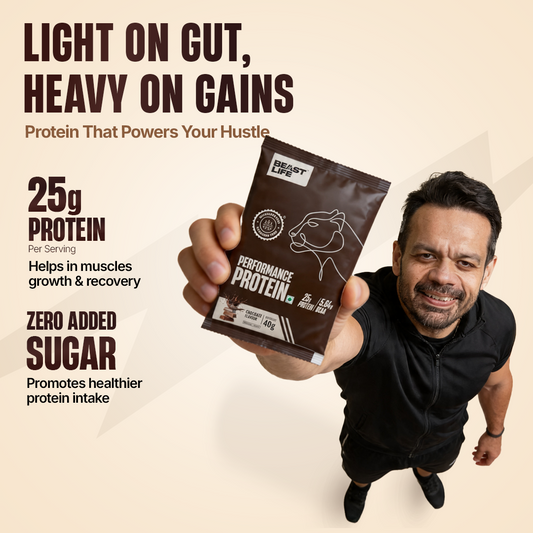 Performance Protein | Pack Of 5
Performance Fermented Yeast Protein with Ultrasorb Tech | Chocolate | Pack of 5
Regular price ₹699Sale price ₹699 Regular priceUnit price per₹79912% OFFSave 12%Sale -
 Birthday Cake | 1 kg
Performance Fermented Yeast Protein with Ultrasorb Tech | Birthday Cake | 1 kg
Regular price ₹2,399Sale price ₹2,399 Regular priceUnit price per₹2,99920% OFFSave 20%Sold out -
Performance Fermented Yeast Protein with Ultrasorb Tech | Thandai | 1 kg
Regular price ₹2,399Sale price ₹2,399 Regular priceUnit price per₹2,99920% OFFSave 20%Sale -
Performance Protein | Value Pack | Chocolate | 3 kg
Regular price ₹7,197Sale price ₹7,197 Regular priceUnit price per₹8,00710% OFFSave 10%Sale -
Performance Fermented Yeast Protein with Ultrasorb Tech | Malai Kulfi | 1 kg
Regular price ₹2,399Sale price ₹2,399 Regular priceUnit price per₹2,99920% OFFSave 20%Sale -
 Cookies & Cream | 1kg
Performance Fermented Yeast Protein with Ultrasorb Tech | Cookies & Cream | 1 kg
Regular price ₹2,399Sale price ₹2,399 Regular priceUnit price per₹2,99920% OFFSave 20%Sale -
Gym Essentials Combo | Performance Protein Chocolate Flavour + Neon Shaker
Regular price ₹2,499Sale price ₹2,499 Regular priceUnit price per₹3,16821% OFFSave 21%Sale -
Performance Protein | Value Pack | Chocolate | 2 kg
Regular price ₹4,798Sale price ₹4,798 Regular priceUnit price per₹5,99820% OFFSave 20%Sale -
Power Stack | Performance Protein with Creatine & Neon Shaker
Regular price ₹2,599Sale price ₹2,599 Regular priceUnit price per₹3,83432% OFFSave 32%Sale -
Muscle Power Combo | Performance Protein Chocolate Flavour + Creatine
Regular price ₹2,499Sale price ₹2,499 Regular priceUnit price per₹3,33525% OFFSave 25%Sale -
Pro Concentrate Whey Protein with Ultrasorb Tech | Mango | 3.696 kg
Regular price ₹19,999Sale price ₹19,999 Regular priceUnit price per₹23,99616% OFFSave 16%Sold out -
Pre Workout | Beta Alanine • Caffeine • Zero Crash | Fruit Punch | 105g
Regular price ₹499Sale price ₹499 Regular priceUnit price per₹79937% OFFSave 37%Sale -
Performance Fermented Yeast Protein with Ultrasorb Tech | Chocolate | 1 kg
Regular price ₹2,399Sale price ₹2,399 Regular priceUnit price per₹2,66910% OFFSave 10%Sale -
Performance Fermented Yeast Protein with Ultrasorb Tech | Chocolate | 500 g
Regular price ₹1,599Sale price ₹1,599 Regular priceUnit price per₹1,599Save 1% -
Pro Concentrate Whey Protein with Ultrasorb Tech | Strawberry | 924 g
Regular price ₹4,999Sale price ₹4,999 Regular priceUnit price per₹5,99916% OFFSave 16%Sale -
Isorich Blend Whey Protein with Ultrasorb Tech | Chocolate | 3.696 kg
Regular price ₹20,999Sale price ₹20,999 Regular priceUnit price per₹31,99634% OFFSave 34%Sale -
Pro Concentrate Whey Protein with Ultrasorb Tech | Rose | 924 g
Regular price ₹4,999Sale price ₹4,999 Regular priceUnit price per₹5,99916% OFFSave 16%Sold out -
Pro Concentrate Whey Protein with Ultrasorb Tech | Rich Chocolate | 3.696 kg
Regular price ₹19,999Sale price ₹19,999 Regular priceUnit price per₹23,99616% OFFSave 16%Sale -
Pro Whey Protein | Rich Chocolate | Pack of 5 Sachets
Regular price ₹1,199Sale price ₹1,199 Regular priceUnit price per₹1,199Save 1%Sold out -
Isorich Blend Whey Protein with Ultrasorb Tech | Vanilla | 924 g
Regular price ₹5,999Sale price ₹5,999 Regular priceUnit price per₹7,99925% OFFSave 25%Sale -
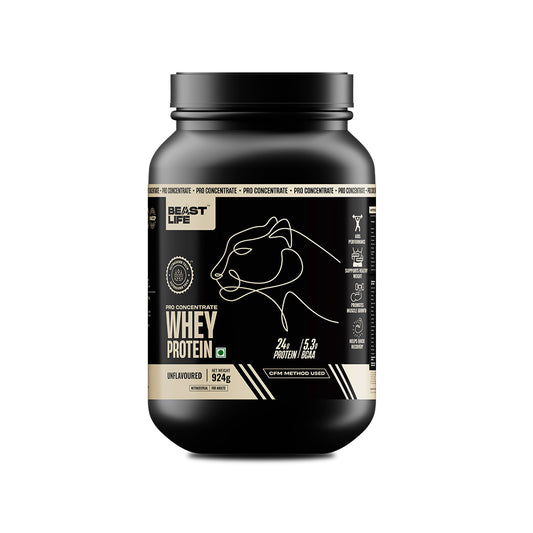
Pro Whey Protein with Ultrasorb Tech | Unflavoured | 924 g
Regular price ₹5,999Sale price ₹5,999 Regular priceUnit price per₹5,999Save 1% -
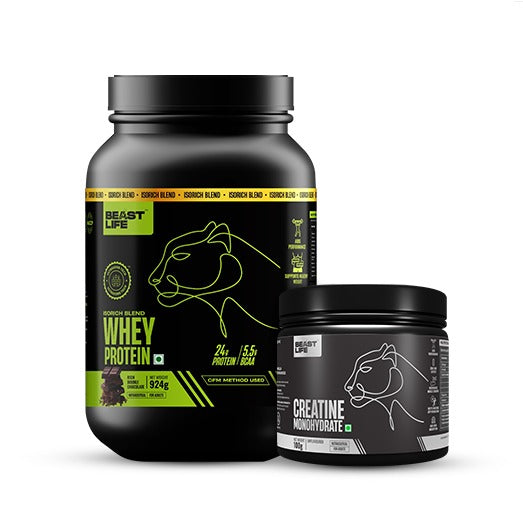
Isorich Blend Whey Protein with Ultrasorb Tech | Chocolate | 924 g
Regular price ₹5,999Sale price ₹5,999 Regular priceUnit price per₹7,99925% OFFSave 25%Sale -
Performance Fermented Yeast Protein with Ultrasorb Tech | Chocolate | 6 kg
Regular price ₹10,999Sale price ₹10,999 Regular priceUnit price per₹14,99926% OFFSave 26%Sale -
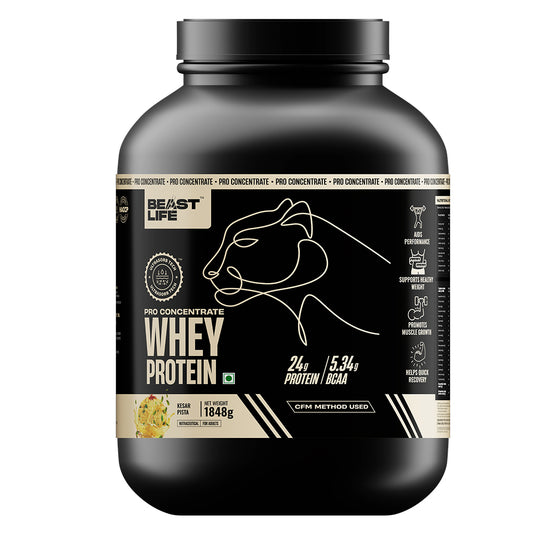 Sold outKesar Pista | 1.848 kg
Pro Concentrate Whey Protein with Ultrasorb Tech | Kesar Pista with Real Pista Flakes | 1.848 kg
Regular price ₹7,749Sale price ₹7,749 Regular priceUnit price per₹7,7981% OFFSave 1%Sold out -
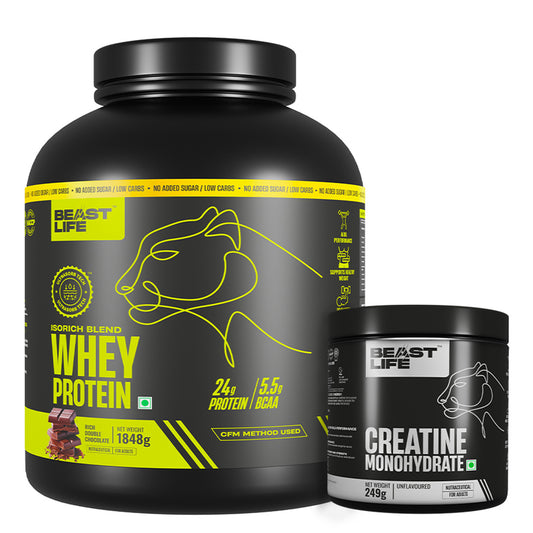 Sold out
The Pro Performance Stack
Regular price ₹12,098Sale price ₹12,098 Regular priceUnit price per₹17,33230% OFFSave 30%Sold out -
The Extreme Power Combo
Regular price ₹6,498Sale price ₹6,498 Regular priceUnit price per₹8,66525% OFFSave 25%Sale -
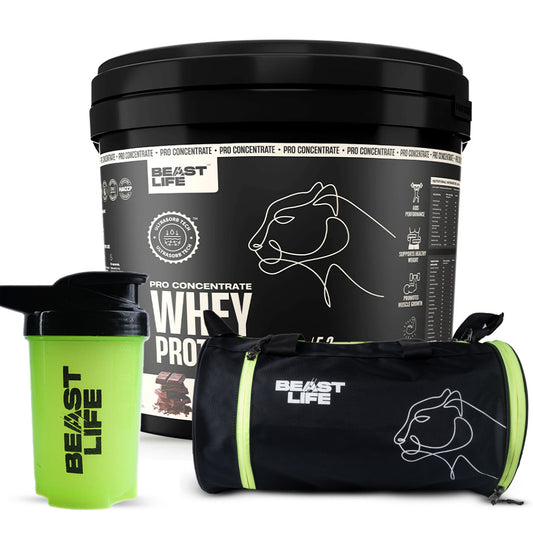 Rich Chocolate 3696g)
Pro Concentrate Whey Protein with Ultrasorb Tech | Rich Chocolate | Free Gym Bag and Shaker | 3.696 kg
Regular price ₹20,299Sale price ₹20,299 Regular priceUnit price per₹25,29419% OFFSave 19%Sale -
Pro Concentrate Whey Protein with Ultrasorb Tech | Butterscotch | 924 g
Regular price ₹4,999Sale price ₹4,999 Regular priceUnit price per₹5,99916% OFFSave 16%Sale -
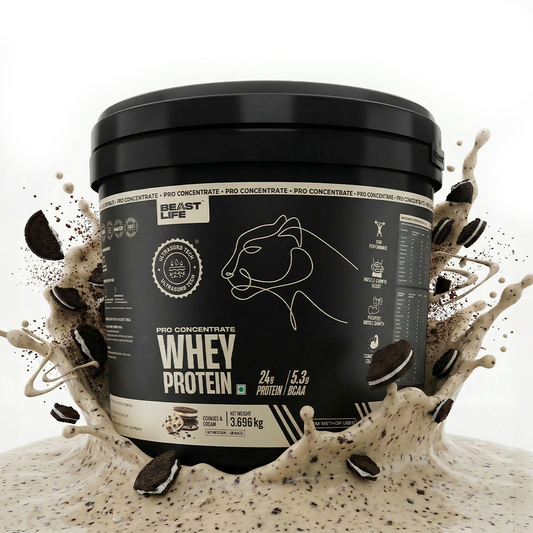 Cookies & Cream 3696g
Pro Concentrate Whey Protein with Ultrasorb Tech | Cookies & Cream | 3.696 kg
Regular price ₹20,999Sale price ₹20,999 Regular priceUnit price per₹23,99612% OFFSave 12%Sold out






Whey Protein Isolate 2kg: A 60-Day Lean-Phase Plan for Getting the Most From One Tub
Picture a lifter in the middle of a lean phase. Calories are tight, training is serious, and every meal needs to pull its weight. A heavy, calorie-rich shake no longer fits, but protein targets have not dropped at all. For that person, a whey protein isolate 2kg tub starts to make a lot of sense.
This guide follows a 60-day plan built around a 2kg isolate tub. It explains who benefits, how to structure your servings, how to manage cost and storage, and when a smaller pack is the wiser choice. The plan is an illustration, not a prescription, so adapt it to your own needs.
Why Isolate Suits a Lean Phase
Isolate goes through extra filtration to remove more of the fat, lactose and carbohydrate found in standard whey. The result is typically a higher protein percentage per scoop, often in the range of 85 to 90 percent by weight, though the label of your specific product is the final word.
Reasons lean-phase lifters often like it:
-
More protein per calorie, which helps when your budget is tight
-
A lighter texture that suits mixing with water
-
Generally lower lactose, which may be gentler on digestion
-
Easy to use several times a day without feeling heavy
It is not magic, and it will not cause weight loss on its own. It simply makes protein targets easier to meet while you manage calories.
The Servings Maths for 2kg
Check your label, but a typical 2kg isolate tub provides roughly 57 to 66 servings.
-
One scoop a day: about two months
-
Two scoops a day: about one month
-
A mix of one and two scoops: around six to eight weeks
A 60-day plan with an average of one scoop a day fits neatly, which is why this pack size suits people who train consistently.
Days 1 to 14: Calibration Phase
The first two weeks are about learning how isolate fits your routine.
-
Set a protein target of 1.6 to 2.2 grams per kg of bodyweight
-
Log your food protein for at least three days
-
Start with one scoop a day, after training or with a low-protein meal
-
Note your digestion, taste preferences and mixing method
At the end of this phase, you should know exactly how many scoops you need to close your daily gap. If you are unsure about the tub size, a whey protein isolate 1kg pack is a useful way to test tolerance first.
Days 15 to 45: Consistency Phase
With your routine set, the goal is to keep things steady.
-
Use your scoops at the same times each day to build a habit
-
Keep your calories consistent so you can judge progress properly
-
Try different flavours or recipes to avoid taste fatigue
-
Track strength, energy and recovery, not just bodyweight
Sample day on a training schedule:
-
Breakfast: Eggs, oats and fruit
-
Post-workout: One scoop of isolate in water or buttermilk
-
Lunch and dinner: Protein-rich Indian meals with dal, vegetables and whole grains
-
Evening: A second scoop only if your food falls short
Days 46 to 60: Review Phase
In the final two weeks, step back and review.
-
Compare your training logs from the start and now
-
Check whether you hit your protein target most days
-
Reflect on how your stomach and appetite responded
-
Decide whether to continue, adjust or change the product
This is also the time to plan what comes next. If your goal shifts toward building size, our guide to whey protein for weight gain shows how to turn the same scoop into calorie-dense shakes.
Mixing Tips for Frequent Use
-
Add liquid to the shaker first, then powder
-
Use cold water, buttermilk or milk for the smoothest result
-
Shake for 20 to 30 seconds
-
Blend if you add fruit or oats
-
Let hot drinks cool before adding whey
Isolate typically dissolves easily, so a simple shaker bottle is often enough.
Cost Per Serving and Per Gram of Protein
A 2kg isolate tub costs more upfront than concentrate. Evaluate it properly:
-
Divide the tub price by the number of servings
-
Divide the tub price by the total grams of protein in the tub
-
Compare these numbers with a 1kg isolate pack and a concentrate
Often, a larger tub lowers the cost per serving, but only if you will actually use it before it loses quality. Compare these figures on the brand's own site, where you can browse the beast whey protein range and check labels before buying.
Keeping a 2kg Tub Fresh
A two-month tub needs good habits.
-
Keep the lid tightly closed after every use
-
Store in a cool, dry cupboard
-
Always use a dry scoop
-
Avoid bathrooms, windowsills and shelves above the stove
-
In monsoon, consider a silica gel packet if the tub does not include one
Stop using the product if it smells sour, develops hard clumps or shows any sign of mould.
Common Mistakes in a Lean Phase
-
Cutting calories so far that training quality drops
-
Leaning on shakes and neglecting fibre-rich meals that keep you full
-
Taking extra scoops without checking your actual protein gap
-
Changing too many variables at once, which makes progress hard to read
-
Forgetting hydration, sleep and recovery
A calm, steady approach almost always beats an aggressive one.
Moving From a 1kg Pack to 2kg
Upgrading the tub size is a sensible step once you are sure about the product. Ask yourself:
-
Have I finished at least one smaller tub and enjoyed it?
-
Does the flavour still taste good after weeks of use?
-
Did my stomach tolerate it comfortably?
-
Do I have storage space that stays cool and dry?
If you can answer yes to all four, the bigger pack usually brings a lower cost per serving and fewer reorders.
Who Should Choose the 2kg Isolate Tub?
-
Lifters who train four or more days per week
-
People in a lean or calorie-controlled phase
-
Households sharing a tub
-
Anyone who already knows isolate suits their stomach and taste
Who Should Start Smaller
-
First-time whey users
-
People unsure about lactose tolerance
-
Anyone who has not yet tried the flavour
-
Occasional gym-goers who use only a few scoops a week
Isolate and Muscle Goals
For muscle building, isolate supports your daily protein target just as effectively as other whey types when used consistently, and muscle gain still depends on training, calories and sleep. To see what else matters on the label, read our guide to the best whey protein for muscle gain.
Quality and Safety Notes
Buy from the brand or an authorised seller, check the seal on arrival and confirm the FSSAI details, batch number and expiry date. Isolate is lower in lactose but not lactose-free, so speak to a doctor if you have an intolerance or allergy, are pregnant or breastfeeding, or take regular medication.
What Comes After Day 60
Sixty days is long enough to know what works. If the tub gave you steady, comfortable protein with less effort, you have your answer. If not, you now have the data to adjust, and that is worth more than any marketing claim.
Frequently Asked Questions
How many servings are in a 2kg whey protein isolate tub?
Most 2kg tubs provide roughly 57 to 66 servings, depending on scoop size. Check the label for the exact number.
Is whey protein isolate 2kg worth it?
It can be, if you use at least one scoop most days and know that you like the flavour and tolerate isolate well.
Is isolate better than concentrate for cutting?
Isolate offers more protein per calorie, which can help in a calorie-controlled phase, but it does not cause weight loss by itself.
How long does a 2kg isolate tub last?
At one scoop a day, it lasts around two months, and at two scoops a day about one month.
Is isolate lactose-free?
No. It is lower in lactose than concentrate, but not lactose-free, so check the label if you have an intolerance.
Can I take isolate every day?
Healthy adults can use it daily within recommended amounts. Speak to your doctor if you have a medical condition.