
-
Performance Fermented Yeast Protein with Ultrasorb Tech | Cold Coffee | 6 kg
Regular price ₹10,999Sale price ₹10,999 Regular priceUnit price per₹15,99931% OFFSave 31%Sale -
Performance Fermented Yeast Protein with Ultrasorb Tech | Cold Coffee | 4 kg
Regular price ₹8,099Sale price ₹8,099 Regular priceUnit price per₹11,39928% OFFSave 28%Sale -
Performance Fermented Yeast Protein with Ultrasorb Tech | Cold Coffee | 1 kg
Regular price ₹2,399Sale price ₹2,399 Regular priceUnit price per₹2,99920% OFFSave 20%Sale -
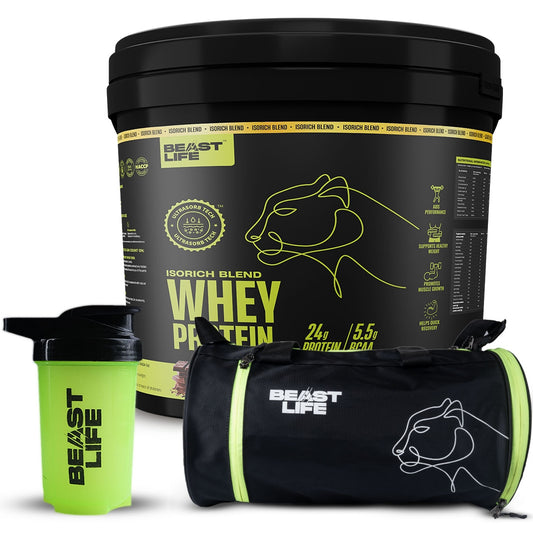 Chocolate | 3.696Kg
Isorich Blend Whey Protein with Ultrasorb Tech | Chocolate | Free Gym Bag and Shaker | 3.696 kg
Regular price ₹21,299Sale price ₹21,299 Regular priceUnit price per₹33,29436% OFFSave 36%Sale -
Performance Fermented Yeast Protein with Ultrasorb Tech | Cold Coffee | 2 kg
Regular price ₹4,499Sale price ₹4,499 Regular priceUnit price per₹5,79922% OFFSave 22%Sale -
Performance Fermented Yeast Protein with Ultrasorb Tech | Chocolate | 4 kg
Regular price ₹8,099Sale price ₹8,099 Regular priceUnit price per₹10,19920% OFFSave 20%Sale -
 Cookies & Cream | 4kg
Performance Fermented Yeast Protein with Ultrasorb Tech | Cookies & Cream | 4 kg
Regular price ₹8,099Sale price ₹8,099 Regular priceUnit price per₹11,39928% OFFSave 28%Sale -
Performance Fermented Yeast Protein with Ultrasorb Tech | Mango | 1 kg
Regular price ₹2,399Sale price ₹2,399 Regular priceUnit price per₹2,99920% OFFSave 20%Sale -
Performance Fermented Yeast Protein with Ultrasorb Tech | Malai Kulfi | 2 kg
Regular price ₹4,499Sale price ₹4,499 Regular priceUnit price per₹5,79922% OFFSave 22%Sale -
Performance Fermented Yeast Protein with Ultrasorb Tech | Chocolate | 2 kg
Regular price ₹4,499Sale price ₹4,499 Regular priceUnit price per₹5,19913% OFFSave 13%Sale -
 Cookies & Cream | 2kg
Performance Fermented Yeast Protein with Ultrasorb Tech | Cookies & Cream | 2 kg
Regular price ₹4,499Sale price ₹4,499 Regular priceUnit price per₹5,79922% OFFSave 22%Sale -
Performance Fermented Yeast Protein with Ultrasorb Tech | Mango | 4 kg
Regular price ₹8,099Sale price ₹8,099 Regular priceUnit price per₹11,39928% OFFSave 28%Sale -
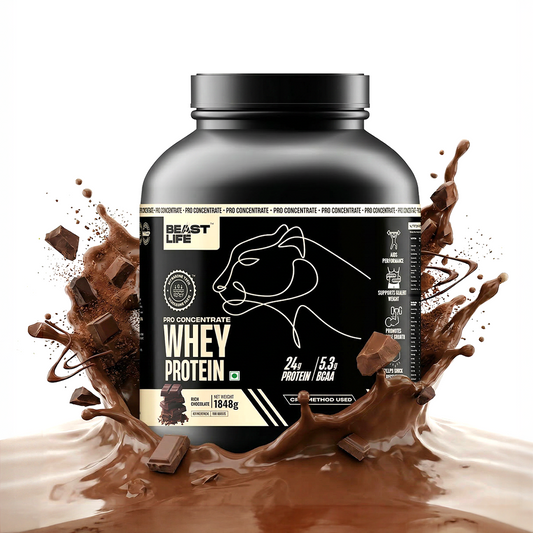 Rich Chocolate | 1.848 kg
Pro Concentrate Whey Protein with Ultrasorb Tech | Rich Chocolate | 1.848 kg
Regular price ₹9,999Sale price ₹9,999 Regular priceUnit price per₹11,99816% OFFSave 16%Sold out -
Performance Fermented Yeast Protein with Ultrasorb Tech | Malai Kulfi | 4 kg
Regular price ₹8,099Sale price ₹8,099 Regular priceUnit price per₹11,39928% OFFSave 28%Sale -
Shake & Gain Combo
Regular price ₹5,999Sale price ₹5,999 Regular priceUnit price per₹6,4987% OFFSave 7%Sale -
Isorich Blend Whey Protein with Ultrasorb Tech | Coffee | 924 g
Regular price ₹5,999Sale price ₹5,999 Regular priceUnit price per₹7,99925% OFFSave 25%Sold out -
Pro Concentrate Whey Protein with Ultrasorb Tech | Malai Kulfi | 924 g
Regular price ₹4,999Sale price ₹4,999 Regular priceUnit price per₹5,99916% OFFSave 16%Sale -
Pro Concentrate Whey Protein with Ultrasorb Tech | Mango | 1.848 kg
Regular price ₹9,999Sale price ₹9,999 Regular priceUnit price per₹11,99816% OFFSave 16%Sold out -
Pro Concentrate Whey Protein with Ultrasorb Tech | Rich Chocolate | 924 g
Regular price ₹4,999Sale price ₹4,999 Regular priceUnit price per₹5,99916% OFFSave 16%Sale -
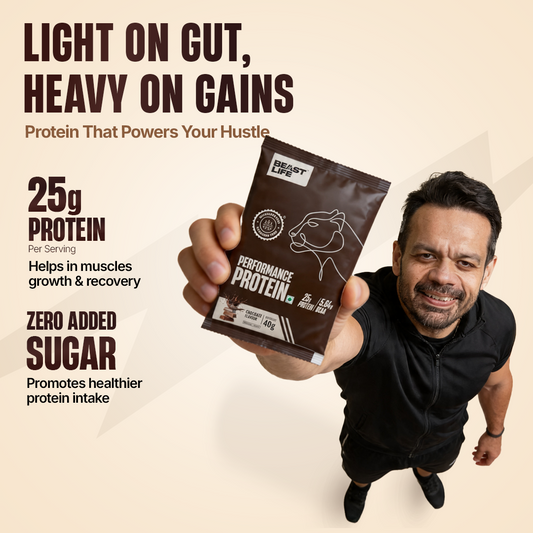 Performance Protein | Pack Of 5
Performance Fermented Yeast Protein with Ultrasorb Tech | Chocolate | Pack of 5
Regular price ₹699Sale price ₹699 Regular priceUnit price per₹79912% OFFSave 12%Sale -
 Birthday Cake | 1 kg
Performance Fermented Yeast Protein with Ultrasorb Tech | Birthday Cake | 1 kg
Regular price ₹2,399Sale price ₹2,399 Regular priceUnit price per₹2,99920% OFFSave 20%Sold out -
Performance Fermented Yeast Protein with Ultrasorb Tech | Thandai | 1 kg
Regular price ₹2,399Sale price ₹2,399 Regular priceUnit price per₹2,99920% OFFSave 20%Sale -
Performance Protein | Value Pack | Chocolate | 3 kg
Regular price ₹7,197Sale price ₹7,197 Regular priceUnit price per₹8,00710% OFFSave 10%Sale -
Performance Fermented Yeast Protein with Ultrasorb Tech | Malai Kulfi | 1 kg
Regular price ₹2,399Sale price ₹2,399 Regular priceUnit price per₹2,99920% OFFSave 20%Sale -
 Cookies & Cream | 1kg
Performance Fermented Yeast Protein with Ultrasorb Tech | Cookies & Cream | 1 kg
Regular price ₹2,399Sale price ₹2,399 Regular priceUnit price per₹2,99920% OFFSave 20%Sale -
Gym Essentials Combo | Performance Protein Chocolate Flavour + Neon Shaker
Regular price ₹2,499Sale price ₹2,499 Regular priceUnit price per₹3,16821% OFFSave 21%Sale -
Performance Protein | Value Pack | Chocolate | 2 kg
Regular price ₹4,798Sale price ₹4,798 Regular priceUnit price per₹5,99820% OFFSave 20%Sale -
Power Stack | Performance Protein with Creatine & Neon Shaker
Regular price ₹2,599Sale price ₹2,599 Regular priceUnit price per₹3,83432% OFFSave 32%Sale -
Muscle Power Combo | Performance Protein Chocolate Flavour + Creatine
Regular price ₹2,499Sale price ₹2,499 Regular priceUnit price per₹3,33525% OFFSave 25%Sale -
Pro Concentrate Whey Protein with Ultrasorb Tech | Mango | 3.696 kg
Regular price ₹19,999Sale price ₹19,999 Regular priceUnit price per₹23,99616% OFFSave 16%Sold out -
Pre Workout | Beta Alanine • Caffeine • Zero Crash | Fruit Punch | 105g
Regular price ₹499Sale price ₹499 Regular priceUnit price per₹79937% OFFSave 37%Sale -
Performance Fermented Yeast Protein with Ultrasorb Tech | Chocolate | 1 kg
Regular price ₹2,399Sale price ₹2,399 Regular priceUnit price per₹2,66910% OFFSave 10%Sale -
Performance Fermented Yeast Protein with Ultrasorb Tech | Chocolate | 500 g
Regular price ₹1,599Sale price ₹1,599 Regular priceUnit price per₹1,599Save 1% -
Pro Concentrate Whey Protein with Ultrasorb Tech | Strawberry | 924 g
Regular price ₹4,999Sale price ₹4,999 Regular priceUnit price per₹5,99916% OFFSave 16%Sold out -
Isorich Blend Whey Protein with Ultrasorb Tech | Chocolate | 3.696 kg
Regular price ₹20,999Sale price ₹20,999 Regular priceUnit price per₹31,99634% OFFSave 34%Sale -
Pro Concentrate Whey Protein with Ultrasorb Tech | Rose | 924 g
Regular price ₹4,999Sale price ₹4,999 Regular priceUnit price per₹5,99916% OFFSave 16%Sold out -
Pro Concentrate Whey Protein with Ultrasorb Tech | Rich Chocolate | 3.696 kg
Regular price ₹19,999Sale price ₹19,999 Regular priceUnit price per₹23,99616% OFFSave 16%Sale -
Pro Whey Protein | Rich Chocolate | Pack of 5 Sachets
Regular price ₹1,199Sale price ₹1,199 Regular priceUnit price per₹1,199Save 1%Sold out -
Isorich Blend Whey Protein with Ultrasorb Tech | Vanilla | 924 g
Regular price ₹5,999Sale price ₹5,999 Regular priceUnit price per₹7,99925% OFFSave 25%Sale -
Pro Whey Protein with Ultrasorb Tech | Unflavoured | 924 g
Regular price ₹5,999Sale price ₹5,999 Regular priceUnit price per₹5,999Save 1%Sold out -
Isorich Blend Whey Protein with Ultrasorb Tech | Chocolate | 924 g
Regular price ₹5,999Sale price ₹5,999 Regular priceUnit price per₹7,99925% OFFSave 25%Sale -
Performance Fermented Yeast Protein with Ultrasorb Tech | Chocolate | 6 kg
Regular price ₹10,999Sale price ₹10,999 Regular priceUnit price per₹14,99926% OFFSave 26%Sale -
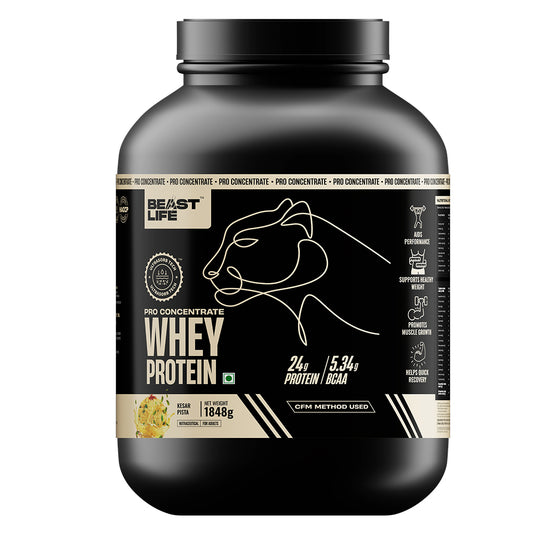 Sold outKesar Pista | 1.848 kg
Pro Concentrate Whey Protein with Ultrasorb Tech | Kesar Pista with Real Pista Flakes | 1.848 kg
Regular price ₹7,749Sale price ₹7,749 Regular priceUnit price per₹7,7981% OFFSave 1%Sold out -
 Sold out
The Pro Performance Stack
Regular price ₹12,098Sale price ₹12,098 Regular priceUnit price per₹17,33230% OFFSave 30%Sold out -
The Extreme Power Combo
Regular price ₹6,498Sale price ₹6,498 Regular priceUnit price per₹8,66525% OFFSave 25%Sale -
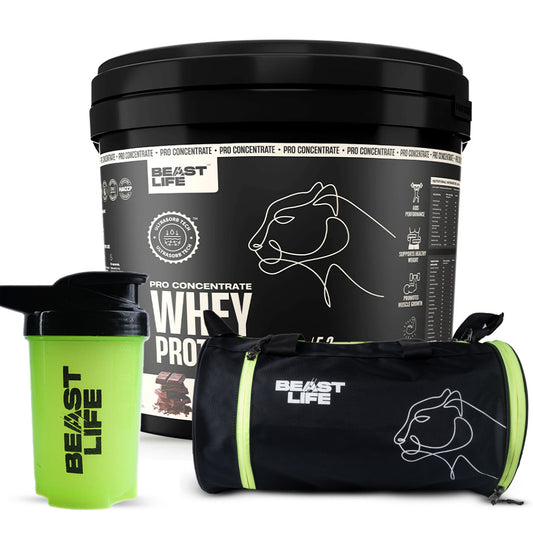 Rich Chocolate 3696g)
Pro Concentrate Whey Protein with Ultrasorb Tech | Rich Chocolate | Free Gym Bag and Shaker | 3.696 kg
Regular price ₹20,299Sale price ₹20,299 Regular priceUnit price per₹25,29419% OFFSave 19%Sale -
Pro Concentrate Whey Protein with Ultrasorb Tech | Butterscotch | 924 g
Regular price ₹4,999Sale price ₹4,999 Regular priceUnit price per₹5,99916% OFFSave 16%Sale -
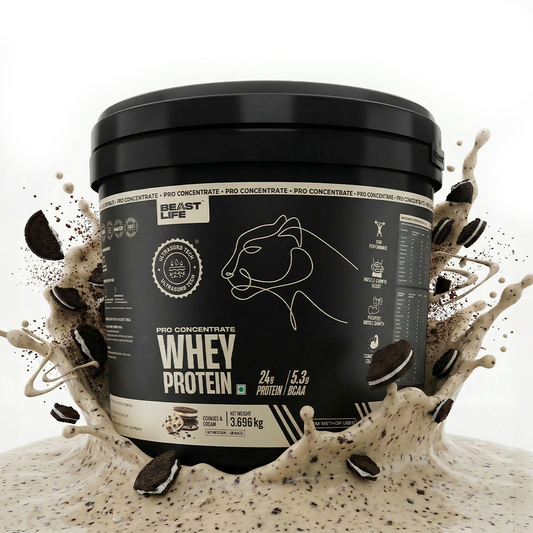 Cookies & Cream 3696g
Pro Concentrate Whey Protein with Ultrasorb Tech | Cookies & Cream | 3.696 kg
Regular price ₹20,999Sale price ₹20,999 Regular priceUnit price per₹23,99612% OFFSave 12%Sold out





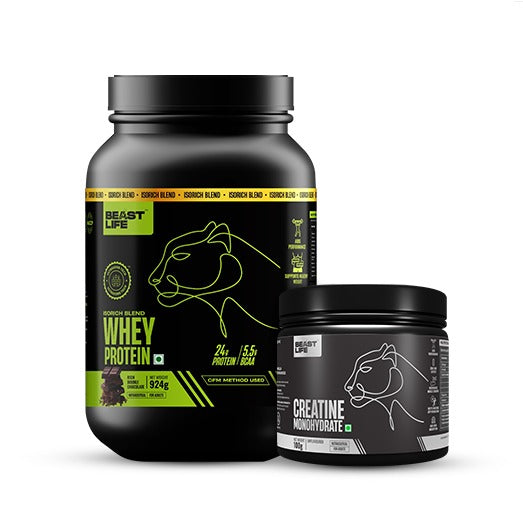

Advanced Whey Protein: 5 Signs You Are Ready to Upgrade Your Protein Game
"My protein is fine, but something still feels off." It is a sentence experienced lifters say more often than beginners. After a couple of years of training, the basics are in place, the routine is steady, and the next improvements come from fine-tuning. That is where advanced whey protein enters the conversation.
But the word "advanced" gets thrown around loosely. This guide explains what it should mean, five signs that suggest you might benefit, and how to avoid paying a premium for nothing.
What Advanced Whey Protein Should Actually Mean
There is no official definition of advanced whey, so the term is partly marketing. A sensible reading looks like this:
-
A higher protein percentage per serving, often through isolate or a filtered blend
-
Lower lactose, fat and carbohydrate compared with basic concentrate
-
More transparent amino acid information, including leucine content
-
Better mixability and a lighter feel for frequent daily use
-
Clear testing and labelling details
In other words, advanced should mean more precision, not more promises. It does not mean guaranteed gains, and no honest brand can claim that.
Sign 1: You Train Four to Six Days a Week
When your training volume is high, recovery demands rise, and your nutrition needs more careful planning. You may be using two or three shakes a day, which makes digestion, taste fatigue and cost add up.
A leaner, easier-to-digest whey is more pleasant to use at that frequency. If this sounds like you, comparing options such as a whey protein isolate 1kg pack is a practical first step.
Sign 2: Your Food and Training Are Already Dialled In
Before upgrading anything, ask yourself whether the foundations are solid:
-
Are you hitting 1.6 to 2.2 grams of protein per kg of bodyweight daily?
-
Are your calories matched to your goal?
-
Are you sleeping seven to nine hours when possible?
-
Is your programme progressing, with lifts getting heavier or reps improving?
If the answer is yes to all four, product-level tweaks may make a real difference to convenience and comfort. If not, no premium tub will compensate. Fix the basics first.
Sign 3: Your Stomach Complains at Higher Intakes
At two or three servings a day, small intolerances become obvious. Bloating, heaviness or gas after shakes is a common reason experienced lifters move away from standard concentrate.
Isolate is filtered further, which usually leaves less lactose, though it is not lactose-free. Anyone with a diagnosed intolerance or allergy should read the label carefully and check with a doctor before changing products.
Sign 4: You Are Managing Calories Tightly
During a lean phase, every calorie counts. A shake with 5 grams of carbohydrate and 2 grams of fat matters more when your daily budget is tight than when you are bulking.
In that situation, a protein with a high percentage of protein per scoop makes it easier to hit your target without spending calories you want to use on food. Compare the label of your current tub with a leaner alternative, and look at calories per gram of protein.
Sign 5: You Want Better Detail on the Label
Experienced lifters often care about the finer points:
-
How much leucine is in each serving
-
Whether the amino acid profile is shown in full
-
Whether lab reports are available
-
Whether the brand explains the source and processing
If you have started reading labels like a checklist, you are probably ready to demand more from your protein. For a systematic approach, our guide to the best whey protein for muscle gain covers the criteria that matter most.
How to Read an Advanced Label Line by Line
Experienced buyers do not skim. Walk through the panel in this order:
-
Serving size: note the scoop weight in grams
-
Protein per serving: divide by the scoop weight for a percentage
-
Calories, carbohydrate and fat: compare them with your current tub
-
Ingredient order: whey should come first, with flavouring and sweeteners after
-
Amino acid information: look for leucine and the full profile
-
Regulatory details: FSSAI number, batch number and expiry date
This takes two minutes and tells you more than any front-of-pack slogan.
A Sample Day for an Advanced User
Here is how an experienced lifter might organise protein across a training day:
-
Breakfast: eggs, oats and fruit for roughly 25 to 30 grams of protein
-
Mid-morning: a light shake for a further 20 to 25 grams
-
Lunch: dal, paneer or chicken with rice and vegetables
-
Post-workout: a second shake or a protein-rich meal within a couple of hours
-
Dinner: another balanced meal with a solid protein source
Notice that most protein still comes from whole foods. The shakes simply make the numbers easier to reach.
When You Should Not Upgrade
Being honest about this saves money. Skip the advanced tier if:
-
You are new to training and still building the habit
-
You tolerate regular whey well, and your budget is tight
-
Your protein intake is inconsistent, or your calories are too low
-
You are hoping a premium tub will replace hard training
For many people, a good standard whey with consistent effort outperforms an expensive formula used inconsistently.
Bulking vs Cutting: Does Your Phase Change the Choice?
Your goal shapes what advanced should look like.
In a Bulking Phase
You may not need the leanest powder. Extra calories are welcome, and a concentrate mixed with milk and oats can do the job at a lower cost. Our breakdown of whey protein for weight gain shows how to build calorie-dense shakes.
In a Cutting Phase
A leaner isolate or blend can help you meet protein goals with fewer extra calories. Pair it with high-fibre meals to stay full and keep your training intensity up.
In a Maintenance Phase
Use whatever product suits your digestion and budget. This is a good time to experiment with flavours and recipes.
A Simple Upgrade Test
If you are unsure, try this four-week experiment:
-
Keep your training and diet the same
-
Switch only your whey product
-
Record digestion, taste, mixability and convenience each week
-
Compare your notes with how you felt on the old product
Judge the upgrade on how it fits your life, not on any promise of results.
Shopping Tips for Advanced Users
-
Compare protein per 100 g and cost per gram of protein
-
Check for FSSAI details, batch numbers and expiry dates
-
Ask the brand for lab reports if they are not published
-
Start with a smaller pack before buying a large tub
-
Browse the beast whey protein range to compare concentrate, isolate and blend options side by side
Quality and Safety Notes
Store the tub in a cool, dry place and use a dry scoop. Check with your doctor before starting a protein supplement if you are pregnant or breastfeeding, have kidney or liver conditions, or take regular medication.
Upgrade With a Reason
Upgrading your protein should be a decision, not an impulse. If you see yourself in two or more of the five signs, test a leaner option carefully. If not, put your energy into the fundamentals and revisit the question in a few months.
Frequently Asked Questions
What is advanced whey protein?
It usually refers to a more refined whey, such as isolate or a filtered blend, with higher protein per serving and clearer labelling.
Is advanced whey better for muscle gain?
It can suit experienced lifters who want leaner macros or easier digestion, but muscle gain still depends on training, calories and sleep.
Is advanced whey worth the extra cost?
It depends on your needs. If you tolerate standard whey well and train moderately, a basic product may serve you just as well.
Can beginners use advanced whey?
Yes, it is safe for healthy adults, but beginners usually get more value from fixing food, sleep and training first.
How many scoops of advanced whey should I take?
One to two scoops a day is typical, based on how much protein your regular meals provide.
Does advanced whey have any side effects?
Most healthy people tolerate whey well. If you notice discomfort, reduce your serving and consult a doctor if it continues.