
-
Performance Fermented Yeast Protein with Ultrasorb Tech | Cold Coffee | 6 kg
Regular price ₹10,999Sale price ₹10,999 Regular priceUnit price per₹15,99931% OFFSave 31%Sale -
Performance Fermented Yeast Protein with Ultrasorb Tech | Cold Coffee | 4 kg
Regular price ₹8,499Sale price ₹8,499 Regular priceUnit price per₹11,39925% OFFSave 25%Sale -
Performance Fermented Yeast Protein with Ultrasorb Tech | Cold Coffee | 1 kg
Regular price ₹2,299Sale price ₹2,299 Regular priceUnit price per₹2,99923% OFFSave 23%Sale -
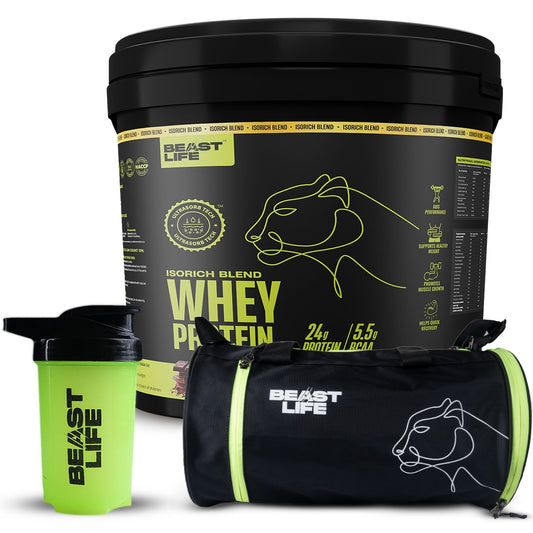 Chocolate | 3.696Kg
Isorich Blend Whey Protein with Ultrasorb Tech | Chocolate | Free Gym Bag and Shaker | 3.696 kg
Regular price ₹15,713Sale price ₹15,713 Regular priceUnit price per₹19,59619% OFFSave 19%Sale -
Performance Fermented Yeast Protein with Ultrasorb Tech | Cold Coffee | 2 kg
Regular price ₹4,398Sale price ₹4,398 Regular priceUnit price per₹5,79924% OFFSave 24%Sale -
Performance Fermented Yeast Protein with Ultrasorb Tech | Chocolate | 4 kg
Regular price ₹8,499Sale price ₹8,499 Regular priceUnit price per₹10,19916% OFFSave 16%Sale -
 Cookies & Cream | 4kg
Performance Fermented Yeast Protein with Ultrasorb Tech | Cookies & Cream | 4 kg
Regular price ₹8,499Sale price ₹8,499 Regular priceUnit price per₹11,39925% OFFSave 25%Sale -
Performance Fermented Yeast Protein with Ultrasorb Tech | Mango | 1 kg
Regular price ₹2,299Sale price ₹2,299 Regular priceUnit price per₹2,99923% OFFSave 23%Sale -
Performance Fermented Yeast Protein with Ultrasorb Tech | Malai Kulfi | 2 kg
Regular price ₹4,398Sale price ₹4,398 Regular priceUnit price per₹5,79924% OFFSave 24%Sale -
Performance Fermented Yeast Protein with Ultrasorb Tech | Chocolate | 2 kg
Regular price ₹4,398Sale price ₹4,398 Regular priceUnit price per₹5,19915% OFFSave 15%Sale -
 Cookies & Cream | 2kg
Performance Fermented Yeast Protein with Ultrasorb Tech | Cookies & Cream | 2 kg
Regular price ₹4,398Sale price ₹4,398 Regular priceUnit price per₹5,79924% OFFSave 24%Sale -
Performance Fermented Yeast Protein with Ultrasorb Tech | Mango | 4 kg
Regular price ₹8,499Sale price ₹8,499 Regular priceUnit price per₹11,39925% OFFSave 25%Sale -
 Rich Chocolate | 1.848 kg
Pro Concentrate Whey Protein with Ultrasorb Tech | Rich Chocolate | 1.848 kg
Regular price ₹6,698Sale price ₹6,698 Regular priceUnit price per₹7,79814% OFFSave 14%Sale -
Performance Fermented Yeast Protein with Ultrasorb Tech | Malai Kulfi | 4 kg
Regular price ₹8,499Sale price ₹8,499 Regular priceUnit price per₹11,39925% OFFSave 25%Sale -
Shake & Gain Combo
Regular price ₹3,814Sale price ₹3,814 Regular priceUnit price per₹3,698-4% OFFSave -4% -
Isorich Blend Whey Protein with Ultrasorb Tech | Coffee | 924 g
Regular price ₹3,999Sale price ₹3,999 Regular priceUnit price per₹4,99920% OFFSave 20%Sale -
Pro Concentrate Whey Protein with Ultrasorb Tech | Malai Kulfi | 924 g
Regular price ₹3,499Sale price ₹3,499 Regular priceUnit price per₹3,99912% OFFSave 12%Sale -
Pro Concentrate Whey Protein with Ultrasorb Tech | Mango | 1.848 kg
Regular price ₹6,698Sale price ₹6,698 Regular priceUnit price per₹7,79814% OFFSave 14%Sale -
Pro Concentrate Whey Protein with Ultrasorb Tech | Rich Chocolate | 924 g
Regular price ₹3,499Sale price ₹3,499 Regular priceUnit price per₹3,99912% OFFSave 12%Sale -
 Performance Protein | Pack Of 5
Performance Fermented Yeast Protein with Ultrasorb Tech | Chocolate | Pack of 5
Regular price ₹699Sale price ₹699 Regular priceUnit price per₹79912% OFFSave 12%Sale -
Performance Fermented Yeast Protein with Ultrasorb Tech | Birthday Cake | 1 kg
Regular price ₹2,299Sale price ₹2,299 Regular priceUnit price per₹2,99923% OFFSave 23%Sale -
Performance Fermented Yeast Protein with Ultrasorb Tech | Thandai | 1 kg
Regular price ₹2,299Sale price ₹2,299 Regular priceUnit price per₹2,99923% OFFSave 23%Sale -
Performance Protein | Value Pack | Chocolate | 3 kg
Regular price ₹6,897Sale price ₹6,897 Regular priceUnit price per₹8,00713% OFFSave 13%Sale -
Performance Fermented Yeast Protein with Ultrasorb Tech | Malai Kulfi | 1 kg
Regular price ₹2,299Sale price ₹2,299 Regular priceUnit price per₹2,99923% OFFSave 23%Sale -
 Cookies & Cream | 1kg
Performance Fermented Yeast Protein with Ultrasorb Tech | Cookies & Cream | 1 kg
Regular price ₹2,299Sale price ₹2,299 Regular priceUnit price per₹2,99923% OFFSave 23%Sale -
Gym Essentials Combo | Performance Protein Chocolate Flavour + Neon Shaker
Regular price ₹2,614Sale price ₹2,614 Regular priceUnit price per₹3,16817% OFFSave 17%Sale -
Performance Protein | Value Pack | Chocolate | 2 kg
Regular price ₹4,398Sale price ₹4,398 Regular priceUnit price per₹5,99826% OFFSave 26%Sale -
Power Stack | Performance Protein with Creatine & Neon Shaker
Regular price ₹3,063Sale price ₹3,063 Regular priceUnit price per₹3,83420% OFFSave 20%Sale -
Muscle Power Combo | Performance Protein Chocolate Flavour + Creatine
Regular price ₹2,748Sale price ₹2,748 Regular priceUnit price per₹3,33517% OFFSave 17%Sale -
Pro Concentrate Whey Protein with Ultrasorb Tech | Mango | 3.696 kg
Regular price ₹12,799Sale price ₹12,799 Regular priceUnit price per₹15,59617% OFFSave 17%Sale -
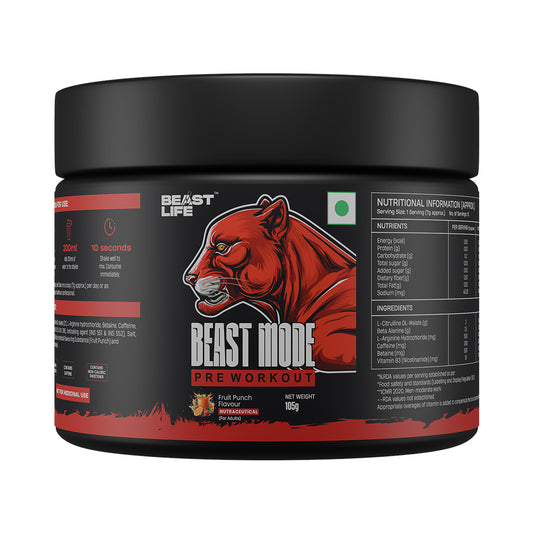
Beastmode Preworkout | Fruit Punch | New Formulation
Regular price ₹499Sale price ₹499 Regular priceUnit price per₹79937% OFFSave 37%Sold out -
Performance Fermented Yeast Protein with Ultrasorb Tech | Chocolate | 1 kg
Regular price ₹2,299Sale price ₹2,299 Regular priceUnit price per₹2,66913% OFFSave 13%Sale -
Performance Fermented Yeast Protein with Ultrasorb Tech | Chocolate | 500 g
Regular price ₹1,199Sale price ₹1,199 Regular priceUnit price per₹1,42315% OFFSave 15%Sale -
ROTI Protein Mix | 250 g
3-5 roti per serving
Regular price ₹525Sale price ₹525 Regular priceUnit price per₹84437% OFFSave 37%Sale -
Pro Concentrate Whey Protein with Ultrasorb Tech | Strawberry | 924 g
Regular price ₹3,499Sale price ₹3,499 Regular priceUnit price per₹3,99912% OFFSave 12%Sale -
Isorich Blend Whey Protein with Ultrasorb Tech | Chocolate | 3.696 kg
Regular price ₹14,799Sale price ₹14,799 Regular priceUnit price per₹19,59624% OFFSave 24%Sale -
Pro Concentrate Whey Protein with Ultrasorb Tech | Rose | 924 g
Regular price ₹3,499Sale price ₹3,499 Regular priceUnit price per₹3,99912% OFFSave 12%Sale -
Pro Concentrate Whey Protein with Ultrasorb Tech | Rich Chocolate | 3.696 kg
Regular price ₹12,799Sale price ₹12,799 Regular priceUnit price per₹15,59617% OFFSave 17%Sale -
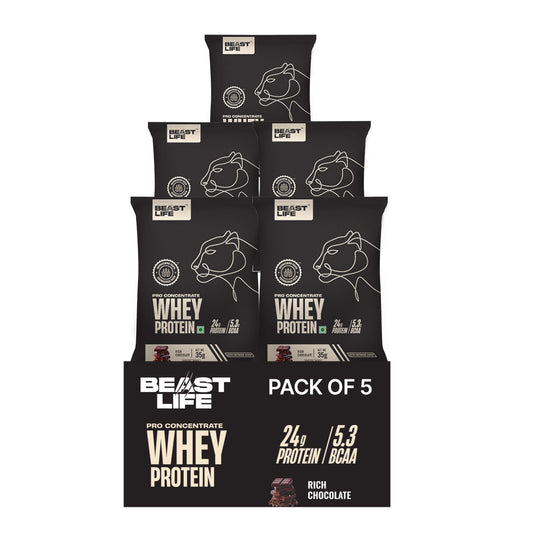
Pro Whey Protein | Rich Chocolate | Pack of 5 Sachets
Regular price ₹599Sale price ₹599 Regular priceUnit price per₹99940% OFFSave 40%Sale -
ROTI Protein Mix | ROTI 2.0 | 1 kg
3-5 roti per serving
Regular price ₹1,473Sale price ₹1,473 Regular priceUnit price per₹2,66944% OFFSave 44%Sale -
ROTI Protein Mix | ROTI 2.0 | 500 g
3-5 roti per serving
Regular price ₹1,052Sale price ₹1,052 Regular priceUnit price per₹1,60134% OFFSave 34%Sale -
Isorich Blend Whey Protein with Ultrasorb Tech | Vanilla | 924 g
Regular price ₹3,999Sale price ₹3,999 Regular priceUnit price per₹4,99920% OFFSave 20%Sale -
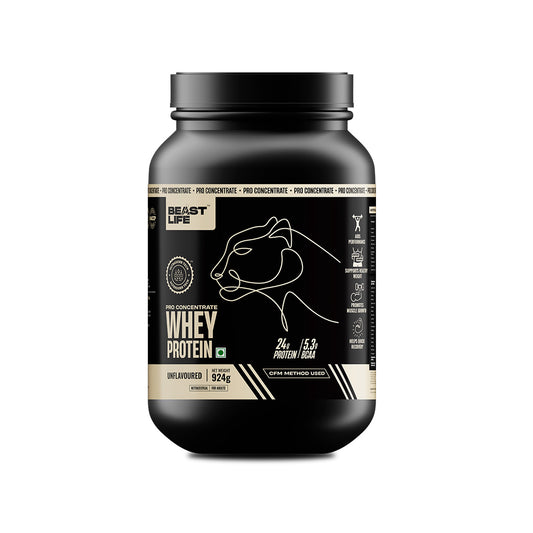
Pro Whey Protein with Ultrasorb Tech | Unflavoured | 924 g
Regular price ₹3,499Sale price ₹3,499 Regular priceUnit price per₹3,4990% OFFSave 0% -
Isorich Blend Whey Protein with Ultrasorb Tech | Chocolate | 924 g
Regular price ₹3,999Sale price ₹3,999 Regular priceUnit price per₹4,99920% OFFSave 20%Sold out -
Performance Fermented Yeast Protein with Ultrasorb Tech | Chocolate | 6 kg
Regular price ₹10,999Sale price ₹10,999 Regular priceUnit price per₹14,99926% OFFSave 26%Sale -
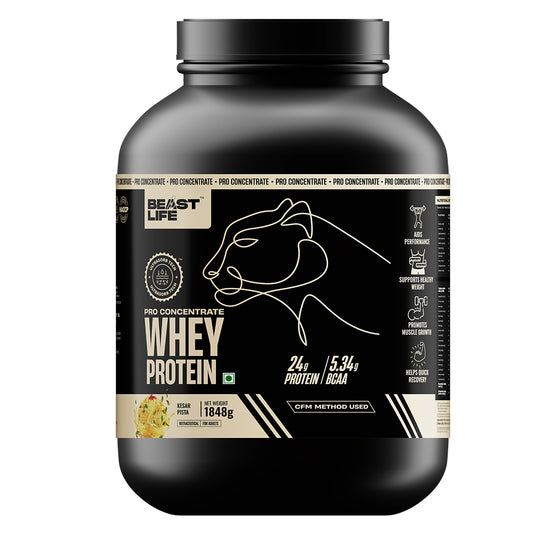 Sold outKesar Pista | 1.848 kg
Pro Concentrate Whey Protein with Ultrasorb Tech | Kesar Pista with Real Pista Flakes | 1.848 kg
Regular price ₹6,698Sale price ₹6,698 Regular priceUnit price per₹7,79814% OFFSave 14%Sold out -
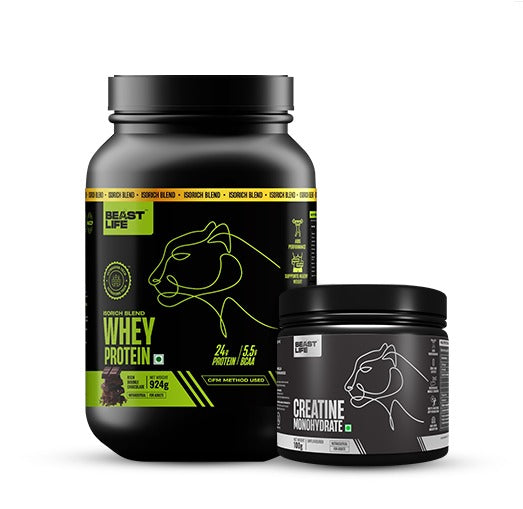
The Pro Performance Stack
Regular price ₹8,297Sale price ₹8,297 Regular priceUnit price per₹11,13225% OFFSave 25%Sale -
 Sold out
The Extreme Power Combo
Regular price ₹4,448Sale price ₹4,448 Regular priceUnit price per₹5,66521% OFFSave 21%Sold out








Clean, Pure, and Tested: Why Whey Protein Isolate 1kg Deserves Your Attention
Whey protein isolate is not simply a more expensive version of concentrate with a different label. It is a distinct processing category that produces a genuinely different nutritional product. To manufacture isolate, liquid whey undergoes additional filtration, typically cross-flow microfiltration or ion exchange processing, that removes most of the naturally occurring fat, lactose, and non-protein fractions from the final powder. The result is a product that delivers 85 to 95 percent protein by weight per serving, compared to 70 to 80 percent for concentrate. For someone with the right goal and dietary requirements, this difference is not marginal. A whey protein isolate 1kg pack is a practical quantity for evaluating whether isolate suits your needs before committing to a larger volume.
What the Filtration Process Actually Removes
From Concentrate to Isolate: The Key Differences
Whey concentrate retains the naturally occurring fats, lactose, and some immunoglobulins present in milk whey. These are not harmful compounds, but they reduce the overall protein concentration per gram and add calories from sources other than protein.
Whey isolate, through additional filtration, removes most of these components. Per standard 30g serving, a genuine isolate product typically delivers:
- 25 to 27g of protein (85 to 90 percent of total serving weight)
- Under 1g of fat
- Under 2g of carbohydrates
- Minimal lactose, often below 0.5g per serving
This profile makes isolate the highest protein-density format among standard whey protein types without requiring a medically modified diet product.
The Absorption Rate Advantage
Whey isolate is absorbed faster than concentrate because its lower fat and lactose content means less time spent in the digestive process before amino acids enter the bloodstream. This makes it particularly useful in post-workout contexts where delivering amino acids to muscle tissue relatively quickly is a practical goal.
Research on protein timing published in the Journal of the International Society of Sports Nutrition notes that while total daily protein intake is the dominant variable in muscle development outcomes, post-workout protein delivery does show measurable benefits for recovery in individuals training at moderate to high intensity.
Who Should Choose Whey Protein Isolate?
Isolate is not the universally superior product. It is the right product for specific people and goals.
Isolate is well-suited for:
- Individuals in a fat loss or body recomposition phase managing total calorie intake carefully
- Those with mild lactose intolerance who experience bloating or digestive discomfort with concentrate products
- Athletes who need maximum protein per calorie to hit protein targets without overshooting calorie goals
- People tracking macronutrients precisely who need predictable, low-fat, low-carb protein entries
Concentrate may be more practical if:
- You are in a muscle gain phase and need higher overall calories per serving
- Budget is a primary consideration, as isolate typically costs more per serving
- You have no lactose sensitivity and your calorie targets are not restrictive
- You want the naturally occurring fats and micronutrients retained in concentrate
If your primary goal sits in the muscle gain category, the best whey protein for muscle gain collection includes both isolate and concentrate options you can compare directly.
How to Verify You Are Actually Buying True Isolate
The word "isolate" is not always an accurate description of what is inside the tub. Some products labelled as isolate blends contain a majority of concentrate with a small percentage of isolate added, which produces a nutritional profile closer to concentrate than genuine isolate.
Here is how to verify what you are purchasing:
- First ingredient check: The label should list "whey protein isolate" as the primary or first ingredient. "Whey protein blend," "whey protein matrix," or "whey protein concentrate" appearing first indicates a primarily concentrate-based product
- Protein percentage calculation: Divide protein grams by serving size grams, multiply by 100. True isolate should read 85 percent or above
- Fat and carbohydrate check: Genuine isolate shows under 1.5g of fat and under 2g of carbohydrates per standard 30g serving
- Lactose disclosure: Look for products that specify lactose content per serving. For isolate, this should be near zero
- FSSAI license number: Mandatory for all supplements sold legally in India
What a 1kg Pack of Isolate Realistically Covers
A standard 1kg whey protein isolate pack with a 30g scoop provides approximately 33 servings. At one serving per day, this is a roughly one-month supply. At two servings per day, expect 16 to 17 days.
For regular users who have already confirmed that an isolate product suits their goals and tolerance, upgrading to a 2kg format offers significantly better cost per serving. A 1kg pack is the sensible evaluation quantity before that commitment.
For those also considering how isolate fits into a broader weight gain nutrition approach, the whey protein for weight gain collection covers options across both formats and provides useful context for comparing calorie density across product types.
Practical Usage: Mixing, Timing, and Storage
Mixing isolate effectively:
- Add liquid to the shaker first, then add protein powder to reduce surface clumping
- Use a shaker bottle with a mixing ball for a smooth, lump-free blend in 30 to 60 seconds
- Water produces a lighter, lower-calorie shake. Low-fat or whole milk adds calories and a creamier texture
- Avoid mixing with acidic liquids such as citrus juice, which can cause protein to partially denature and alter texture
Storage recommendations:
- Cool, dry location away from direct sunlight and humidity
- Sealed lid after every use to prevent moisture absorption
- Avoid bathroom or kitchen sink storage where ambient humidity degrades product quality over time
- Aim to use within 90 to 120 days of opening
BeastLife Whey Isolate: Transparency as Standard
BeastLife's isolate range is formulated to the standards of a genuine whey isolate product: protein percentage above 85 percent per serving, minimal fat and carbohydrate content per serving, a fully disclosed amino acid profile, and FSSAI compliance on every label. There are no proprietary blends, and the numbers are independently verifiable against the label.
For a broader view of available formats across both isolate and concentrate options, the beast whey protein collection lets you compare the full range in one place.
Frequently Asked Questions
Q1: Is whey protein isolate better than concentrate for fat loss?
Isolate offers more protein per calorie with minimal fat and carbohydrate per serving, making it easier to meet protein targets within a calorie deficit. However, total daily calorie and protein intake from all sources matters more than the concentrate versus isolate choice for fat loss outcomes.
Q2: Does whey protein isolate cause bloating?
For most users, isolate causes significantly less digestive discomfort than concentrate due to its reduced lactose content. If bloating persists with isolate, consider whether other dietary factors or food intolerances may be contributing before attributing it solely to the supplement.
Q3: Can I use whey isolate for muscle gain?
Yes. Whey isolate contains a complete amino acid profile and sufficient leucine content to support muscle protein synthesis effectively. It is used in both muscle gain and fat loss phases depending on the user's overall nutrition plan.
Q4: Why is whey isolate more expensive than concentrate?
Additional filtration stages increase manufacturing cost. The result is a higher protein purity per gram of product. For individuals who specifically need high protein with low fat and minimal lactose, this premium reflects a functional difference, not just marketing.
Q5: How should I store whey protein isolate 1kg?
Store in a cool, dry location away from heat, sunlight, and humidity. Keep the lid tightly closed after every use. Avoid storing near a kitchen sink or in a bathroom where moisture in the air can degrade the powder over time.
Q6: Is a 1kg pack enough for a first-time isolate buyer?
Yes. At 30g servings, a 1kg pack provides approximately 33 servings, covering roughly one month of daily use. This is a practical quantity for confirming that an isolate product suits your taste, digestive tolerance, and training goals before committing to a larger purchase.


