
-
Performance Fermented Yeast Protein with Ultrasorb Tech | Cold Coffee | 6 kg
Regular price ₹10,999Sale price ₹10,999 Regular priceUnit price per₹15,99931% OFFSave 31%Sale -
Performance Fermented Yeast Protein with Ultrasorb Tech | Cold Coffee | 4 kg
Regular price ₹8,499Sale price ₹8,499 Regular priceUnit price per₹11,39925% OFFSave 25%Sale -
Performance Fermented Yeast Protein with Ultrasorb Tech | Cold Coffee | 1 kg
Regular price ₹2,299Sale price ₹2,299 Regular priceUnit price per₹2,99923% OFFSave 23%Sale -
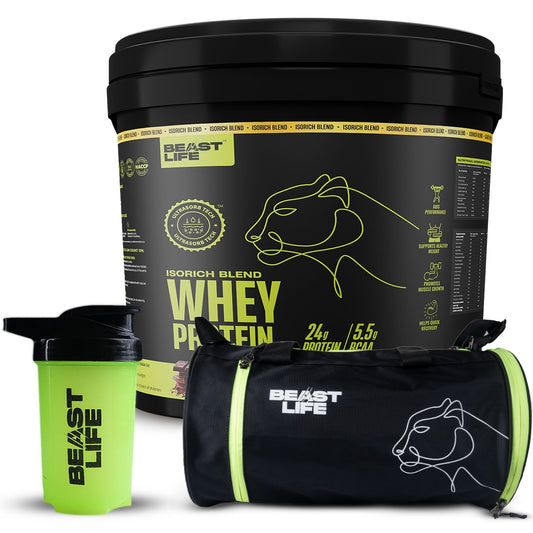 Chocolate | 3.696Kg
Isorich Blend Whey Protein with Ultrasorb Tech | Chocolate | Free Gym Bag and Shaker | 3.696 kg
Regular price ₹15,713Sale price ₹15,713 Regular priceUnit price per₹19,59619% OFFSave 19%Sale -
Performance Fermented Yeast Protein with Ultrasorb Tech | Cold Coffee | 2 kg
Regular price ₹4,398Sale price ₹4,398 Regular priceUnit price per₹5,79924% OFFSave 24%Sale -
Performance Fermented Yeast Protein with Ultrasorb Tech | Chocolate | 4 kg
Regular price ₹8,499Sale price ₹8,499 Regular priceUnit price per₹10,19916% OFFSave 16%Sale -
 Cookies & Cream | 4kg
Performance Fermented Yeast Protein with Ultrasorb Tech | Cookies & Cream | 4 kg
Regular price ₹8,499Sale price ₹8,499 Regular priceUnit price per₹11,39925% OFFSave 25%Sale -
Performance Fermented Yeast Protein with Ultrasorb Tech | Mango | 1 kg
Regular price ₹2,299Sale price ₹2,299 Regular priceUnit price per₹2,99923% OFFSave 23%Sale -
Performance Fermented Yeast Protein with Ultrasorb Tech | Malai Kulfi | 2 kg
Regular price ₹4,398Sale price ₹4,398 Regular priceUnit price per₹5,79924% OFFSave 24%Sale -
Performance Fermented Yeast Protein with Ultrasorb Tech | Chocolate | 2 kg
Regular price ₹4,398Sale price ₹4,398 Regular priceUnit price per₹5,19915% OFFSave 15%Sale -
 Cookies & Cream | 2kg
Performance Fermented Yeast Protein with Ultrasorb Tech | Cookies & Cream | 2 kg
Regular price ₹4,398Sale price ₹4,398 Regular priceUnit price per₹5,79924% OFFSave 24%Sale -
Performance Fermented Yeast Protein with Ultrasorb Tech | Mango | 4 kg
Regular price ₹8,499Sale price ₹8,499 Regular priceUnit price per₹11,39925% OFFSave 25%Sale -
 Rich Chocolate | 1.848 kg
Pro Concentrate Whey Protein with Ultrasorb Tech | Rich Chocolate | 1.848 kg
Regular price ₹6,698Sale price ₹6,698 Regular priceUnit price per₹7,79814% OFFSave 14%Sale -
Performance Fermented Yeast Protein with Ultrasorb Tech | Malai Kulfi | 4 kg
Regular price ₹8,499Sale price ₹8,499 Regular priceUnit price per₹11,39925% OFFSave 25%Sale -
Shake & Gain Combo
Regular price ₹3,814Sale price ₹3,814 Regular priceUnit price per₹3,698-4% OFFSave -4% -
Isorich Blend Whey Protein with Ultrasorb Tech | Coffee | 924 g
Regular price ₹3,999Sale price ₹3,999 Regular priceUnit price per₹4,99920% OFFSave 20%Sale -
Pro Concentrate Whey Protein with Ultrasorb Tech | Malai Kulfi | 924 g
Regular price ₹3,499Sale price ₹3,499 Regular priceUnit price per₹3,99912% OFFSave 12%Sale -
Pro Concentrate Whey Protein with Ultrasorb Tech | Mango | 1.848 kg
Regular price ₹6,698Sale price ₹6,698 Regular priceUnit price per₹7,79814% OFFSave 14%Sale -
Pro Concentrate Whey Protein with Ultrasorb Tech | Rich Chocolate | 924 g
Regular price ₹3,499Sale price ₹3,499 Regular priceUnit price per₹3,99912% OFFSave 12%Sale -
 Performance Protein | Pack Of 5
Performance Fermented Yeast Protein with Ultrasorb Tech | Chocolate | Pack of 5
Regular price ₹699Sale price ₹699 Regular priceUnit price per₹79912% OFFSave 12%Sale -
Performance Fermented Yeast Protein with Ultrasorb Tech | Birthday Cake | 1 kg
Regular price ₹2,299Sale price ₹2,299 Regular priceUnit price per₹2,99923% OFFSave 23%Sale -
Performance Fermented Yeast Protein with Ultrasorb Tech | Thandai | 1 kg
Regular price ₹2,299Sale price ₹2,299 Regular priceUnit price per₹2,99923% OFFSave 23%Sale -
Performance Protein | Value Pack | Chocolate | 3 kg
Regular price ₹6,897Sale price ₹6,897 Regular priceUnit price per₹8,00713% OFFSave 13%Sale -
Performance Fermented Yeast Protein with Ultrasorb Tech | Malai Kulfi | 1 kg
Regular price ₹2,299Sale price ₹2,299 Regular priceUnit price per₹2,99923% OFFSave 23%Sale -
 Cookies & Cream | 1kg
Performance Fermented Yeast Protein with Ultrasorb Tech | Cookies & Cream | 1 kg
Regular price ₹2,299Sale price ₹2,299 Regular priceUnit price per₹2,99923% OFFSave 23%Sale -
Gym Essentials Combo | Performance Protein Chocolate Flavour + Neon Shaker
Regular price ₹2,614Sale price ₹2,614 Regular priceUnit price per₹3,16817% OFFSave 17%Sale -
Performance Protein | Value Pack | Chocolate | 2 kg
Regular price ₹4,398Sale price ₹4,398 Regular priceUnit price per₹5,99826% OFFSave 26%Sale -
Power Stack | Performance Protein with Creatine & Neon Shaker
Regular price ₹3,063Sale price ₹3,063 Regular priceUnit price per₹3,83420% OFFSave 20%Sale -
Muscle Power Combo | Performance Protein Chocolate Flavour + Creatine
Regular price ₹2,748Sale price ₹2,748 Regular priceUnit price per₹3,33517% OFFSave 17%Sale -
Pro Concentrate Whey Protein with Ultrasorb Tech | Mango | 3.696 kg
Regular price ₹12,799Sale price ₹12,799 Regular priceUnit price per₹15,59617% OFFSave 17%Sale -
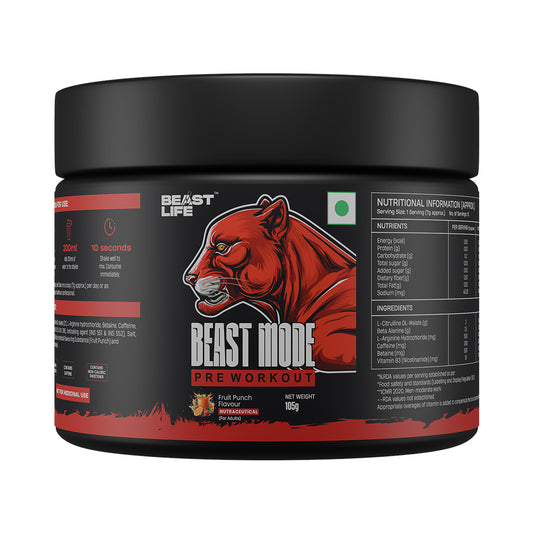
Beastmode Preworkout | Fruit Punch | New Formulation
Regular price ₹499Sale price ₹499 Regular priceUnit price per₹79937% OFFSave 37%Sold out -
Performance Fermented Yeast Protein with Ultrasorb Tech | Chocolate | 1 kg
Regular price ₹2,299Sale price ₹2,299 Regular priceUnit price per₹2,66913% OFFSave 13%Sale -
Performance Fermented Yeast Protein with Ultrasorb Tech | Chocolate | 500 g
Regular price ₹1,199Sale price ₹1,199 Regular priceUnit price per₹1,42315% OFFSave 15%Sale -
ROTI Protein Mix | 250 g
3-5 roti per serving
Regular price ₹525Sale price ₹525 Regular priceUnit price per₹84437% OFFSave 37%Sale -
Pro Concentrate Whey Protein with Ultrasorb Tech | Strawberry | 924 g
Regular price ₹3,499Sale price ₹3,499 Regular priceUnit price per₹3,99912% OFFSave 12%Sale -
Isorich Blend Whey Protein with Ultrasorb Tech | Chocolate | 3.696 kg
Regular price ₹14,799Sale price ₹14,799 Regular priceUnit price per₹19,59624% OFFSave 24%Sale -
Pro Concentrate Whey Protein with Ultrasorb Tech | Rose | 924 g
Regular price ₹3,499Sale price ₹3,499 Regular priceUnit price per₹3,99912% OFFSave 12%Sale -
Pro Concentrate Whey Protein with Ultrasorb Tech | Rich Chocolate | 3.696 kg
Regular price ₹12,799Sale price ₹12,799 Regular priceUnit price per₹15,59617% OFFSave 17%Sale -
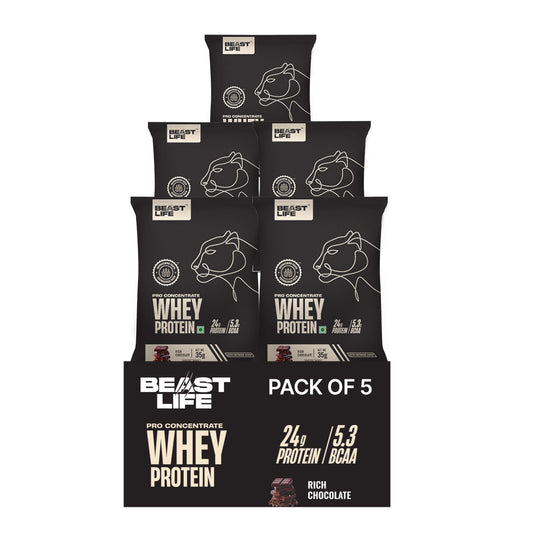
Pro Whey Protein | Rich Chocolate | Pack of 5 Sachets
Regular price ₹599Sale price ₹599 Regular priceUnit price per₹99940% OFFSave 40%Sale -
ROTI Protein Mix | ROTI 2.0 | 1 kg
3-5 roti per serving
Regular price ₹1,473Sale price ₹1,473 Regular priceUnit price per₹2,66944% OFFSave 44%Sale -
ROTI Protein Mix | ROTI 2.0 | 500 g
3-5 roti per serving
Regular price ₹1,052Sale price ₹1,052 Regular priceUnit price per₹1,60134% OFFSave 34%Sale -
Isorich Blend Whey Protein with Ultrasorb Tech | Vanilla | 924 g
Regular price ₹3,999Sale price ₹3,999 Regular priceUnit price per₹4,99920% OFFSave 20%Sale -
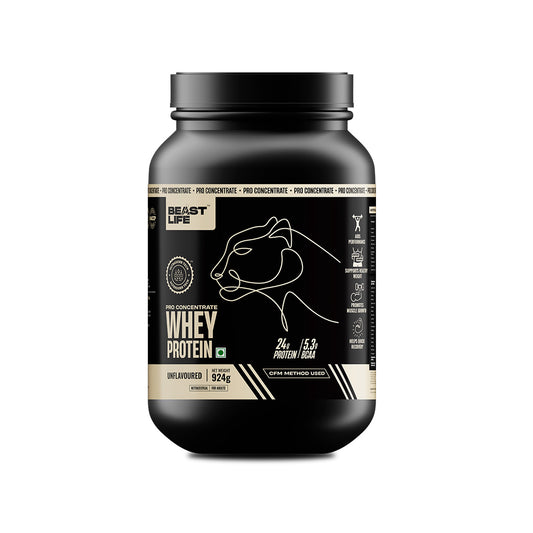
Pro Whey Protein with Ultrasorb Tech | Unflavoured | 924 g
Regular price ₹3,499Sale price ₹3,499 Regular priceUnit price per₹3,4990% OFFSave 0% -
Isorich Blend Whey Protein with Ultrasorb Tech | Chocolate | 924 g
Regular price ₹3,999Sale price ₹3,999 Regular priceUnit price per₹4,99920% OFFSave 20%Sold out -
Performance Fermented Yeast Protein with Ultrasorb Tech | Chocolate | 6 kg
Regular price ₹10,999Sale price ₹10,999 Regular priceUnit price per₹14,99926% OFFSave 26%Sale -
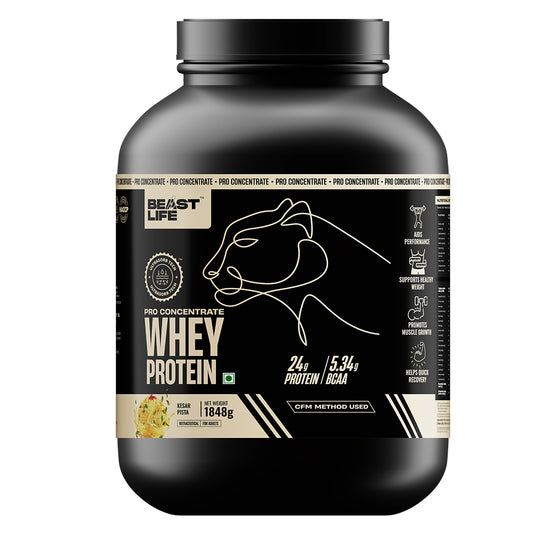 Sold outKesar Pista | 1.848 kg
Pro Concentrate Whey Protein with Ultrasorb Tech | Kesar Pista with Real Pista Flakes | 1.848 kg
Regular price ₹6,698Sale price ₹6,698 Regular priceUnit price per₹7,79814% OFFSave 14%Sold out -
The Pro Performance Stack
Regular price ₹8,297Sale price ₹8,297 Regular priceUnit price per₹11,13225% OFFSave 25%Sale -
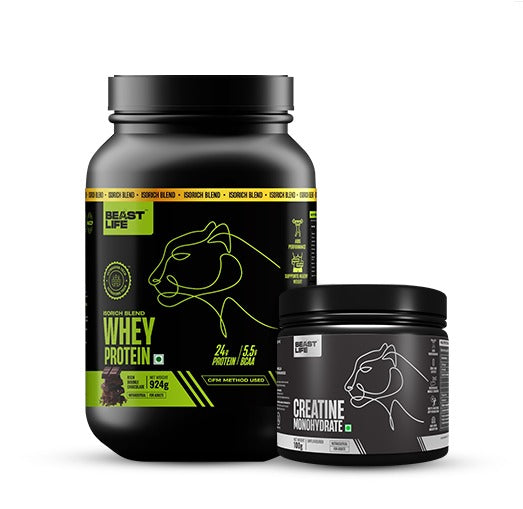 Sold out
The Extreme Power Combo
Regular price ₹4,448Sale price ₹4,448 Regular priceUnit price per₹5,66521% OFFSave 21%Sold out








Fuel the Growth: A Practical Nutrition Guide to Whey Protein for Weight Gain
Gaining lean weight is a straightforward concept that is consistently difficult to execute in practice. Your body will only add muscle mass when three conditions are met at the same time: a sustained caloric surplus, sufficient protein to support muscle repair and growth, and a training stimulus strong enough to signal that the additional muscle tissue is needed. Whey protein for weight gain addresses the protein side of this equation. It does not create the surplus on its own, it does not replace training, and it does not work without both of the other conditions being met. What it does is make it significantly more convenient to consistently hit your daily protein target, particularly for individuals who train hard but find it difficult to eat enough whole food to match their energy and protein needs.
Why Caloric Surplus Is the Foundation, Not the Supplement
No supplement bypasses the fundamental requirement of a caloric surplus for weight gain. If your total daily food intake does not exceed what your body burns, additional protein has nowhere to direct muscle development.
For moderate lean mass gain, a surplus of 250 to 500 calories above your total daily energy expenditure (TDEE) is a widely used and practically sustainable target. A larger surplus speeds up weight gain but also increases the rate of fat accumulation alongside muscle. A moderate surplus over a longer period typically produces a more favourable muscle-to-fat ratio for most people.
Here is where whey protein contributes to the surplus practically:
- A standard 30g serving of whey concentrate mixed with 300ml of whole milk delivers approximately 280 to 320 calories
- Two servings per day adds 560 to 640 calories to total intake
- For a hard gainer already eating three solid meals daily, this can close a caloric gap without requiring a fourth full meal
Building a Daily Nutrition Plan Around Whey Protein for Weight Gain
A structured daily plan is more effective than an unstructured approach to supplementation. Here is an example framework for a 75kg individual targeting 3,000 calories and 135g of protein:
Breakfast: 4 eggs with two whole wheat rotis, one glass of whole milk, one scoop of whey protein mixed in. Approximately 650 calories and 45g protein.
Mid-Morning: 100g paneer with a small portion of mixed nuts. Approximately 400 calories and 20g protein.
Lunch: 200g chicken or legumes with two cups of rice and cooked vegetables. Approximately 700 calories and 40g protein.
Post-Workout: One scoop of whey protein with whole milk and one banana. Approximately 350 calories and 30g protein.
Dinner: 200g fish or paneer with two rotis and a vegetable side. Approximately 600 calories and 35g protein.
In this structure, whey protein appears twice: at breakfast and post-workout. It contributes approximately 60g of the day's 135g protein target, with the remaining 75g coming from whole food sources. The supplement supports the plan; it does not replace it.
Concentrate vs. Isolate: Which Format Suits Weight Gain Better?
The right format depends on how much caloric support you need from your supplement and how your body tolerates different dairy fractions.
Whey Concentrate for Hard Gainers
Concentrate retains naturally occurring fat and carbohydrates alongside protein from the original milk whey. Per 33g serving, most concentrates deliver 130 to 150 calories. Mixed with 300ml of whole milk, a concentrate shake reaches 280 to 320 calories. For individuals who genuinely struggle to eat enough total food, the additional calories from concentrate and whole milk make each serving more efficient from a weight gain perspective.
Whey Isolate for Lean Mass Gain With Controlled Fat Accumulation
Isolate removes most fat and carbohydrates through additional filtration. A 30g serving with water typically delivers 110 to 120 calories at 25 to 27g of protein. This allows individuals to gain lean mass while managing the rate of fat accumulation more precisely. The whey protein isolate 1kg collection is a useful reference if you are comparing isolate options against concentrate for your specific phase.
Common Mistakes That Slow Weight Gain Despite Using Whey Protein
Not tracking total calories: Whey protein cannot create a surplus if total food intake is still below maintenance. Track food intake for two to four weeks to understand where your daily calorie average actually sits before concluding that supplementation is not working.
Replacing meals with shakes: Whole food provides micronutrients, dietary fibre, and nutritional variety that protein supplements cannot replicate. Shakes should add to a meal plan, not substitute full meals in a weight gain context.
Inconsistent daily intake: Muscle development requires consistent protein availability across days, not large amounts on some days and very little on others. Missing daily protein targets on rest days slows recovery and reduces the effectiveness of training days.
Ignoring label accuracy: Amino acid spiking is present in lower-quality products across the Indian supplement market. A product listing taurine, glycine, or creatine prominently among its protein sources may not be delivering the effective whey-derived protein content its label implies.
What BeastLife Whey Protein Offers for Weight Gain Goals
BeastLife's whey protein range is formulated for individuals who take their training and nutrition seriously enough to verify what they are consuming. Full amino acid profile disclosure, FSSAI compliance, and an absence of proprietary blends mean the numbers on the label can be cross-checked independently before purchase.
For those comparing options across formats and goals, the best whey protein for muscle gain collection includes both concentrate and isolate products evaluated for lean mass development specifically.
The full beast whey protein range covers all available pack sizes and formats, useful for those deciding between concentrate, isolate, and pack size options before committing to a purchase.
Setting Honest Expectations for the Weight Gain Process
Lean muscle gain is slow for most natural trainees. Research consistently supports an upper range of approximately 0.5 to 1kg of lean muscle per month under optimal training and nutrition conditions, with progress slowing after the first year of consistent training. Whey protein supports this process by making protein intake more convenient and consistent. It does not independently accelerate the timeline, and anyone claiming it does is not representing the research accurately.
Disclaimer: This content is for informational purposes only and does not constitute medical or nutritional advice. Consult a qualified healthcare professional before starting any new supplement programme.
Frequently Asked Questions
Q1: Can whey protein alone help me gain weight?
No. Weight gain requires total calorie intake to exceed total energy expenditure. Whey protein contributes calories and protein to your diet and supports the muscle repair process, but it cannot produce lean mass gains without adequate total food intake and consistent resistance training.
Q2: How many servings of whey protein per day is appropriate for weight gain?
One to two servings per day alongside a structured, calorie-sufficient diet is the typical range for active individuals focused on lean mass gain. The right amount depends on how much protein you are already consuming through whole food meals.
Q3: Is whey concentrate better than isolate for gaining weight?
Concentrate provides slightly more calories per serving from naturally occurring fat and carbohydrates, which can be advantageous for hard gainers building a caloric surplus. Isolate provides more protein per calorie with less caloric contribution from other macronutrients, which suits those managing fat accumulation more carefully during a lean gain phase.
Q4: Should I take whey protein on days I do not train?
Yes. Muscle recovery and protein synthesis continue on rest days. Meeting your daily protein target consistently across all days, not just training days, supports better overall recovery and development over time.
Q5: Can I mix whey protein with milk to increase calorie intake?
Yes. Whole milk adds approximately 150 calories and 8g of protein per 300ml. This is a simple, cost-effective way to increase the calorie and protein density of each shake, which is particularly practical for hard gainers trying to increase total daily intake.
Q6: How long before I notice results from using whey protein for weight gain?
There is no fixed timeline. Results depend on training consistency, total calorie intake, sleep quality, recovery, and individual physiology. Whey protein is a support tool within a broader programme. Consistent training and a sustained caloric surplus are the primary variables that determine the rate and quality of lean mass gain over time.


