
-
Performance Fermented Yeast Protein with Ultrasorb Tech | Cold Coffee | 6 kg
Regular price ₹10,999Sale price ₹10,999 Regular priceUnit price per₹15,99931% OFFSave 31%Sale -
Performance Fermented Yeast Protein with Ultrasorb Tech | Cold Coffee | 4 kg
Regular price ₹8,499Sale price ₹8,499 Regular priceUnit price per₹11,39925% OFFSave 25%Sale -
Performance Fermented Yeast Protein with Ultrasorb Tech | Cold Coffee | 1 kg
Regular price ₹2,299Sale price ₹2,299 Regular priceUnit price per₹2,99923% OFFSave 23%Sale -
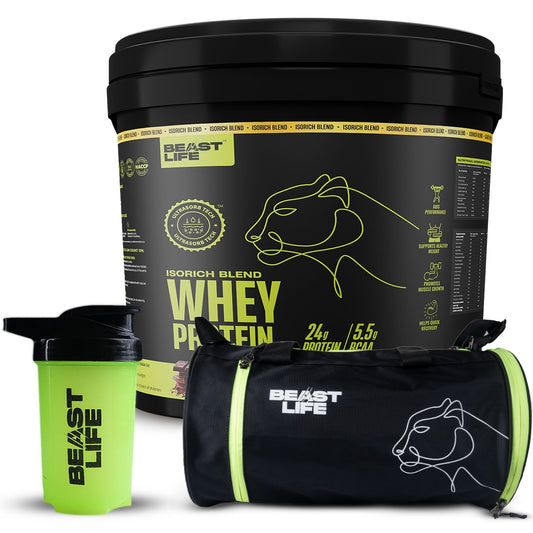 Chocolate | 3.696Kg
Isorich Blend Whey Protein with Ultrasorb Tech | Chocolate | Free Gym Bag and Shaker | 3.696 kg
Regular price ₹15,713Sale price ₹15,713 Regular priceUnit price per₹19,59619% OFFSave 19%Sale -
Performance Fermented Yeast Protein with Ultrasorb Tech | Cold Coffee | 2 kg
Regular price ₹4,398Sale price ₹4,398 Regular priceUnit price per₹5,79924% OFFSave 24%Sale -
Performance Fermented Yeast Protein with Ultrasorb Tech | Chocolate | 4 kg
Regular price ₹8,499Sale price ₹8,499 Regular priceUnit price per₹10,19916% OFFSave 16%Sale -
 Cookies & Cream | 4kg
Performance Fermented Yeast Protein with Ultrasorb Tech | Cookies & Cream | 4 kg
Regular price ₹8,499Sale price ₹8,499 Regular priceUnit price per₹11,39925% OFFSave 25%Sale -
Performance Fermented Yeast Protein with Ultrasorb Tech | Mango | 1 kg
Regular price ₹2,299Sale price ₹2,299 Regular priceUnit price per₹2,99923% OFFSave 23%Sale -
Performance Fermented Yeast Protein with Ultrasorb Tech | Malai Kulfi | 2 kg
Regular price ₹4,398Sale price ₹4,398 Regular priceUnit price per₹5,79924% OFFSave 24%Sale -
Performance Fermented Yeast Protein with Ultrasorb Tech | Chocolate | 2 kg
Regular price ₹4,398Sale price ₹4,398 Regular priceUnit price per₹5,19915% OFFSave 15%Sale -
 Cookies & Cream | 2kg
Performance Fermented Yeast Protein with Ultrasorb Tech | Cookies & Cream | 2 kg
Regular price ₹4,398Sale price ₹4,398 Regular priceUnit price per₹5,79924% OFFSave 24%Sale -
Performance Fermented Yeast Protein with Ultrasorb Tech | Mango | 4 kg
Regular price ₹8,499Sale price ₹8,499 Regular priceUnit price per₹11,39925% OFFSave 25%Sale -
 Rich Chocolate | 1.848 kg
Pro Concentrate Whey Protein with Ultrasorb Tech | Rich Chocolate | 1.848 kg
Regular price ₹6,698Sale price ₹6,698 Regular priceUnit price per₹7,79814% OFFSave 14%Sale -
Performance Fermented Yeast Protein with Ultrasorb Tech | Malai Kulfi | 4 kg
Regular price ₹8,499Sale price ₹8,499 Regular priceUnit price per₹11,39925% OFFSave 25%Sale -
Shake & Gain Combo
Regular price ₹3,814Sale price ₹3,814 Regular priceUnit price per₹3,698-4% OFFSave -4% -
Isorich Blend Whey Protein with Ultrasorb Tech | Coffee | 924 g
Regular price ₹3,999Sale price ₹3,999 Regular priceUnit price per₹4,99920% OFFSave 20%Sale -
Pro Concentrate Whey Protein with Ultrasorb Tech | Malai Kulfi | 924 g
Regular price ₹3,499Sale price ₹3,499 Regular priceUnit price per₹3,99912% OFFSave 12%Sale -
Pro Concentrate Whey Protein with Ultrasorb Tech | Mango | 1.848 kg
Regular price ₹6,698Sale price ₹6,698 Regular priceUnit price per₹7,79814% OFFSave 14%Sale -
Pro Concentrate Whey Protein with Ultrasorb Tech | Rich Chocolate | 924 g
Regular price ₹3,499Sale price ₹3,499 Regular priceUnit price per₹3,99912% OFFSave 12%Sale -
 Performance Protein | Pack Of 5
Performance Fermented Yeast Protein with Ultrasorb Tech | Chocolate | Pack of 5
Regular price ₹699Sale price ₹699 Regular priceUnit price per₹79912% OFFSave 12%Sale -
Performance Fermented Yeast Protein with Ultrasorb Tech | Birthday Cake | 1 kg
Regular price ₹2,299Sale price ₹2,299 Regular priceUnit price per₹2,99923% OFFSave 23%Sale -
Performance Fermented Yeast Protein with Ultrasorb Tech | Thandai | 1 kg
Regular price ₹2,299Sale price ₹2,299 Regular priceUnit price per₹2,99923% OFFSave 23%Sale -
Performance Protein | Value Pack | Chocolate | 3 kg
Regular price ₹6,897Sale price ₹6,897 Regular priceUnit price per₹8,00713% OFFSave 13%Sale -
Performance Fermented Yeast Protein with Ultrasorb Tech | Malai Kulfi | 1 kg
Regular price ₹2,299Sale price ₹2,299 Regular priceUnit price per₹2,99923% OFFSave 23%Sale -
 Cookies & Cream | 1kg
Performance Fermented Yeast Protein with Ultrasorb Tech | Cookies & Cream | 1 kg
Regular price ₹2,299Sale price ₹2,299 Regular priceUnit price per₹2,99923% OFFSave 23%Sale -
Gym Essentials Combo | Performance Protein Chocolate Flavour + Neon Shaker
Regular price ₹2,614Sale price ₹2,614 Regular priceUnit price per₹3,16817% OFFSave 17%Sale -
Performance Protein | Value Pack | Chocolate | 2 kg
Regular price ₹4,398Sale price ₹4,398 Regular priceUnit price per₹5,99826% OFFSave 26%Sale -
Power Stack | Performance Protein with Creatine & Neon Shaker
Regular price ₹3,063Sale price ₹3,063 Regular priceUnit price per₹3,83420% OFFSave 20%Sale -
Muscle Power Combo | Performance Protein Chocolate Flavour + Creatine
Regular price ₹2,748Sale price ₹2,748 Regular priceUnit price per₹3,33517% OFFSave 17%Sale -
Pro Concentrate Whey Protein with Ultrasorb Tech | Mango | 3.696 kg
Regular price ₹12,799Sale price ₹12,799 Regular priceUnit price per₹15,59617% OFFSave 17%Sale -
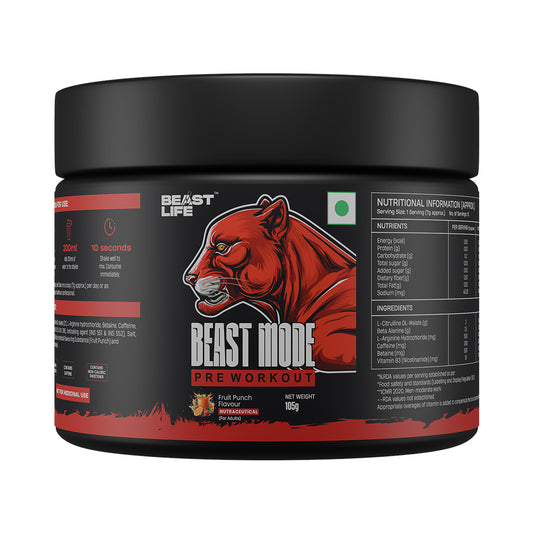
Beastmode Preworkout | Fruit Punch | New Formulation
Regular price ₹499Sale price ₹499 Regular priceUnit price per₹79937% OFFSave 37%Sold out -
Performance Fermented Yeast Protein with Ultrasorb Tech | Chocolate | 1 kg
Regular price ₹2,299Sale price ₹2,299 Regular priceUnit price per₹2,66913% OFFSave 13%Sale -
Performance Fermented Yeast Protein with Ultrasorb Tech | Chocolate | 500 g
Regular price ₹1,199Sale price ₹1,199 Regular priceUnit price per₹1,42315% OFFSave 15%Sale -
ROTI Protein Mix | 250 g
3-5 roti per serving
Regular price ₹525Sale price ₹525 Regular priceUnit price per₹84437% OFFSave 37%Sale -
Pro Concentrate Whey Protein with Ultrasorb Tech | Strawberry | 924 g
Regular price ₹3,499Sale price ₹3,499 Regular priceUnit price per₹3,99912% OFFSave 12%Sale -
Isorich Blend Whey Protein with Ultrasorb Tech | Chocolate | 3.696 kg
Regular price ₹14,799Sale price ₹14,799 Regular priceUnit price per₹19,59624% OFFSave 24%Sale -
Pro Concentrate Whey Protein with Ultrasorb Tech | Rose | 924 g
Regular price ₹3,499Sale price ₹3,499 Regular priceUnit price per₹3,99912% OFFSave 12%Sale -
Pro Concentrate Whey Protein with Ultrasorb Tech | Rich Chocolate | 3.696 kg
Regular price ₹12,799Sale price ₹12,799 Regular priceUnit price per₹15,59617% OFFSave 17%Sale -
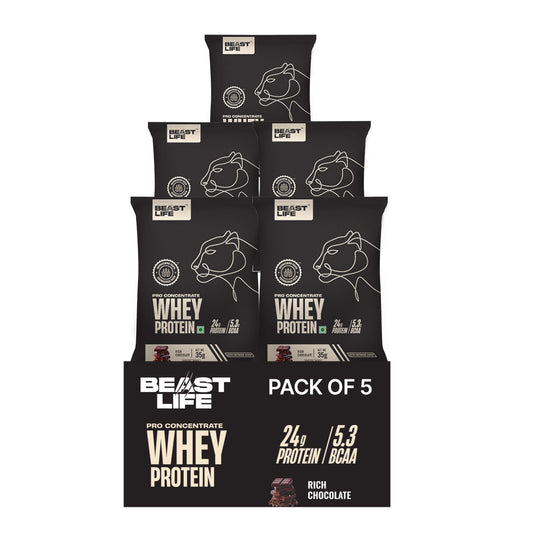
Pro Whey Protein | Rich Chocolate | Pack of 5 Sachets
Regular price ₹599Sale price ₹599 Regular priceUnit price per₹99940% OFFSave 40%Sale -
ROTI Protein Mix | ROTI 2.0 | 1 kg
3-5 roti per serving
Regular price ₹1,473Sale price ₹1,473 Regular priceUnit price per₹2,66944% OFFSave 44%Sale -
ROTI Protein Mix | ROTI 2.0 | 500 g
3-5 roti per serving
Regular price ₹1,052Sale price ₹1,052 Regular priceUnit price per₹1,60134% OFFSave 34%Sale -
Isorich Blend Whey Protein with Ultrasorb Tech | Vanilla | 924 g
Regular price ₹3,999Sale price ₹3,999 Regular priceUnit price per₹4,99920% OFFSave 20%Sale -
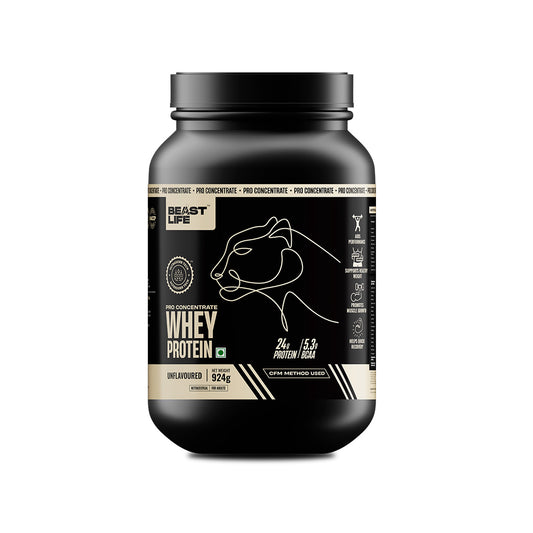
Pro Whey Protein with Ultrasorb Tech | Unflavoured | 924 g
Regular price ₹3,499Sale price ₹3,499 Regular priceUnit price per₹3,4990% OFFSave 0% -
Isorich Blend Whey Protein with Ultrasorb Tech | Chocolate | 924 g
Regular price ₹3,999Sale price ₹3,999 Regular priceUnit price per₹4,99920% OFFSave 20%Sale -
Performance Fermented Yeast Protein with Ultrasorb Tech | Chocolate | 6 kg
Regular price ₹10,999Sale price ₹10,999 Regular priceUnit price per₹14,99926% OFFSave 26%Sale -
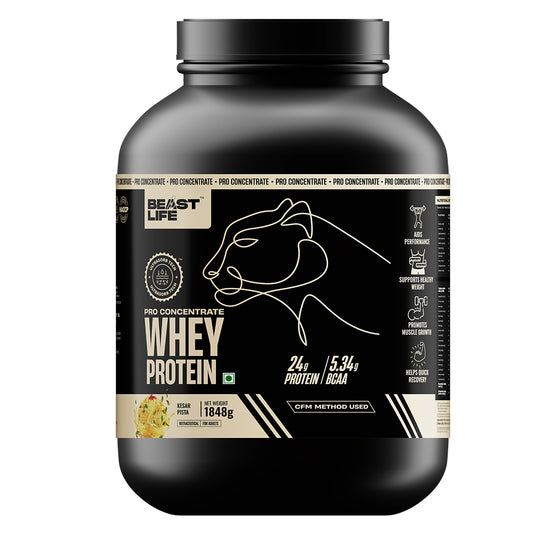 Sold outKesar Pista | 1.848 kg
Pro Concentrate Whey Protein with Ultrasorb Tech | Kesar Pista with Real Pista Flakes | 1.848 kg
Regular price ₹6,698Sale price ₹6,698 Regular priceUnit price per₹7,79814% OFFSave 14%Sold out -
The Pro Performance Stack
Regular price ₹8,297Sale price ₹8,297 Regular priceUnit price per₹11,13225% OFFSave 25%Sale -
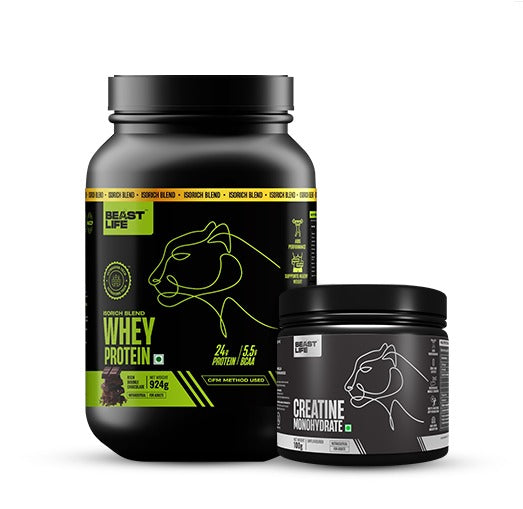 Sold out
The Extreme Power Combo
Regular price ₹4,448Sale price ₹4,448 Regular priceUnit price per₹5,66521% OFFSave 21%Sold out








Simple, Effective, and Affordable: The Real Case for Whey Protein Concentrate 1kg
Before the supplement industry complicated protein powder into dozens of sub-categories and premium formats, whey protein concentrate was simply the product that worked. It still is. Whey protein concentrate 1kg remains the most widely purchased format of protein supplement in India, not because consumers do not know better, but because for a large segment of active gym-goers and fitness beginners, it is genuinely the best fit. It is affordable, nutritionally complete, and available in a 1kg pack size that makes sense for consistent monthly use without requiring a large upfront commitment. This guide breaks down exactly what concentrate is, how it compares to isolate, and how to choose a product worth buying.
What Is Whey Protein Concentrate and How Is It Made?
Whey protein concentrate is produced when liquid whey (a byproduct of cheese manufacturing) is filtered to remove water, some fat, and some lactose, and then spray-dried into powder. The result is a protein powder that typically contains 70 to 80 percent protein by weight per serving, with small amounts of naturally occurring fat and carbohydrates retained from the original milk source.
The fat and carbohydrate content in concentrate is not a flaw. These naturally occurring compounds contribute to the flavour profile, texture, and calorie density of the product, which is one reason concentrate tends to taste richer than isolate at the same price point.
Nutritional profile of a standard concentrate serving (per 33g):
- Protein: 23 to 26g
- Fat: 2 to 4g
- Carbohydrates: 3 to 5g
- Calories: approximately 120 to 145
- Leucine: approximately 2.2 to 2.8g depending on product
How Concentrate Compares to Isolate
The most common comparison in protein supplement buying is concentrate versus isolate. Here is a direct breakdown:
|
Factor |
Concentrate |
Isolate |
|
Protein per serving |
70 to 80 percent |
85 to 95 percent |
|
Fat per serving |
2 to 4g |
Under 1g |
|
Lactose per serving |
Low to moderate |
Very low |
|
Calories per serving |
120 to 145 |
110 to 125 |
|
Cost per serving |
Lower |
Higher |
|
Best suited for |
Building phases, general fitness |
Cutting phases, lactose sensitivity |
For most healthy adults without lactose sensitivity who are training for general fitness or muscle gain, concentrate provides sufficient protein quality at significantly better cost per serving. The whey protein isolate 1kg range is the appropriate upgrade if your goal specifically requires a lower-calorie, lower-lactose format.
Who Is Whey Protein Concentrate 1kg Best For?
Beginners building a supplement routine
A 1kg pack at one serving per day covers approximately 30 servings, which aligns with a one-month supply. This is the ideal quantity for a first purchase because it allows you to confirm flavour tolerance, digestive response, and daily routine fit before committing to a larger or more expensive format.
Regular gym-goers in a muscle gain phase
During a building or surplus phase, the additional calories from fat and carbohydrates in concentrate contribute positively to total daily calorie intake. For anyone aiming at a moderate caloric surplus, this added calorie density makes concentrate a more efficient option than isolate, where additional calories have to be sourced from food anyway.
Budget-conscious consistent trainers
Over a training year, the cost difference between concentrate and isolate adds up significantly. A Rs. 10 to 15 per serving difference across two servings daily amounts to Rs. 600 to 900 per month. For college students and young professionals managing a supplement budget, this is a meaningful financial consideration.
For those using concentrate as part of a lean mass gain strategy, the whey protein for weight gain collection includes concentrate options that fit a caloric surplus nutritional framework.
5 Quality Markers for Concentrate Products
Not all concentrate products are equal. Use these five checks before any purchase:
-
First ingredient: Should read "whey protein concentrate", not a blend or matrix. If maltodextrin or sugar appears first, the product is primarily a carbohydrate supplement with added protein.
-
Protein percentage: Divide grams of protein by total serving size in grams and multiply by 100. Quality concentrate should read between 70 and 80 percent. Significantly below 70 percent indicates filler content.
-
FSSAI license number: Legally required for all supplement products sold in India. Absence is a red flag.
-
No amino acid spiking: Check that taurine, glycine, or creatine are not listed high in the ingredient order as they inflate protein readings without contributing equivalent muscle-building benefit.
-
Amino acid profile disclosure: At a minimum, BCAA and leucine content per serving should be listed. Leucine should be at or above 2.2g per serving for a quality concentrate.
How to Get the Most From a 1kg Concentrate Pack
Timing and usage for a monthly supply:
- At one serving per day post-workout: approximately 30 to 33 servings, covering one month
- At two servings per day (morning and post-workout): approximately 15 to 16 days, better suited to hard gainers in a building phase
- Plan your purchase frequency based on your usage rate to avoid mid-cycle stockouts
Mixing recommendations:
- Whole milk adds approximately 150 calories and 8g of additional protein per 300ml, increasing both calorie and protein content of each shake
- Water produces a lighter shake at approximately 130 to 145 calories per serving
- A standard shaker bottle with a mixing ball produces a smooth blend in under 60 seconds
The beast whey protein collection includes concentrate options with transparent labelling, FSSAI compliance, and full amino acid disclosure, making it a reliable starting point for first-time buyers and experienced gym-goers alike.
For those comparing across formats to find the right fit, the best whey protein for muscle gain collection allows direct comparison between concentrate and isolate products on a single platform.
Frequently Asked Questions
Q1: Is whey protein concentrate good enough for building muscle?
Yes. Concentrate provides a complete amino acid profile with sufficient leucine content to effectively stimulate muscle protein synthesis. The slightly lower protein percentage per serving compared to isolate does not meaningfully reduce its effectiveness for muscle development.
Q2: Does the fat content in concentrate cause fat gain?
2 to 4g of fat per serving does not independently cause fat gain. Weight gain results from total calorie intake exceeding energy expenditure, not from the fat in a single protein serving.
Q3: How long does a 1kg concentrate pack last?
At one 30 to 33g serving per day, a 1kg pack typically provides 30 to 33 servings, covering approximately one month of daily use.
Q4: Can I use whey concentrate if I am lactose sensitive?
Whey concentrate contains moderate lactose levels. Individuals with mild lactose sensitivity may tolerate it well, while those with more significant sensitivity may experience digestive discomfort. Whey isolate, with its much lower lactose content, is the more appropriate choice in those cases.
Q5: Does mixing concentrate with milk add too many calories?
It depends on your daily calorie target. For individuals in a muscle gain phase needing a caloric surplus, adding whole milk increases the shake's calorie and protein content beneficially. For those managing calorie intake more precisely, mixing with water keeps the shake within a tighter calorie range.
Q6: Is a 1kg pack the right size for regular gym use?
For most gym-goers using one serving daily, a 1kg pack covers approximately one month. It is a practical size for first-time buyers and for those who prefer monthly restocking over a large upfront commitment.


