
-
Pro Concentrate Whey Protein with Ultrasorb Tech | Cookies & Cream | 924 g
Regular price ₹4,999Sale price ₹4,999 Regular priceUnit price per₹5,99916% OFFSave 16%Sale -
Isorich Blend Whey Protein with Ultrasorb Tech | Chocolate | 1.848 kg
Regular price ₹10,999Sale price ₹10,999 Regular priceUnit price per₹15,99831% OFFSave 31%Sold out -
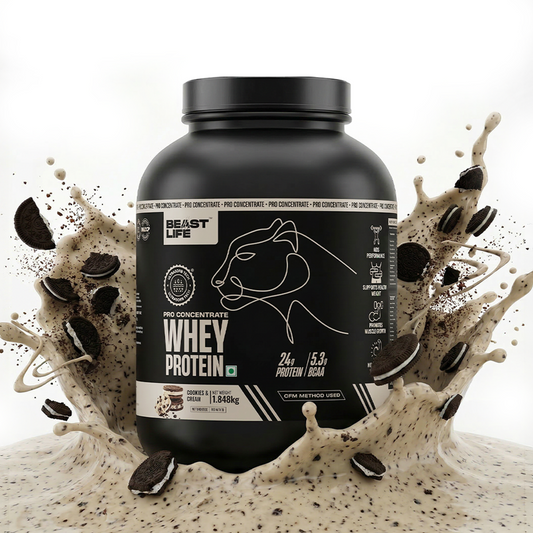 Cookies & Cream 1848g
Pro Concentrate Whey Protein with Ultrasorb Tech | Cookies & Cream | 1.848 kg
Regular price ₹9,999Sale price ₹9,999 Regular priceUnit price per₹11,99816% OFFSave 16%Sold out -
Pro Concentrate Whey Protein with Ultrasorb Tech | Mango | 924 g
Regular price ₹4,999Sale price ₹4,999 Regular priceUnit price per₹5,99916% OFFSave 16%Sold out -
Performance Fermented Yeast Protein with Ultrasorb Tech | Vanilla | 1 kg
Regular price ₹2,399Sale price ₹2,399 Regular priceUnit price per₹2,99920% OFFSave 20%Sold out -
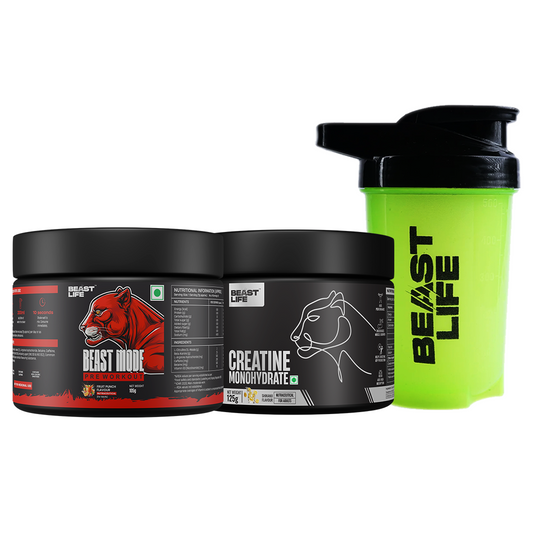 Fruit Punch | 105g
Combo pack | Preworkout | Fruit punch | 105 g + Creatine Monohydrate | Shikanji | 125 g + Neon Shaker | 500 ml
Regular price ₹1,313Sale price ₹1,313 Regular priceUnit price per₹2,05336% OFFSave 36%Sale


Whey Protein for Women: Honest Answers to the Questions Women Actually Ask
"Will it make me bulky?" It is the first question almost every woman asks before buying whey protein, and it is a fair one. The fitness industry spent years talking mostly to men and treating women as an afterthought, so clear answers have been hard to find.
This guide skips the vague advice. It works through the questions women most often ask about whey protein for women, covering daily needs, timing, types, safety and practical ways to fit it into Indian meals. Every answer is based on current sports nutrition research, and where something depends on your health, we say so plainly.
Will Whey Protein Make Women Bulky?
No. Building large amounts of muscle takes years of heavy, structured training, a sustained calorie surplus and, for most people, favourable genetics and hormones. Women typically have much lower testosterone levels than men, which makes dramatic bulk very unlikely from a protein shake.
What whey does is supply protein, which supports muscle repair and maintenance. If you strength train, a protein-rich diet can help you build lean, firm muscle over time. The scoop in your shaker is simply food in powder form.
How Much Protein Do Women Need Each Day?
The general recommended dietary allowance is 0.8 grams per kg of bodyweight, but that is the minimum to avoid deficiency, not an ideal for active women. Research on people who exercise regularly commonly points to 1.2 to 2.0 grams per kg.
Here is a quick example for a 58 kg woman who trains three to four times a week:
-
Lower range: about 70 grams per day
-
Upper range: about 115 grams per day
Many women eating typical vegetarian Indian meals land below 50 grams. Whey can help bridge that gap conveniently. Track your actual intake for a few days before deciding how many scoops you need.
When Should Women Take Whey Protein?
Timing is flexible. What matters most is hitting your daily total. Still, a few patterns work well:
-
After a workout, when your body is ready for protein
-
With breakfast, if your morning meal is mostly carbohydrates such as poha or paratha
-
As an evening snack, to reduce reliance on biscuits or fried options
Pick the slot you will actually remember. Consistency counts for more than clock precision.
Concentrate or Isolate: Which Suits Women Better?
Both are good-quality proteins, and the difference comes down to processing:
-
Concentrate is usually more affordable and has a creamier texture. It contains a little more lactose, fat and carbohydrate.
-
Isolate is filtered more thoroughly, so it is leaner and typically lower in lactose.
If dairy often makes you feel heavy or bloated, try a whey protein isolate 1kg pack first. If you tolerate dairy well, a concentrate from the beast whey protein range may serve you perfectly. Choose based on digestion and budget, not hype.
What About Flavour and Sweeteners?
Many women prefer lighter flavours such as vanilla or coffee. Check the label for sugar and sweetener content, and pick a flavour you enjoy, since you will be using it for months.
Can Whey Protein Support a Weight Management Routine?
Whey protein does not cause weight loss by itself. No supplement does. What protein can do is help you feel fuller after meals and make it easier to meet your protein goal while managing total calories. Combined with balanced meals, regular movement and good sleep, it can be one useful tool among many.
If you are building strength and want a product matched to that goal, our guide to the best whey protein for muscle gain explains what to look for on the label.
Why Muscle Matters More as You Age
Muscle mass naturally declines gradually with age, and the decline can speed up after menopause. Resistance training and adequate protein are widely recommended as practical ways to help preserve muscle and strength over the years.
This does not mean whey is essential for everyone. A food-first diet with enough protein works well too. Whey simply makes the numbers easier to hit when your schedule is busy.
Is Whey Protein Safe for Women?
For most healthy adults, whey protein used within recommended amounts is considered safe. You should speak to your doctor before starting if you:
-
Are pregnant or breastfeeding
-
Have kidney or liver conditions
-
Take regular medication or manage a hormonal condition such as PCOS or thyroid issues
-
Have a diagnosed milk allergy, since whey is a dairy protein
Also look for an FSSAI licence number, a visible batch number and a clear ingredient list on any product you buy.
Easy Ways to Add Whey to an Indian Diet
You do not need to drink plain shakes forever. Try these:
-
Blend with curd, banana and a spoonful of oats for a thick smoothie
-
Stir into overnight oats
-
Mix into ragi or oats pancake batter
-
Add to cold coffee instead of sugary syrup
-
Whisk into a glass of cold milk after a gym session
Mixing into very hot liquids can cause clumping, so let tea or coffee cool a little first.
Whey Myths Women Often Hear
-
"It is only for bodybuilders." Whey is a food ingredient used by recreational exercisers, athletes and busy professionals alike.
-
"It will ruin my skin." There is no strong evidence that whey damages skin in general, though individual reactions to dairy vary.
-
"More scoops means faster results." Your body can only use so much protein at a time, and extra scoops mostly add cost.
-
"I should stop when I stop working out." You can taper off whenever your diet covers your needs.
A Simple First-Month Plan
-
Week 1: One scoop a day, after workouts or with breakfast. Watch how your digestion responds.
-
Week 2: Log the protein from your regular food to see your real gap.
-
Week 3: Adjust to one or two scoops to fill that gap.
-
Week 4: Review your energy, workout performance, and how you feel, then decide whether to continue.
Progress depends on training, food and sleep, so treat whey as support and not a shortcut.
How to Choose Your First Tub
If this is your first time buying, keep the decision simple:
-
Start with a smaller pack so you can test taste and digestion
-
Pick a flavour you already enjoy in milkshakes, coffee or desserts
-
Read the protein per serving and the sugar content
-
Buy from the brand or an authorised seller
-
Give it two to three weeks before judging whether it suits you
A thoughtful first purchase saves money and builds confidence in the habit.
Start Small, Stay Consistent
You do not need a complicated plan. Pick a product that suits your stomach, add one scoop to a meal you already eat, and build the habit first. Everything else can be adjusted once the routine is working.
Frequently Asked Questions
Is whey protein safe for women to take daily?
For most healthy adults, daily use within recommended amounts is considered safe. Check with your doctor if you have a medical condition or take medication.
How many scoops should a woman take per day?
One scoop is enough for most women, and two at most if your food falls well short of your protein target.
Can I take whey protein without exercising?
Yes, it works as a convenient protein source. Its muscle benefits are linked to regular resistance training.
Is isolate better than concentrate for women?
Not necessarily. Isolate is leaner and lower in lactose, while concentrate is more affordable, so the better option depends on your digestion and budget.
Does whey protein cause hair fall or acne?
There is no strong evidence that it does for most people. If you notice a reaction, stop using it and consult a doctor.
Can vegetarians use whey protein?
Whey comes from milk, so most vegetarians in India can use it. Vegans cannot.