
-
Performance Fermented Yeast Protein with Ultrasorb Tech | Cold Coffee | 6 kg
Regular price ₹10,999Sale price ₹10,999 Regular priceUnit price per₹15,99931% OFFSave 31%Sale -
Performance Fermented Yeast Protein with Ultrasorb Tech | Cold Coffee | 4 kg
Regular price ₹8,099Sale price ₹8,099 Regular priceUnit price per₹11,39928% OFFSave 28%Sale -
Performance Fermented Yeast Protein with Ultrasorb Tech | Cold Coffee | 1 kg
Regular price ₹2,399Sale price ₹2,399 Regular priceUnit price per₹2,99920% OFFSave 20%Sale -
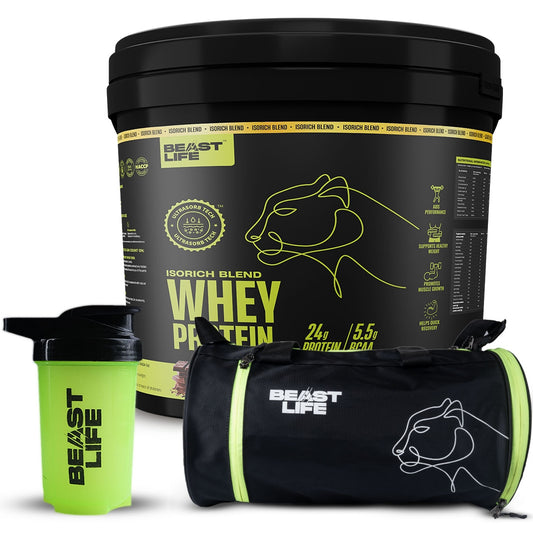 Chocolate | 3.696Kg
Isorich Blend Whey Protein with Ultrasorb Tech | Chocolate | Free Gym Bag and Shaker | 3.696 kg
Regular price ₹21,299Sale price ₹21,299 Regular priceUnit price per₹33,29436% OFFSave 36%Sale -
Performance Fermented Yeast Protein with Ultrasorb Tech | Cold Coffee | 2 kg
Regular price ₹4,499Sale price ₹4,499 Regular priceUnit price per₹5,79922% OFFSave 22%Sale -
Performance Fermented Yeast Protein with Ultrasorb Tech | Chocolate | 4 kg
Regular price ₹8,099Sale price ₹8,099 Regular priceUnit price per₹10,19920% OFFSave 20%Sale -
 Cookies & Cream | 4kg
Performance Fermented Yeast Protein with Ultrasorb Tech | Cookies & Cream | 4 kg
Regular price ₹8,099Sale price ₹8,099 Regular priceUnit price per₹11,39928% OFFSave 28%Sale -
Performance Fermented Yeast Protein with Ultrasorb Tech | Mango | 1 kg
Regular price ₹2,399Sale price ₹2,399 Regular priceUnit price per₹2,99920% OFFSave 20%Sale -
Performance Fermented Yeast Protein with Ultrasorb Tech | Malai Kulfi | 2 kg
Regular price ₹4,499Sale price ₹4,499 Regular priceUnit price per₹5,79922% OFFSave 22%Sale -
Performance Fermented Yeast Protein with Ultrasorb Tech | Chocolate | 2 kg
Regular price ₹4,499Sale price ₹4,499 Regular priceUnit price per₹5,19913% OFFSave 13%Sale -
 Cookies & Cream | 2kg
Performance Fermented Yeast Protein with Ultrasorb Tech | Cookies & Cream | 2 kg
Regular price ₹4,499Sale price ₹4,499 Regular priceUnit price per₹5,79922% OFFSave 22%Sale -
Performance Fermented Yeast Protein with Ultrasorb Tech | Mango | 4 kg
Regular price ₹8,099Sale price ₹8,099 Regular priceUnit price per₹11,39928% OFFSave 28%Sale -
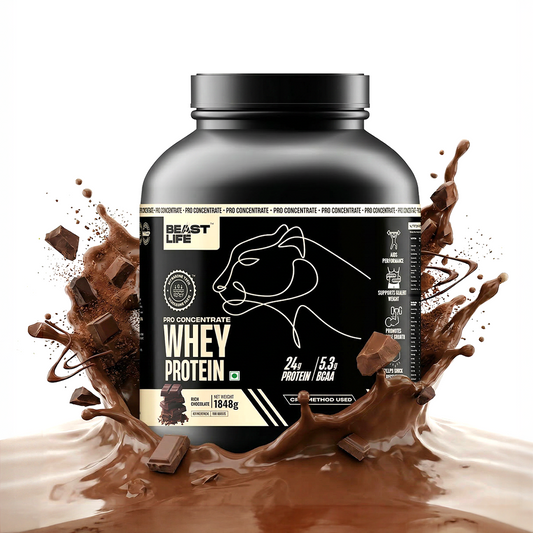 Rich Chocolate | 1.848 kg
Pro Concentrate Whey Protein with Ultrasorb Tech | Rich Chocolate | 1.848 kg
Regular price ₹9,999Sale price ₹9,999 Regular priceUnit price per₹11,99816% OFFSave 16%Sold out -
Performance Fermented Yeast Protein with Ultrasorb Tech | Malai Kulfi | 4 kg
Regular price ₹8,099Sale price ₹8,099 Regular priceUnit price per₹11,39928% OFFSave 28%Sale -
Shake & Gain Combo
Regular price ₹5,999Sale price ₹5,999 Regular priceUnit price per₹6,4987% OFFSave 7%Sale -
Isorich Blend Whey Protein with Ultrasorb Tech | Coffee | 924 g
Regular price ₹5,999Sale price ₹5,999 Regular priceUnit price per₹7,99925% OFFSave 25%Sold out -
Pro Concentrate Whey Protein with Ultrasorb Tech | Malai Kulfi | 924 g
Regular price ₹4,999Sale price ₹4,999 Regular priceUnit price per₹5,99916% OFFSave 16%Sale -
Pro Concentrate Whey Protein with Ultrasorb Tech | Mango | 1.848 kg
Regular price ₹9,999Sale price ₹9,999 Regular priceUnit price per₹11,99816% OFFSave 16%Sold out -
Pro Concentrate Whey Protein with Ultrasorb Tech | Rich Chocolate | 924 g
Regular price ₹4,999Sale price ₹4,999 Regular priceUnit price per₹5,99916% OFFSave 16%Sale -
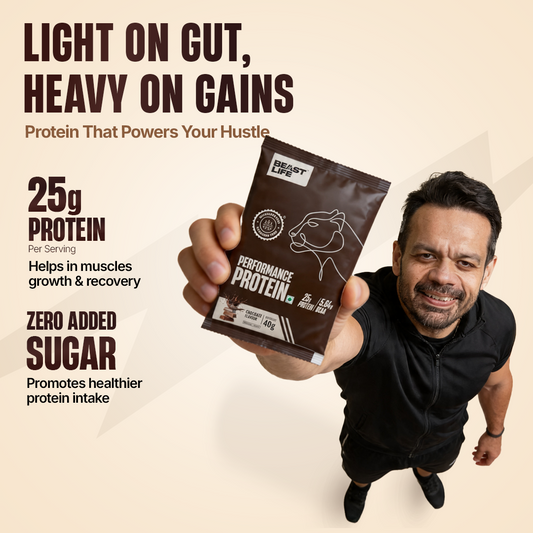 Performance Protein | Pack Of 5
Performance Fermented Yeast Protein with Ultrasorb Tech | Chocolate | Pack of 5
Regular price ₹699Sale price ₹699 Regular priceUnit price per₹79912% OFFSave 12%Sale -
 Birthday Cake | 1 kg
Performance Fermented Yeast Protein with Ultrasorb Tech | Birthday Cake | 1 kg
Regular price ₹2,399Sale price ₹2,399 Regular priceUnit price per₹2,99920% OFFSave 20%Sold out -
Performance Fermented Yeast Protein with Ultrasorb Tech | Thandai | 1 kg
Regular price ₹2,399Sale price ₹2,399 Regular priceUnit price per₹2,99920% OFFSave 20%Sale -
Performance Protein | Value Pack | Chocolate | 3 kg
Regular price ₹7,197Sale price ₹7,197 Regular priceUnit price per₹8,00710% OFFSave 10%Sale -
Performance Fermented Yeast Protein with Ultrasorb Tech | Malai Kulfi | 1 kg
Regular price ₹2,399Sale price ₹2,399 Regular priceUnit price per₹2,99920% OFFSave 20%Sale -
 Cookies & Cream | 1kg
Performance Fermented Yeast Protein with Ultrasorb Tech | Cookies & Cream | 1 kg
Regular price ₹2,399Sale price ₹2,399 Regular priceUnit price per₹2,99920% OFFSave 20%Sale -
Gym Essentials Combo | Performance Protein Chocolate Flavour + Neon Shaker
Regular price ₹2,499Sale price ₹2,499 Regular priceUnit price per₹3,16821% OFFSave 21%Sale -
Performance Protein | Value Pack | Chocolate | 2 kg
Regular price ₹4,798Sale price ₹4,798 Regular priceUnit price per₹5,99820% OFFSave 20%Sale -
Power Stack | Performance Protein with Creatine & Neon Shaker
Regular price ₹2,599Sale price ₹2,599 Regular priceUnit price per₹3,83432% OFFSave 32%Sale -
Muscle Power Combo | Performance Protein Chocolate Flavour + Creatine
Regular price ₹2,499Sale price ₹2,499 Regular priceUnit price per₹3,33525% OFFSave 25%Sale -
Pro Concentrate Whey Protein with Ultrasorb Tech | Mango | 3.696 kg
Regular price ₹19,999Sale price ₹19,999 Regular priceUnit price per₹23,99616% OFFSave 16%Sold out -
Pre Workout | Beta Alanine • Caffeine • Zero Crash | Fruit Punch | 105g
Regular price ₹499Sale price ₹499 Regular priceUnit price per₹79937% OFFSave 37%Sale -
Performance Fermented Yeast Protein with Ultrasorb Tech | Chocolate | 1 kg
Regular price ₹2,399Sale price ₹2,399 Regular priceUnit price per₹2,66910% OFFSave 10%Sale -
Performance Fermented Yeast Protein with Ultrasorb Tech | Chocolate | 500 g
Regular price ₹1,599Sale price ₹1,599 Regular priceUnit price per₹1,599Save 1% -
Pro Concentrate Whey Protein with Ultrasorb Tech | Strawberry | 924 g
Regular price ₹4,999Sale price ₹4,999 Regular priceUnit price per₹5,99916% OFFSave 16%Sold out -
Isorich Blend Whey Protein with Ultrasorb Tech | Chocolate | 3.696 kg
Regular price ₹20,999Sale price ₹20,999 Regular priceUnit price per₹31,99634% OFFSave 34%Sale -
Pro Concentrate Whey Protein with Ultrasorb Tech | Rose | 924 g
Regular price ₹4,999Sale price ₹4,999 Regular priceUnit price per₹5,99916% OFFSave 16%Sold out -
Pro Concentrate Whey Protein with Ultrasorb Tech | Rich Chocolate | 3.696 kg
Regular price ₹19,999Sale price ₹19,999 Regular priceUnit price per₹23,99616% OFFSave 16%Sale -
Pro Whey Protein | Rich Chocolate | Pack of 5 Sachets
Regular price ₹1,199Sale price ₹1,199 Regular priceUnit price per₹1,199Save 1%Sold out -
Isorich Blend Whey Protein with Ultrasorb Tech | Vanilla | 924 g
Regular price ₹5,999Sale price ₹5,999 Regular priceUnit price per₹7,99925% OFFSave 25%Sale -
Pro Whey Protein with Ultrasorb Tech | Unflavoured | 924 g
Regular price ₹5,999Sale price ₹5,999 Regular priceUnit price per₹5,999Save 1%Sold out -
Isorich Blend Whey Protein with Ultrasorb Tech | Chocolate | 924 g
Regular price ₹5,999Sale price ₹5,999 Regular priceUnit price per₹7,99925% OFFSave 25%Sale -
Performance Fermented Yeast Protein with Ultrasorb Tech | Chocolate | 6 kg
Regular price ₹10,999Sale price ₹10,999 Regular priceUnit price per₹14,99926% OFFSave 26%Sale -
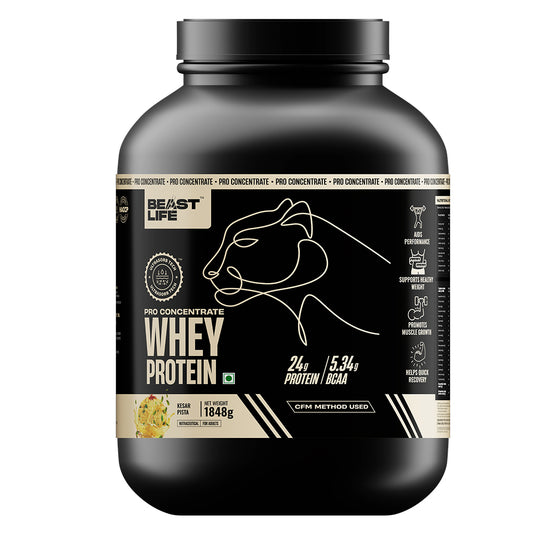 Sold outKesar Pista | 1.848 kg
Pro Concentrate Whey Protein with Ultrasorb Tech | Kesar Pista with Real Pista Flakes | 1.848 kg
Regular price ₹7,749Sale price ₹7,749 Regular priceUnit price per₹7,7981% OFFSave 1%Sold out -
 Sold out
The Pro Performance Stack
Regular price ₹12,098Sale price ₹12,098 Regular priceUnit price per₹17,33230% OFFSave 30%Sold out -
The Extreme Power Combo
Regular price ₹6,498Sale price ₹6,498 Regular priceUnit price per₹8,66525% OFFSave 25%Sale -
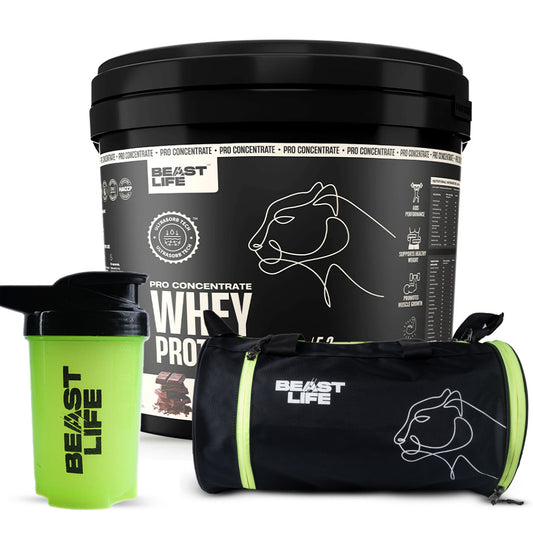 Rich Chocolate 3696g)
Pro Concentrate Whey Protein with Ultrasorb Tech | Rich Chocolate | Free Gym Bag and Shaker | 3.696 kg
Regular price ₹20,299Sale price ₹20,299 Regular priceUnit price per₹25,29419% OFFSave 19%Sale -
Pro Concentrate Whey Protein with Ultrasorb Tech | Butterscotch | 924 g
Regular price ₹4,999Sale price ₹4,999 Regular priceUnit price per₹5,99916% OFFSave 16%Sale -
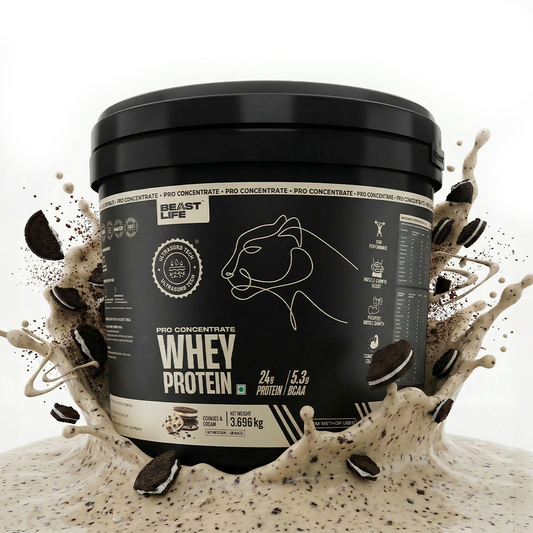 Cookies & Cream 3696g
Pro Concentrate Whey Protein with Ultrasorb Tech | Cookies & Cream | 3.696 kg
Regular price ₹20,999Sale price ₹20,999 Regular priceUnit price per₹23,99612% OFFSave 12%Sold out





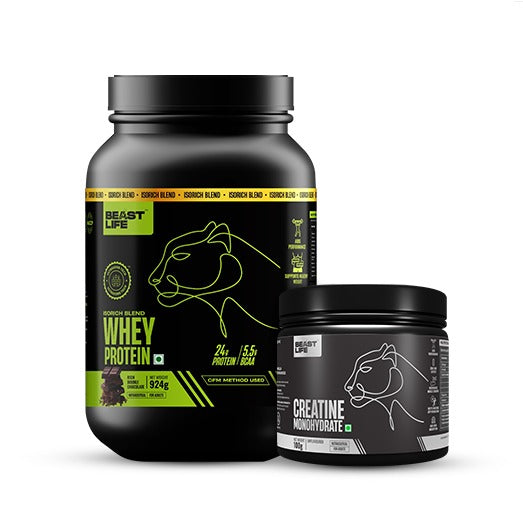

Whey Protein for Weight Gain: A 7-Step Plan to Build a Calorie Surplus You Can Stick To
You eat three full meals, add a snack or two, and the scale still shows the same number it did six months ago. For many lean gym-goers in India, the problem is not effort. It is arithmetic. Healthy weight gain needs a steady calorie surplus, and most people underestimate how much food that really takes.
That is where whey protein for weight gain becomes useful. It is not a magic powder, and it will not add weight on its own. What it does offer is a convenient, high-quality protein source that makes it easier to hit your daily targets without forcing down another plate of rice and dal. Used well, it fills gaps in your day and turns calorie-dense shakes into a two-minute job.
This plan breaks the process into seven steps. Follow them in order, track your results, and adjust based on what your own body does rather than what a generic chart says.
Step 1: Find Your Maintenance Calories
Your maintenance level is the number of calories you need to hold your current weight. A quick starting estimate for active adults is 30 to 35 calories per kg of bodyweight. A 60 kg lifter would begin somewhere near 1,800 to 2,100 calories.
Treat this as a rough guess, then test it:
-
Eat consistent portions for 10 to 14 days
-
Weigh yourself each morning after using the bathroom
-
Compare the weekly averages, not single days
-
If your weight stays flat, you have found your maintenance
Many underweight people discover that their real intake is far lower than they assumed. Tracking for even two weeks can be eye-opening.
Step 2: Add a Modest Surplus
Once you know your maintenance, add 300 to 500 calories per day. Bigger jumps feel tempting, but a very large surplus tends to add more body fat than muscle. For most beginners and intermediate lifters, a gain of roughly 0.25 to 0.5 kg per week is a sensible pace.
Results vary with age, sleep, stress, training experience and genetics, so treat these figures as a starting range, not a promise.
Step 3: Set a Protein Target
Sports nutrition research, including position statements from the International Society of Sports Nutrition, suggests 1.6 to 2.2 grams of protein per kg of bodyweight per day for people who train with resistance.
For a 65 kg person, that works out to roughly 104 to 143 grams daily. Typical Indian vegetarian diets often fall well short of this, especially when meals are dominated by rice and rotis. Work out your own range and write it down where you will see it.
Step 4: Use Whey to Close the Protein Gap
Add up the protein from your regular food. The difference between that total and your target is the gap whey can fill. One standard scoop typically delivers around 20 to 25 grams of protein, though you should always check the label of the specific product you buy.
Whey has several practical advantages:
-
It contains all nine essential amino acids
-
It is naturally rich in leucine, which plays a key role in muscle protein synthesis
-
It digests quickly and mixes in seconds
-
It is easy to carry, measure and prepare
If you are looking for a place to start, the beast whey protein range offers options built for everyday training use.
Concentrate or Isolate for Weight Gain?
Concentrate usually contains a little more carbohydrate and fat per serving, which means a few extra calories, and it is often more affordable. Isolate is filtered further, so it is leaner and may sit better with sensitive stomachs. If digestion is your main concern, look at whey protein isolate 1kg packs.
For pure weight gain, either type works. Your total calorie intake decides the outcome far more than the type of whey you choose.
Step 5: Build Calorie-Dense Shakes
Water and whey alone make a lean drink of roughly 120 calories. To support weight gain, upgrade the base. Here are three easy combinations:
-
Banana peanut butter shake: 1 scoop whey, 1 banana, 1 tablespoon peanut butter, 300 ml full-fat milk and 30 g oats. Roughly 550 to 650 calories, depending on brands and portions.
-
Date and almond shake: 1 scoop whey, 4 soaked dates, 8 almonds and 300 ml milk. Roughly 450 to 500 calories.
-
Chocolate oats shake: 1 scoop chocolate whey, 40 g oats, 1 tablespoon cocoa, 1 banana and 300 ml milk. Roughly 550 calories.
Blend instead of shaking for a smoother texture, especially when oats are involved. These calorie figures are estimates, so check the labels on your own ingredients.
Step 6: Time Your Shakes Around Real Meals
Shakes work best as additions to your diet, not replacements for it. A simple schedule looks like this:
-
Mid-morning: a shake between breakfast and lunch
-
Post-workout: a shake within a couple of hours of training
-
Before bed: a lighter shake if your appetite is low in the evening
Liquid calories are easier to drink than to chew, which helps people with small appetites. Do not skip actual meals, though. Whole foods bring fibre, vitamins and minerals that powder cannot replace.
Step 7: Track, Review and Adjust
Every two weeks, review your average body weight and make one change at a time.
-
If your weight has not moved, add 150 to 200 calories, often by adding a tablespoon of nut butter or an extra banana to a shake
-
If you are gaining faster than 0.5 kg per week, trim your intake slightly
-
If your waist is growing faster than your strength, reduce the surplus
Strength training should accompany this plan; otherwise, a larger share of the weight you gain may be body fat. If your focus is leaner muscle building rather than overall mass, read our guide to the best whey protein for muscle gain to fine-tune your choice.
Common Mistakes That Stall Weight Gain
Most plateaus come from a handful of avoidable habits:
-
Relying only on shakes and eating fewer real meals
-
Making shakes with water when you need calories
-
Changing the plan every week instead of waiting two weeks for data
-
Ignoring sleep, which affects both appetite and recovery
-
Expecting results without lifting weights
-
Buying a large tub before checking that the flavour and texture suit you
If any of these sound familiar, fix that one habit first before changing anything else.
Quality and Safety Notes
Choose a product with a valid FSSAI licence, a visible batch number and a clear nutrition panel. Drink enough water throughout the day. If you have a kidney condition, are pregnant or breastfeeding, or take regular medication, speak to your doctor before adding a protein supplement to your routine.
Your Next Move
Weight gain is a slow, slightly boring project, and that is exactly why it works. Pick your calorie target, fill your protein gap with a shake you enjoy, and check the scale every two weeks. Small, repeatable habits beat dramatic overhauls every time.
Frequently Asked Questions
Can whey protein alone make me gain weight?
No. Weight gain needs a calorie surplus overall. Whey helps by making it easier to reach your protein and calorie targets.
How many scoops should I take per day?
One to two scoops suits most people, depending on how much protein your regular food already provides.
Should I mix whey with milk or water?
Milk adds calories and protein, so it suits weight gain. Water works if your calories are already high enough.
How long before I see a change on the scale?
Many people notice movement within three to four weeks of consistent eating and training, though this varies from person to person.
Is concentrate or isolate better for weight gain?
Either works. Concentrate is usually more affordable and slightly higher in calories, while isolate is leaner and may be gentler on digestion.
Will whey protein make me gain fat instead of muscle?
Fat gain comes from consistently eating far more calories than you need. A moderate surplus combined with strength training helps keep gains leaner.