

-
Pro Concentrate Whey Protein with Ultrasorb Tech | Rich Chocolate | 924 g
Regular price ₹4,999Sale price ₹4,999 Regular priceUnit price per₹5,99916% OFFSave 16%Sale -
Isorich Blend Whey Protein with Ultrasorb Tech | Chocolate | 924 g
Regular price ₹6,499Sale price ₹6,499 Regular priceUnit price per₹7,99918% OFFSave 18%Sale -
 Rich Chocolate | 1.848 kg
Pro Concentrate Whey Protein with Ultrasorb Tech | Rich Chocolate | 1.848 kg
Regular price ₹9,799Sale price ₹9,799 Regular priceUnit price per₹11,99818% OFFSave 18%Sold out -
Isorich Blend Whey Protein with Ultrasorb Tech | Chocolate | 1.848 kg
Regular price ₹11,499Sale price ₹11,499 Regular priceUnit price per₹15,99828% OFFSave 28%Sold out -
Pro Concentrate Whey Protein with Ultrasorb Tech | Rich Chocolate | 3.696 kg
Regular price ₹18,999Sale price ₹18,999 Regular priceUnit price per₹23,99620% OFFSave 20%Sale -
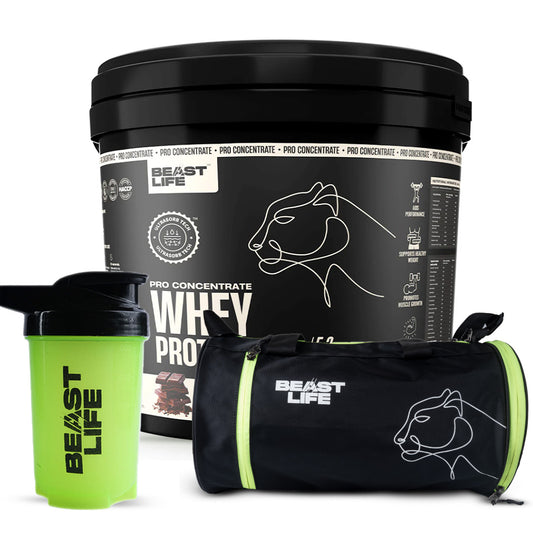 Rich Chocolate 3696g)
Pro Concentrate Whey Protein with Ultrasorb Tech | Rich Chocolate | Free Gym Bag and Shaker | 3.696 kg
Regular price ₹19,913Sale price ₹19,913 Regular priceUnit price per₹25,29421% OFFSave 21%Sale -
Isorich Blend Whey Protein with Ultrasorb Tech | Chocolate | 3.696 kg
Regular price ₹18,999Sale price ₹18,999 Regular priceUnit price per₹19,5963% OFFSave 3%Sale -
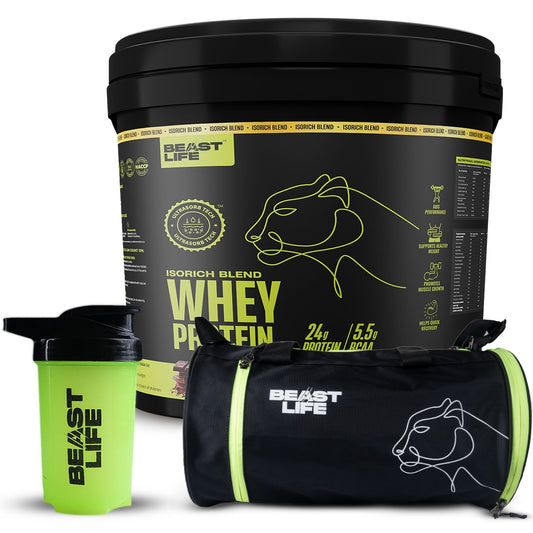 Chocolate | 3.696Kg
Isorich Blend Whey Protein with Ultrasorb Tech | Chocolate | Free Gym Bag and Shaker | 3.696 kg
Regular price ₹19,913Sale price ₹19,913 Regular priceUnit price per₹20,8944% OFFSave 4%Sale -
 Rich Chocolate | 35g
Pro Concentrate Whey Protein with Ultrasorb Tech | Rich Chocolate | Sachet | 35 g
Regular price ₹159Sale price ₹159 Regular priceUnit price per₹1591% OFFSave 1%Sold out -
 Chocolate
The Beast Box | Pro Whey Protein Rich Chocolate + Creatine Monohydrate + Gym Bag & Shaker
Regular price ₹2,109Sale price ₹2,109 Regular priceUnit price per₹3,49939% OFFSave 39%Sold out -
Performance Yeast Whey Protein Blend | Chocolate | 1kg
Regular price ₹3,599Sale price ₹3,599 Regular priceUnit price per₹3,5991% OFFSave 1% -
 Nano + Whey Protein
Combo pack | Creatine Nano 400 | Unflavoured | 100 g + Pro concentrate whey protein | Rich chocolate | 924 g
Regular price ₹5,598Sale price ₹5,598 Regular priceUnit price per₹6,89818% OFFSave 18%Sale -
 Nano + Isorich
Combo pack | Creatine Nano 400 | Unflavoured | 100 g + Isorich Blend whey protein | Rich Double Chocolate | 924 g
Regular price ₹7,098Sale price ₹7,098 Regular priceUnit price per₹8,89820% OFFSave 20%Sale -
 Sold outNano + Whey Protein
Combo pack | Creatine Nano 400 | Shikanji | 115 g + Pro Conc. whey protein | Rich chocolate | 924 g
Regular price ₹5,598Sale price ₹5,598 Regular priceUnit price per₹4,898-15% OFFSave -15%Sold out -
 Nano + Isorich
Combo pack | Creatine Nano 400 | Shikanji | 115 g + Isorich blend whey protein | Rich Double Chocolate | 924 g
Regular price ₹7,098Sale price ₹7,098 Regular priceUnit price per₹8,89820% OFFSave 20%Sold out -
 Nano + Whey Protein
Combo pack | Creatine Nano 400 | Shikanji | 305 g + Pro concentrate whey protein | Rich chocolate | 1.848 kg
Regular price ₹10,998Sale price ₹10,998 Regular priceUnit price per₹9,797-13% OFFSave -13%Sold out -
 Nano + Isorich
Combo pack | Creatine Nano 400 | Shikanji | 305 g + Isorich Blend whey protein | Rich Double chocolate | 1.848 kg
Regular price ₹12,698Sale price ₹12,698 Regular priceUnit price per₹17,99829% OFFSave 29%Sold out -
 Nano + Whey Protein
Combo pack | Creatine Nano 400 | Unflavoured | 250 g + Pro concentrate whey protein | Rich chocolate | 1.848 kg
Regular price ₹10,998Sale price ₹10,998 Regular priceUnit price per₹13,99721% OFFSave 21%Sold out


Chocolate Whey Protein Powder in India: What It Is, What It Does, and How to Choose
Chocolate whey protein powder is the single most popular supplement category in the Indian sports nutrition market, and for good reason. It solves two real problems simultaneously: it closes the significant protein gap between what the Indian diet typically provides and what active adults actually need, and it does so in a format palatable enough to consume every day without losing motivation. This guide covers the science behind it, the quality criteria that matter in India's specific market context, how to use it correctly, and what differentiates an effective product from a mediocre one at the same price point.
What Is Chocolate Whey Protein Powder?
Whey protein powder is produced from liquid whey, a byproduct of cheese manufacturing. The whey is filtered to remove non-protein components, then spray-dried into a fine powder. This powder is one of the most nutritionally complete and rapidly absorbed protein sources available in any dietary format, with a PDCAAS (Protein Digestibility-Corrected Amino Acid Score) of 1.0 and a leucine content high enough per serving to reliably trigger muscle protein synthesis.
Chocolate flavouring is added through a formulation system involving cocoa-derived compounds, a sweetener, and an emulsifier to aid dissolution. The interaction between the flavour system and the underlying protein quality is what determines whether the final product tastes good and remains palatable over weeks of daily consumption.
Why Chocolate Is the Right Flavour Choice for Daily Supplementation in India
The principle is straightforward: the best protein powder is the one you take consistently. Chocolate is the flavour that most consistently maintains its appeal across daily consumption over months. Vanilla can become monotonous. Mango can feel seasonally inappropriate. Unflavoured works in cooking but rarely works as a standalone shake. Chocolate maintains its palatability across seasons, meal contexts, and preparation methods in a way that no other protein flavour consistently does.
For the Indian consumer specifically, the richness of chocolate protein powder aligns well with the sweet milk-based beverage tradition in Indian food culture. Mixed with cold milk, a chocolate whey protein shake is not structurally different from a thick chocolate milk, a format that already exists comfortably in the Indian diet. This familiarity reduces the psychological friction of adopting a daily supplement habit, which makes it more sustainable long-term.
Nutritional Profile of Chocolate Whey Protein Powder
A quality chocolate whey protein powder delivers per 30 to 35 g serving:
Protein: 22 to 27 g depending on product type (concentrate, blend, or isolate).
Carbohydrates: 2 to 5 g for a concentrate, 1 to 3 g for an isolate or blend.
Fat: 1 to 4 g for a concentrate, 0.5 to 2 g for an isolate.
Calories: 110 to 150 depending on type and serving size.
Leucine: approximately 2.3 to 3.0 g, the key amino acid for muscle protein synthesis.
These macronutrients are provided in a format that your body absorbs significantly faster than the same quantities from food. Whey protein reaches peak blood amino acid concentrations within 60 to 90 minutes of consumption, which is why post-workout timing is so effective for muscle recovery and growth.
Types of Chocolate Whey Protein Powder
Chocolate whey protein concentrate powder
The most common format. Delivers 70 to 80 percent protein by weight. Retains some fat and lactose, which improves flavour and mixability. Best choice for active adults without lactose sensitivity who are in a building or maintenance phase. The fat content is what gives chocolate concentrate its distinctively creamy texture.
Chocolate whey protein isolate powder
Delivers 90 percent or more protein by weight after additional filtration. Lower fat and lactose than concentrate. Lighter in texture, slightly less creamy as a shake. Best for those managing calories precisely in a fat-loss phase, those with moderate lactose sensitivity, or advanced trainees seeking the highest possible protein concentration per calorie consumed.
Chocolate whey protein blend powder
A combination of concentrate and isolate in varying ratios. Sits between the two formats in both protein percentage and price. This is the format that most quality Indian brands are moving toward for their premium chocolate products, because it balances absorption speed, protein density, digestive tolerance, and cost more effectively than either format alone.
How to Evaluate a Chocolate Whey Protein Powder in India
Protein percentage test
This is the single most important calculation you can do before buying. Divide the protein content in grams by the serving size in grams. Multiply by 100. A legitimate chocolate concentrate should score 70 to 80 percent. A blend should score 75 to 88 percent. An isolate should score 85 to 92 percent.
If a chocolate protein powder delivers 24 g of protein from a 40 g serving, that is only 60 percent protein by weight. The additional 16 g is filler: carbohydrates, thickeners, flavouring mass, or cheaper amino acids being used to bulk out the scoop.
Ingredient list red flags in chocolate products
Cocoa powder or chocolate flavour: fine and expected.
Maltodextrin or dextrose as a primary ingredient: signals that carbohydrates are being used as filler to add weight without adding protein.
"Protein complex" or "amino acid blend" without disclosed individual weights: often indicates amino acid spiking where cheaper free-form amino acids inflate the nitrogen content without providing the muscle-building value of whey-sourced protein.
Ingredient lists longer than eight to ten items: usually indicates compensatory formulation to cover for a lower-quality base protein.
Mixability as a quality signal
A quality chocolate whey protein powder should dissolve completely in 200 to 250 ml of cold water within 15 to 20 seconds of shaking in a standard shaker bottle. Residual powder floating on the surface, excessive foam that does not settle, or gritty texture after mixing are all signals of poor emulsification, which often correlates with poor raw material quality.
Chocolate Whey Protein Powder for Muscle Gain in India
The research on protein and muscle gain is consistent: active adults engaged in resistance training need 1.6 to 2.2 g of protein per kilogram of body weight daily to support meaningful muscle gain. For a 65 kg Indian person, that is 104 to 143 g per day. For a 70 kg person, it is 112 to 154 g. The average Indian diet provides 45 to 60 g, leaving a gap of 50 to 90 g that most vegetarian Indians cannot close through food alone without impractical dietary restructuring.
One to two scoops of chocolate whey protein powder covers 44 to 54 g of that gap efficiently and palatably. Consumed post-workout in cold water or milk, it delivers the leucine trigger for muscle protein synthesis at the moment when muscle tissue is most receptive to it.
For those building serious muscle mass and finding that protein alone is not enough to drive weight gain, pairing a daily chocolate protein shake with a mass gainer addresses the calorie shortfall that whey alone cannot fill. When the goal is lean muscle addition without excessive fat gain, combining the chocolate shake with BeastLife's best lean mass gainer provides both protein density and controlled caloric surplus in a format better suited to body composition goals than a standard high-calorie gainer.
Chocolate Whey Protein Powder for Fat Loss
During a calorie deficit, chocolate whey protein powder is one of the most practically useful dietary tools available. It contributes to three mechanisms that make fat loss more effective and sustainable:
High protein intake during a deficit preserves lean muscle mass, which prevents the metabolic slowdown that occurs when dieting causes muscle loss alongside fat loss.
Protein has the highest thermic effect of the three macronutrients, meaning your body expends more calories digesting protein than it does digesting the same caloric amount of carbohydrate or fat.
Chocolate specifically satisfies sweet cravings at a low calorie cost. A chocolate whey protein shake at 120 to 140 calories genuinely satisfies the same impulse that a chocolate biscuit or dessert would address at two to three times the caloric cost, which makes calorie-controlled eating more sustainable.
The isolate or blend format is more appropriate for fat loss than concentrate, because the lower fat and carbohydrate content means more of the calories in each serving are coming from protein.
How to Use Chocolate Whey Protein Powder Correctly
Mix one 30 to 35 g scoop with 200 to 250 ml of cold water or low-fat milk. Shake for 15 to 20 seconds. Cold water produces the cleanest, fastest-absorbing shake. Milk produces a creamier, more filling shake with additional protein and calories. The latter is better for a building phase, the former for a cutting phase.
Consume within 30 to 60 minutes after resistance training for post-workout recovery. On rest days, use it as a between-meal protein supplement to maintain daily protein distribution rather than concentrating intake at dinner, which is the default pattern for most Indian eating schedules.
Do not mix with hot liquid. Store in a cool, dry place. In Indian summer conditions, particularly in high-humidity environments, a tub stored on a kitchen counter can degrade faster than the stated shelf life suggests. A drawer or cabinet at room temperature is safer.
India-Specific Considerations for Chocolate Whey Protein Powder
Indian consumers face a specific set of challenges with protein supplements that Western market guidance does not address.
Lactose sensitivity is more prevalent in the South Asian population than in European populations. Chocolate concentrate products with standard lactose content can cause bloating and discomfort for a meaningful proportion of Indian users. A chocolate blend with reduced lactose, or a product specifically formulated with a digestive-compatibility technology, reduces this risk significantly.
The Indian supplement market has documented quality issues around amino acid spiking and mislabelling. This makes the protein percentage calculation and third-party lab testing transparency especially important for Indian buyers rather than optional verification steps.
The flavour systems used in many imported chocolate protein products were formulated for Western palate preferences: typically sweeter, with a heavier vanilla-cocoa combination that can feel too rich or too sweet for daily consumption in the Indian context. Domestic brands that develop their chocolate flavour systems specifically for Indian taste preferences tend to produce products with better long-term palatability for their primary market.
Frequently Asked Questions
Q: What is the best chocolate whey protein powder in India?
The best chocolate whey protein powder in India is the one that delivers 70 percent or more protein by weight for a concentrate or 85 percent or more for an isolate or blend, uses a disclosed quality raw material source, publishes independent lab testing data, has a clean and short ingredient list, and tastes good enough to consume without flavour fatigue across months of daily use. Third-party lab testing transparency is the most important quality signal in India specifically, where self-reported nutritional information is not independently regulated.
Q: Does chocolate flavouring reduce the effectiveness of whey protein powder?
No. The flavouring components, cocoa extract, sweetener, and emulsifier, make up a small fraction of the total serving weight. They do not meaningfully affect the amino acid profile or the absorption rate of the protein. The protein quality is determined entirely by the raw material source and processing method, not by the flavour system.
Q: How much chocolate whey protein powder should I take per day?
One to two scoops per day is appropriate for most active adults. Calculate your total daily protein target using your body weight and goal. Measure your current food-based protein intake for a week. Supplement the gap between the two. For most Indian gym-goers, one to two scoops per day closes the shortfall without exceeding the daily target.
Q: Can chocolate whey protein powder be used in Indian cooking?
Yes. Chocolate whey protein powder can be mixed into dahi with honey, blended into a banana-milk smoothie, stirred into oats, or used to protein-fortify homemade laddus or barfi recipes using unsweetened versions. The key constraint is temperature: do not add it to preparations being heated above 60 degrees Celsius, as this denatures the protein. Add it to cooled or room-temperature preparations after cooking.
Q: Is chocolate whey protein powder safe during pregnancy?
This falls outside the scope of general supplementation advice. Pregnant individuals should consult an obstetrician or registered dietitian before using any protein supplement. General protein requirements during pregnancy are elevated, but the appropriate sources and amounts should be determined by a healthcare provider based on individual circumstances.
Q: What is the difference between chocolate whey protein powder and a chocolate mass gainer?
Chocolate whey protein powder is a high-protein, moderate-calorie product delivering 120 to 150 calories and 22 to 27 g of protein per serving. A chocolate mass gainer delivers 400 to 1,200 calories per serving, primarily from carbohydrates with added protein. They serve entirely different functions. Whey powder increases protein intake. A mass gainer increases total caloric intake to support weight and muscle gain in hard-gainers or those in a deliberate bulk phase.