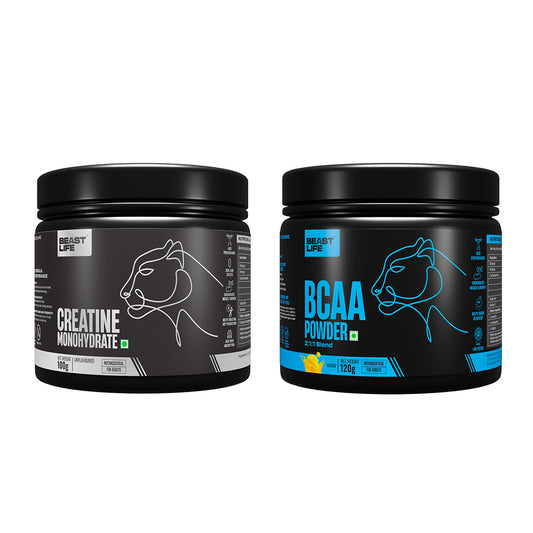
BCAA and Creatine Together: How to Decide What You Actually Need and in What Order
Here is the conversation that happens in every gym:
"I take BCAAs and creatine." "Do you need both?" "I think so?"
This stack is extremely common. It is also one of the least questioned combinations in recreational supplement use. Most people start taking both because they seem complementary, or because they came in a bundle deal, or because someone at the gym recommended both without explaining why.
This guide does something different. It starts with the question of priority: which of these two supplements should you buy first if you have a limited budget? And when does it actually make sense to use both?
What Each Supplement Does (and Does Not Do)
Before you can make a smart decision about stacking BCAAs and creatine, you need an accurate model of what each one actually contributes.
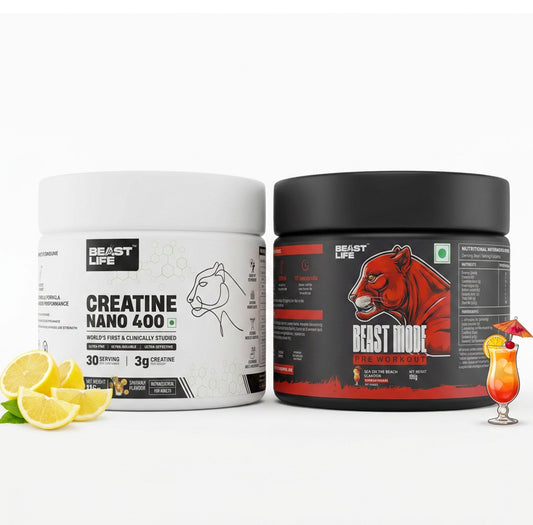
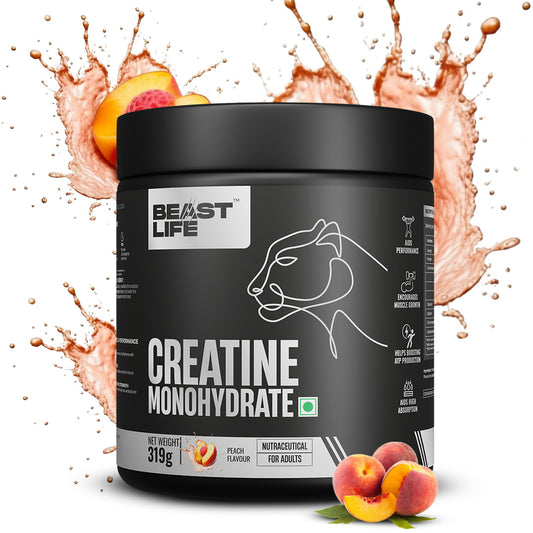
What Creatine Does
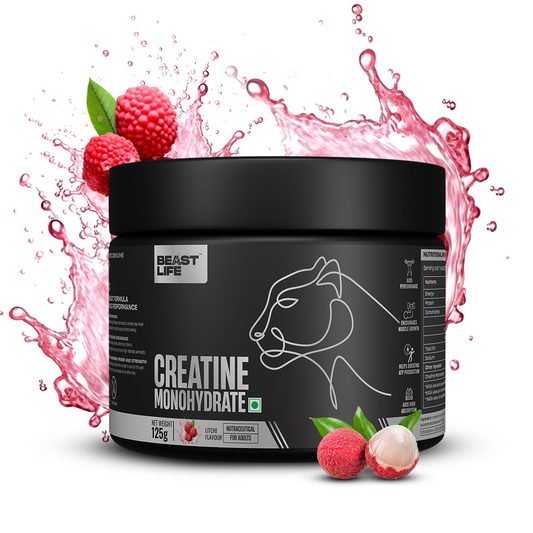
Creatine raises muscle phosphocreatine stores. This extends the capacity of the ATP-PCr energy system during high-intensity, short-duration efforts. The practical results:
- More reps at a given weight before failure
- Marginally faster recovery between sets
- Greater training volume over time
- Slight increase in intramuscular water content
Creatine's benefits are performance-focused and accumulate over weeks of consistent supplementation. They apply during training, not specifically during recovery from it.
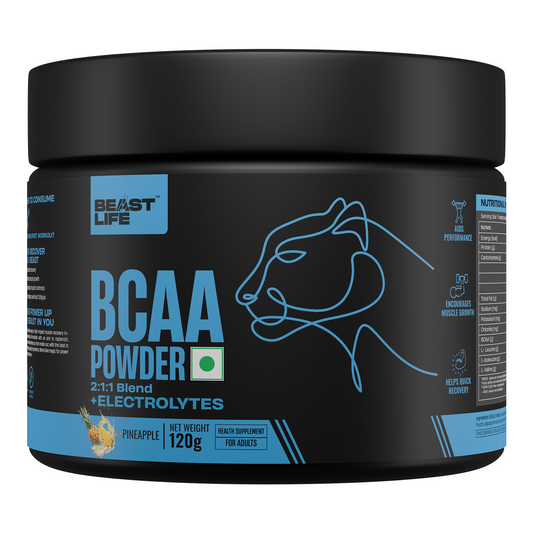
What BCAAs Do
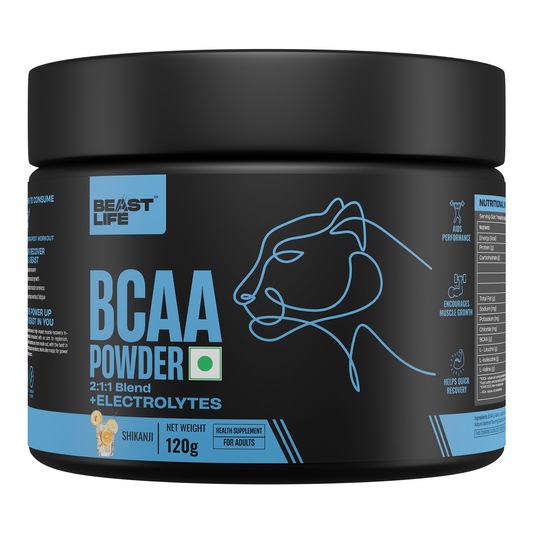
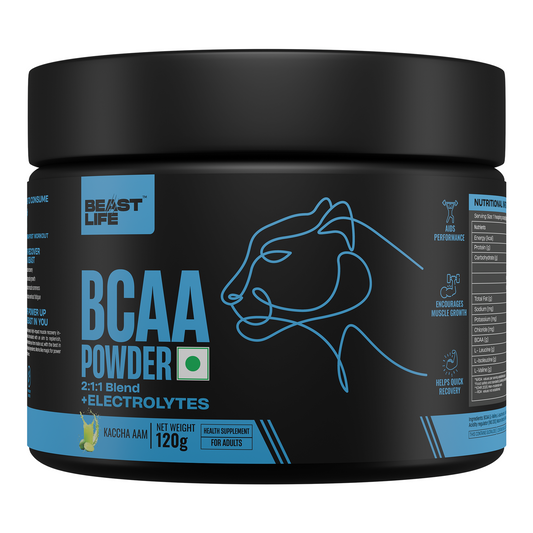
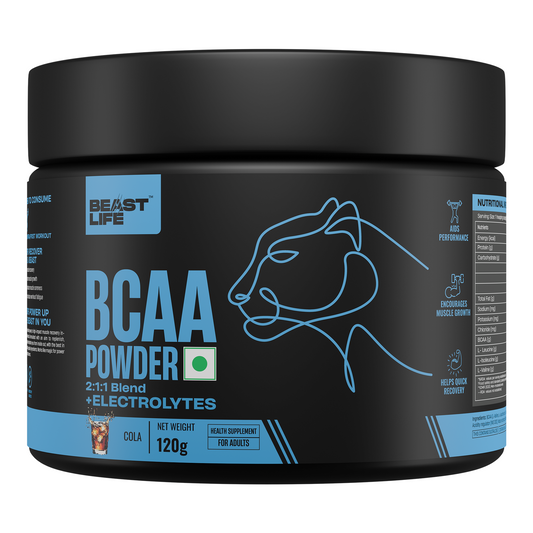
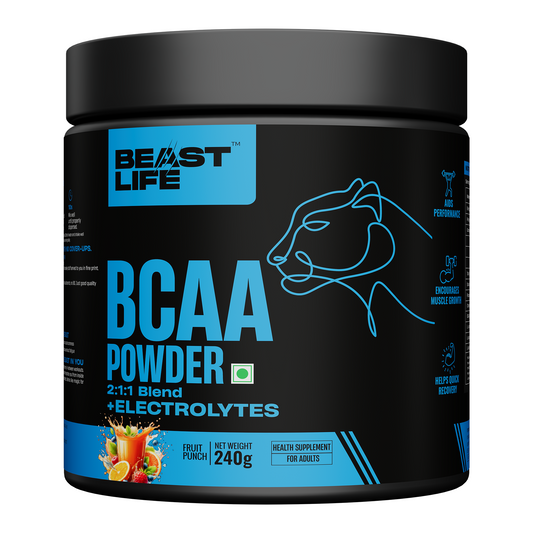
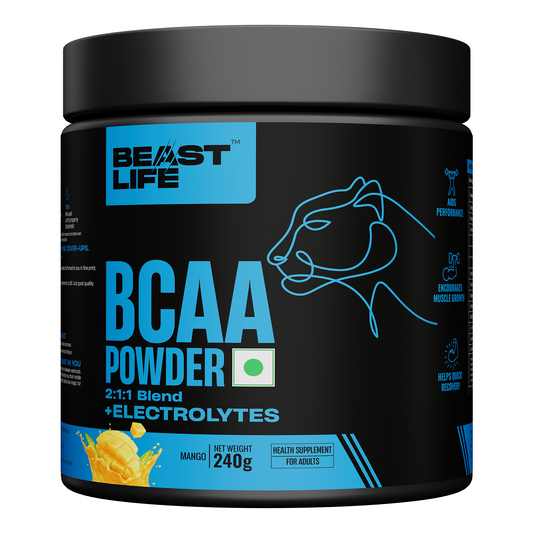
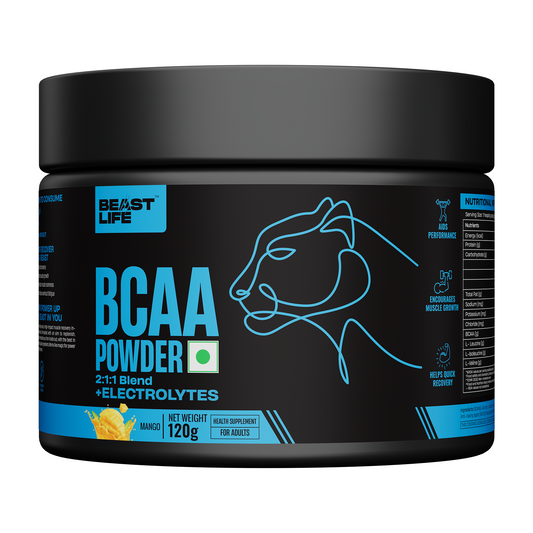
BCAAs (branched-chain amino acids: leucine, isoleucine, valine) are three of the nine essential amino acids. They are found in complete protein sources, including whey protein, eggs, and meat. Supplemental BCAAs provide these three amino acids in isolated form without the full protein matrix.
The primary use case for BCAA supplementation is:
- Providing leucine as a trigger for muscle protein synthesis signalling during fasted training or low-protein dietary conditions
- Reducing exercise-induced muscle protein breakdown during prolonged sessions
- Supporting recovery when total daily protein intake is insufficient
BCAAs do not raise phosphocreatine stores. They do not directly improve explosive power or strength performance. Their mechanism is protein synthesis and anti-catabolism, not energy system support.
The Honest Priority Framework: Which Should You Buy First?
This depends entirely on your current diet and training context.
Buy Creatine First If:
- You are already meeting your daily protein target (1.6 to 2.2g per kg of bodyweight) from food and/or a protein supplement
- Your training is resistance-focused (weights, compound lifts, power-based work)
- Your goals include strength improvement or lean muscle development
- Your budget is limited, and you need one supplement to work with
In this scenario, your protein needs are already covered. Adding creatine targets the energy system gap that diet cannot fill. BCAAs become redundant when you already have complete protein intake.
Buy BCAAs First (or Instead) If:
- You train in a fasted state or in the early morning before your first meal
- Your total daily protein intake is below the recommended range
- You are in a caloric deficit and are concerned about muscle protein breakdown during long sessions
- You do prolonged training sessions exceeding 90 minutes, where mid-session catabolism is a real factor
In this scenario, your protein synthesis signalling may be inadequate during the training window. BCAAs patch this gap more directly than creatine would.
When Using Both Makes Sense
The stack is most justified when:
- You train fasted and want both intra-session amino acid support and post-session creatine-supported recovery
- You are in a caloric deficit (cutting phase), where both muscle retention and training performance need support
- Your sessions are long (90 minutes or more) with both strength and conditioning components
- Your total supplement budget comfortably accommodates both without compromising food quality
Timing Strategy When Stacking Both
If you decide the stack is appropriate for your situation, here is a practical timing approach:
Intra-workout (during training):
- BCAAs: 5 to 10g dissolved in your training water, sipped throughout the session
- This provides leucine availability during the session itself
Post-workout (within 30 to 60 minutes after training):
- Creatine: 3 to 5g with your post-training protein shake
- This consolidates your recovery window into a single practical serving
Rest days:
- Creatine: 3 to 5g at any convenient time (morning with breakfast is easy to remember)
- BCAAs: Not necessary on non-training days if you are meeting protein targets from whole foods and protein supplements
The Case Against the Stack (For Most Recreational Gym-Goers)
If you are training 3 to 4 times per week, not training fasted, and consuming 120 to 180g of protein per day from food and a whey supplement, supplemental BCAAs add very little to your outcomes. The amino acids you need are already in your diet in full, complete protein form with better bioavailability and a more complete amino acid profile than isolated BCAAs.
In this scenario, spending budget on BCAAs is spending money on amino acids you already have in abundance. That budget is better directed toward food quality, a larger creatine supply, or a higher-quality protein powder.
If you are looking for a protein source that already contains a strong BCAA profile naturally (particularly leucine), whey protein isolate 1kg options provide substantial leucine content per serving without requiring a separate BCAA purchase.
Common Stacking Mistakes to Avoid
-
Double-dosing BCAAs while also having a protein shake: Redundant at best, unnecessary cost at worst
-
Using BCAAs as a meal replacement: They are not a complete protein source and do not replace the full amino acid matrix of a whole food meal
-
Stopping creatine on days you take BCAAs: Creatine requires daily consistency regardless of other supplements taken
-
Buying flavoured BCAAs with very high sugar content: Check the label; some BCAA products have more sugar than active amino acids
-
Taking creatine only on training days: Muscle creatine saturation requires daily intake, not just training-day intake
Building a Clean, Evidence-Based Stack
The simplest version of an effective stack for most gym-goers, in priority order:
-
Food: Complete protein from whole food sources, adequate calories for your goal
-
Protein supplement (whey): Closes the dietary protein gap conveniently
-
Creatine monohydrate: Targets the energy system gap that food cannot fill
-
BCAAs: Only if fasted training, extended sessions, or a caloric deficit make them specifically relevant
For the protein foundation of this stack, beast whey protein options combined with consistent creatine use cover most training goals cleanly without unnecessary complexity.
FAQs: BCAA and Creatine
Q1: Can you take BCAAs and creatine at the same time?
Yes. They have different mechanisms and do not interfere with each other. You can mix them in the same shake if convenient.
Q2: Is creatine more important than BCAAs?
For most people who already meet protein targets, yes. Creatine fills an energy system gap that diet cannot fill. BCAAs fill a protein gap that whole foods or a protein supplement can fill more completely.
Q3: Do BCAAs break a fast?
Technically, yes, BCAAs contain calories and trigger an insulin response. For strict intermittent fasting, this matters. For training performance, the anti-catabolic benefit during a fasted session generally outweighs the fast-breaking concern.
Q4: How many grams of BCAAs should I take per session?
5 to 10g per session is the commonly used range. Products vary in leucine:isoleucine:valine ratio; a 2:1:1 ratio is the most studied.
Q5: Can beginners take both BCAA and creatine from day one?
Yes, both are safe for beginners. However, beginners benefit more from prioritising total daily protein intake first. Get food and a basic protein supplement right before layering in additional supplements.
Q6: Is there any supplement that replaces both BCAAs and creatine?
No single supplement replicates both mechanisms. Whole protein plus creatine is the closest practical combination, covering both amino acid and energy system needs.
 🎁 1 Lucky Winner Gets an iPhone Duo 📱


 Lowest Price
  Free
Free