
Best Vegetarian Protein Sources in India
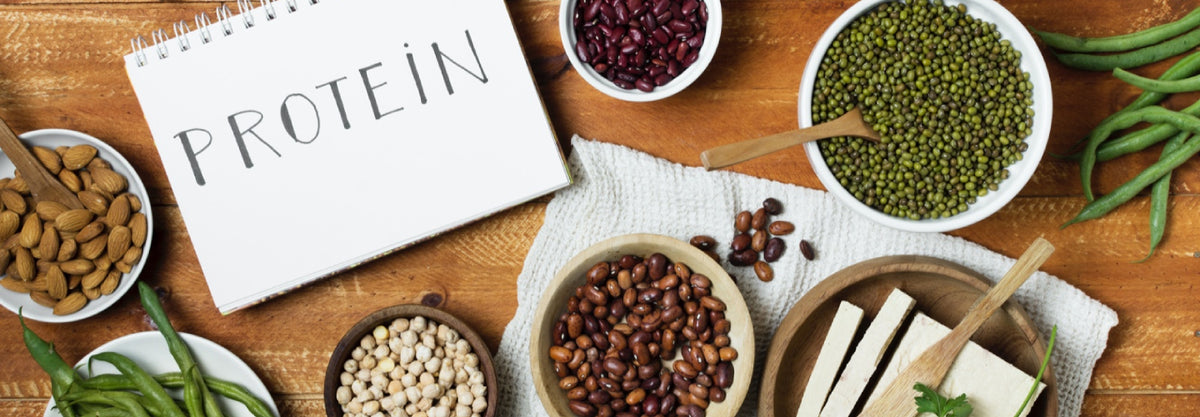
You already eat dal, paneer, and chana, and you have probably heard the "vegetarians can't build muscle" jokes at the gym. What most gym-goers miss is the gap between eating protein-rich food and actually hitting a muscle-building target, and Indian survey data suggests that gap is wide. In this guide, we'll explain the best vegetarian protein sources, how much you really need, and how to close the gap without cooking six extra meals.
Overview
-
Vegetarian protein sources include pulses, soy, dairy, nuts, seeds and protein powders such as whey and pea protein.
-
Indian vegetarian diets are the most protein-short: 84% fell below requirements in a 2017 IMRB survey, versus 65% of non-vegetarian diets.
-
Lifters generally need 1.4-2.0 g of protein per kg of body weight daily, according to the International Society of Sports Nutrition.
-
Dal with rice or rajma with roti combines cereal and pulse proteins into a more complete amino acid profile.
-
Pea protein matched whey for muscle-thickness gains in a 12-week trial of 161 men.
-
BeastLife Hydrolyzed Pea Protein provides 30 g of plant protein per serving, and Pro Concentrate Whey provides 24 g from milk.
-
Protein powder fills gaps in a vegetarian diet; it does not replace dal, sabzi and curd.
What Are Vegetarian Protein Sources?
Vegetarian protein sources are meat-free foods and supplements that supply the amino acids your body uses to build and repair muscle. In India they fall into four groups: pulses and legumes (rajma, chana, moong, masoor), soy products (soya chunks, tofu, tempeh), dairy (paneer, curd, milk, whey), and nuts and seeds. Plant foods differ in which essential amino acids they lack. Cereals are low in lysine, and pulses are low in methionine, so traditional pairings like dal-chawal work because each fills the other's gap. Protein powders sit in the same family: whey is milk-derived, and pea protein is plant-derived.
Why Vegetarian Protein Matters for Indian Athletes
Vegetarian protein matters because the typical Indian diet already runs short, and weight training raises the requirement further. A survey of 1,800 people found 73% of Indian diets were protein deficient, and 93% of respondents did not know their daily requirement. Source: IMRB, 2017. India's official RDA is 0.83 g per kg of body weight per day. Source: ICMR-NIN, 2020. But people who lift are advised to eat 1.4-2.0 g per kg. Source: International Society of Sports Nutrition, 2017.
For a 70 kg lifter, that means roughly 98-140 g of protein daily, which is hard to reach on dal and sabzi alone. This gap is where a scoop of BeastLife Pro Concentrate Whey (24 g protein, 5.34 g BCAAs) or BeastLife Hydrolyzed Pea Protein (30 g protein) earns its place. Every batch is NABL lab-tested, and the reports are public, which matters when fake supplements worry you.
The Best Vegetarian Protein Sources for Muscle Gain
Pulses and Legumes
Pulses and legumes are the foundation of vegetarian protein, with about 18 g of protein per cup of cooked lentils and about 15 g per cup of cooked chickpeas. Source: USDA FoodData Central, 2024. Rajma, chana, moong and masoor also bring fibre, iron and slow-digesting carbohydrates, so they suit both bulking and cutting phases. Pair them with rice or roti for a more balanced amino acid profile.
Soy, Paneer, and Curd
Soy products, paneer, and curd are the most concentrated everyday vegetarian protein foods. Dry soya chunks contain roughly 50 g of protein per 100 g (Source: USDA FoodData Central, 2024) while paneer and curd add protein, calcium and leucine-rich milk proteins. Rotate them across the week rather than relying on one source.
Nuts and Seeds
Nuts and seeds are protein boosters rather than main sources. Almonds provide about 21 g of protein per 100 g (Source: USDA FoodData Central, 2024) so a handful adds about 6 g, but treat nuts as a calorie-dense add-on.
Whey and Pea Protein Powders
Protein powders are concentrated vegetarian protein sources that close the gap when food falls short. BeastLife Pro Concentrate Whey is milk-derived, suitable for lacto-vegetarians, and uses Cross-Flow Microfiltration, giving 24 g protein, 5.34 g BCAAs and 11.55 g essential amino acids per scoop with zero added sugar. For vegan or lactose-sensitive lifters, BeastLife Hydrolyzed Pea Protein delivers 30 g protein, 10.94 g EAAs and 4.86 g BCAAs, with Ultrasorb Tech™ digestive enzymes. It mixes into a light, clear drink in cold water, which suits hot Indian afternoons.
Shop BeastLife Hydrolyzed Pea Protein | Shop Pro Concentrate Whey
Build Your Daily Vegetarian Protein Plan
A vegetarian protein plan is a simple split of your daily target across meals, with a shake covering whatever food leaves out. Multiply your body weight in kg by 1.6 to get a starting target. A 70 kg lifter aims for about 112 g.
-
Breakfast (about 25 g): moong chilla or oats with curd and nuts.
-
Lunch (about 30 g): dal, rajma or chana with roti, plus paneer sabzi.
-
Evening (about 25 g): one scoop of whey or pea protein shaken in cold water.
-
Dinner (about 30 g): tofu, soya chunks or paneer with vegetables.
Close Your Protein Gap This Week
Your next step is to measure your current intake before changing anything. Track protein for three ordinary days, then compare the average against your 1.6 g/kg target. Add one high-protein item to your weakest meal first, usually breakfast. If you still fall 20-30 g short, start with a smaller BeastLife pack to test flavour and tolerance before committing to a larger tub. If you have a kidney condition or any medical issue, speak to a doctor or dietitian before raising protein intake.
Conclusion
A vegetarian diet is not a protein handicap; it is simply a diet that needs a plan. Build your meals around pulses, soy, and dairy; use whey or pea protein to cover the remainder; and stay consistent. Train hard, eat the protein, and let the numbers on the bar do the talking.


